
Capsize: causes, types, stability, prevention and safety
Capsize describes when a boat overturns in the water. This article explains causes, types of capsize, stability principles, prevention methods, and recommended safety and response actions.
Overview
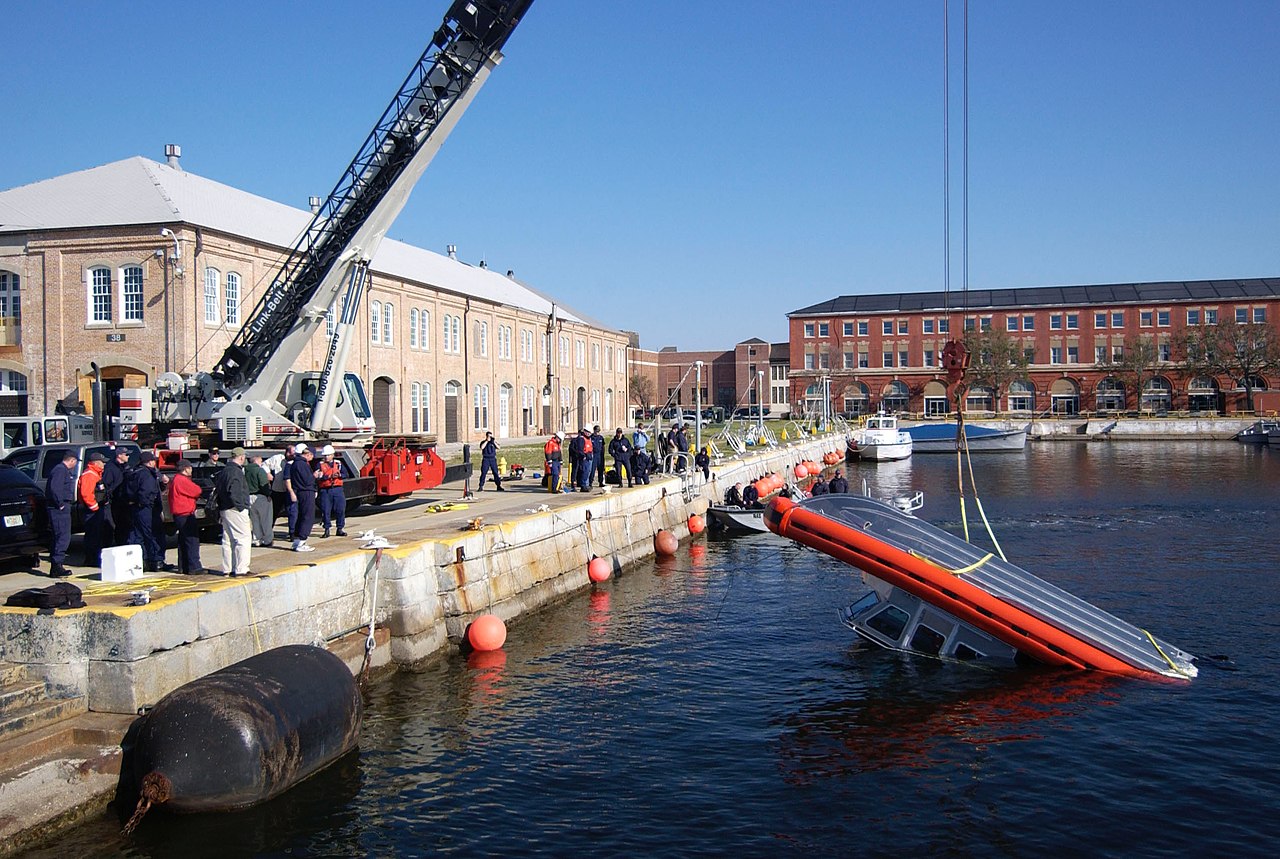
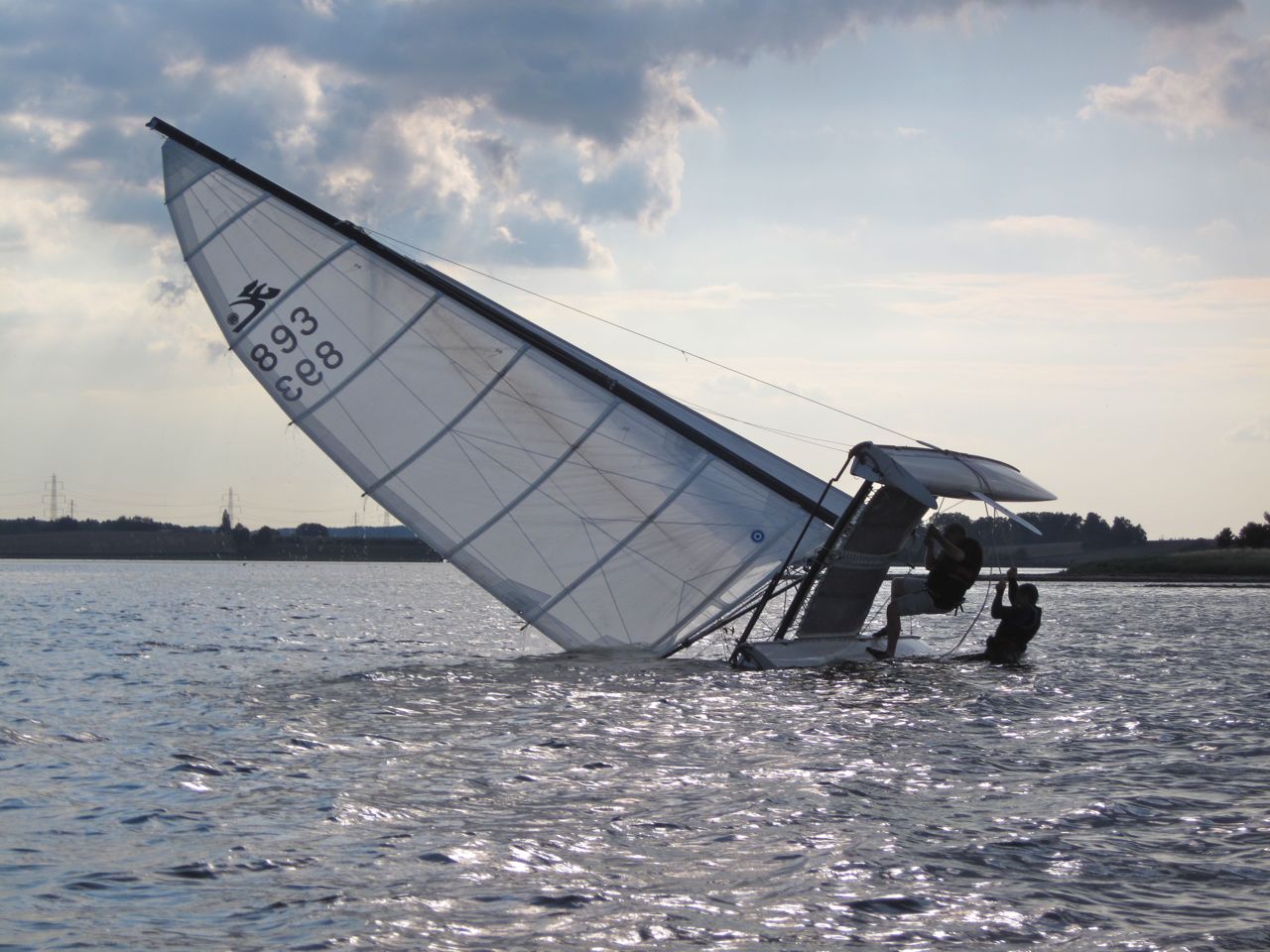
Capsize refers to the event in which a vessel overturns or is turned on its side in the water. A capsize can affect any small or large craft, from dinghies and sailboats to larger recreational and commercial vessels. The outcome ranges from a recoverable roll to a complete inversion that may require abandonment or specialized recovery operations. Capsizing commonly occurs when external forces exceed a boat's ability to remain upright, and the situation is evaluated in terms of stability and safety.
Image gallery
10 Images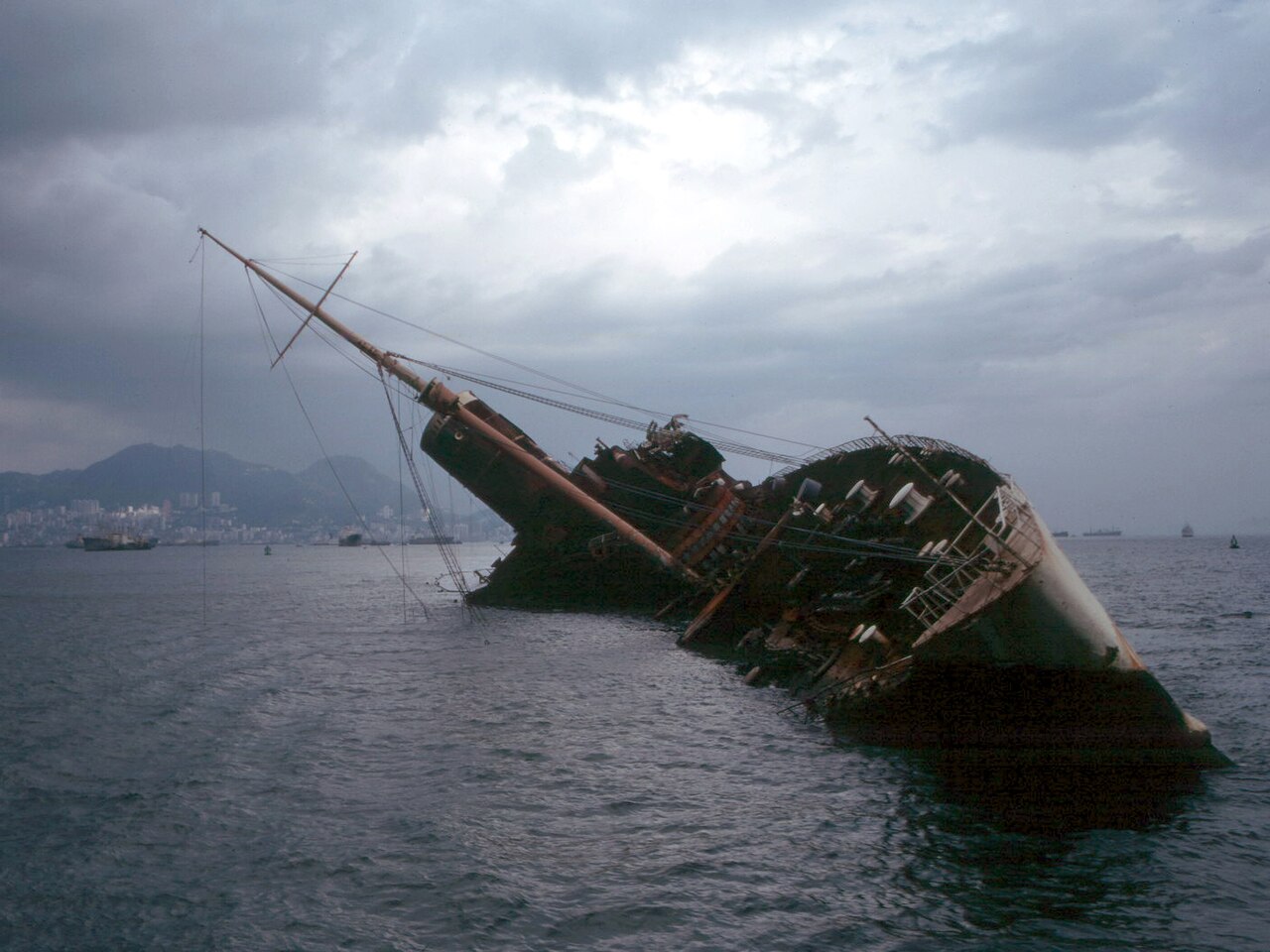




Causes and common types
Many factors can contribute to a capsize: sudden gusts of wind, large waves, shifting loads or passengers, collisions, improper loading, or steering errors. Typical forms include:
- Roll-over: gradual leaning that passes the point of no return and the boat tips onto its side.
- Pitchpole: a forward or stern-first overturn where the bow or stern plunges and the vessel rotates end over end.
- Broaching: loss of directional control in following seas causing a beam-on impact with waves and potential capsize.
Stability principles
Stability is governed by the relationship between center of gravity and buoyant forces. Designers use hull shape, ballast, beam width and reserve buoyancy to improve resistance to capsize. Movements of people or liquids inside the vessel (free surface effect) can reduce stability rapidly. Small boats and dinghies rely on crew weight shifting and buoyant structures to resist or recover from a knockdown.
Prevention and design measures
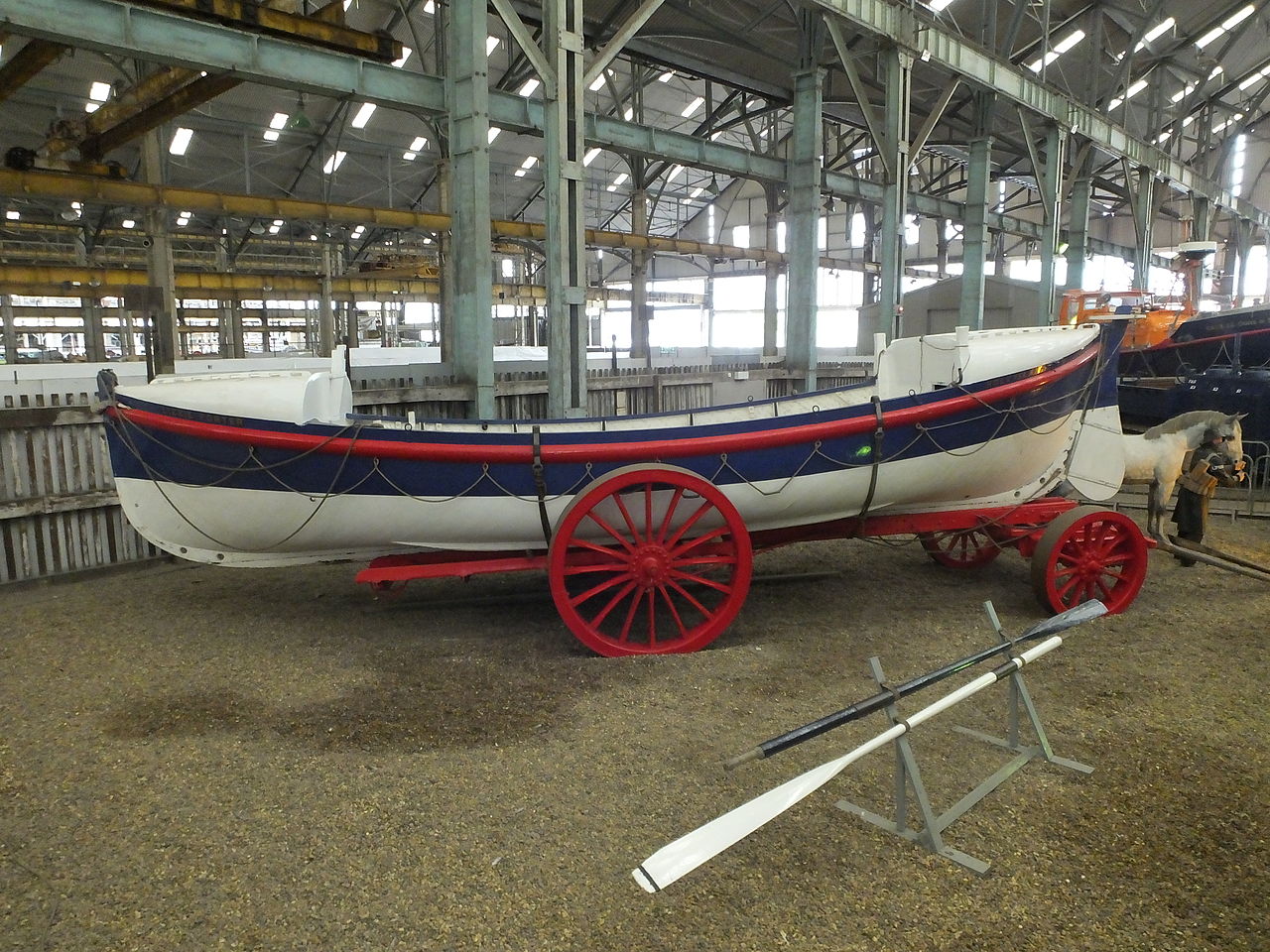
Practical prevention combines sound seamanship and design features: proper loading and securing of cargo, maintaining low center of gravity, using appropriate ballast, trimming sails to suit conditions, and avoiding dangerous sea states. Many lifeboats and rescue craft are built to be self-righting, and equipment such as bilge pumps, buoyancy compartments, and lifejackets reduce risk and harm.
Response and safety
If a capsize occurs, priorities are keeping people clear of entrapment, accounting for all persons onboard, and deploying flotation and signaling devices. For small sailboats there are standard righting techniques; for large vessels, recovery may need tugs or salvage teams. Wearing personal flotation devices and carrying communication signals can save lives. Further guidance on procedures and training is available from maritime safety authorities and instructional resources: see safety guidance for local practices.
Related articles
Author
AlegsaOnline.com Capsize: causes, types, stability, prevention and safety Leandro Alegsa
URL: https://en.alegsaonline.com/art/16797
Sources
- merriam-webster.com : "Definition of CAPSIZE"