
Hydropower: energy harnessed from moving water
Hydropower converts the kinetic and potential energy of flowing or falling water into useful mechanical or electrical energy. This article explains methods, components, history, uses, and impacts.
Overview
Hydropower is the generation of useful mechanical energy or electricity by capturing the energy of moving or falling water. It relies on the natural flow and elevation differences within a river, stream, or coastal area to convert water's kinetic and potential energy into rotor motion and, ultimately, electrical power. Modern hydropower ranges from tiny local installations for a single building to vast systems that serve entire regions.
Image gallery
10 Images




Basic components and how it works
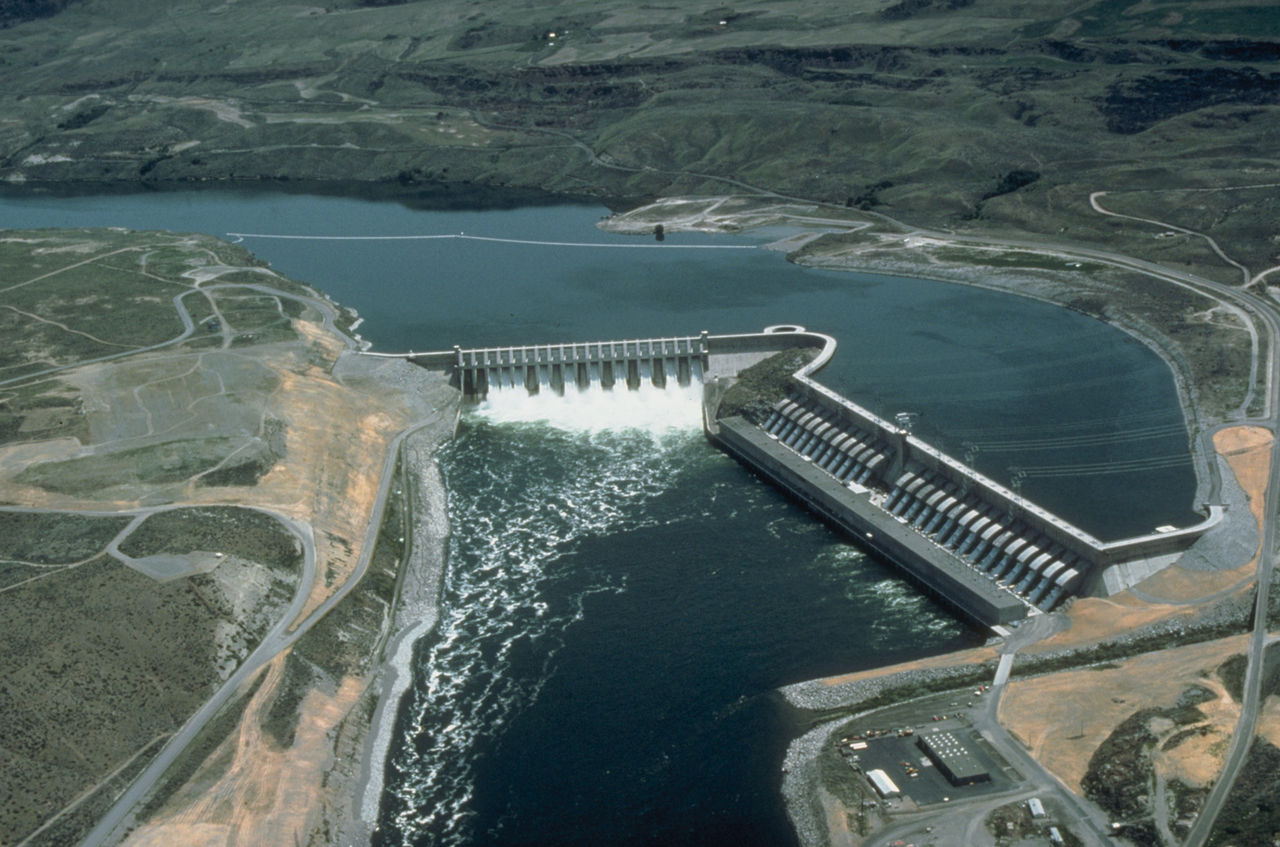
Most hydropower facilities share common elements: a water source, a way to direct water flow, a turbine that converts water motion into rotational energy, and a generator that produces electricity. Typical components include:
- Intake and control gates — regulate flow into the system.
- Penstock or channel — conveys water to the turbine.
- Turbine and generator — the moving water turns the turbine, which drives a generator.
- Tailrace — returns water to the downstream course.
Designs vary: run-of-river plants use the natural flow without large storage, while reservoir dams store water and control release. Pumped-storage plants move water uphill during low demand and release it to generate power at peak times, acting like a large battery.
Historical development
Human use of waterpower predates electricity: waterwheels turned mills, hammered ore, and powered saws. During the 19th century, hydropower supported transport and industry. For example, canal-era engineering included systems to move barge traffic and even inclined-plane railways such as inclined plane systems to bypass steep sections. Many factories and grist operations clustered near falls to exploit local drops, as seen with the mills at Saint Anthony Falls on the Mississippi River, which helped the growth of Minneapolis. In the late 19th and early 20th centuries, turbines coupled to generators enabled widespread production of electric power, extending hydropower's reach far from the watercourse.
Uses, scale, and importance
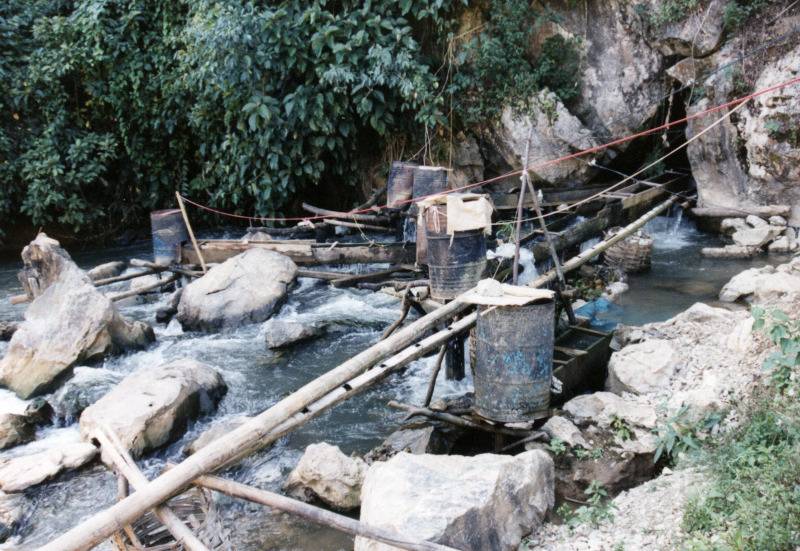
Hydropower is used for continuous base load generation, peak power management, and grid stability. Small "micro" installations can power remote communities, while large dams supply cities and industries. Its advantages include low operating costs after construction, long asset life, and the ability to store and dispatch energy quickly when reservoirs are available. Because it converts the energy of water, hydropower is a renewable source when managed sustainably and can help integrate variable renewables such as wind and solar by providing firming and storage services.
Environmental, social, and technical considerations
Despite benefits, hydropower can have significant ecological and social impacts. Large dams alter river ecosystems, affect sediment transport, and impede fish migration; mitigation measures include fish passages and managed flow regimes. Reservoirs may inundate land and require community resettlement. Modern practice emphasizes minimizing these effects through better siting, smaller run-of-river projects, improved turbine designs, and adaptive management.
Varieties and notable facts
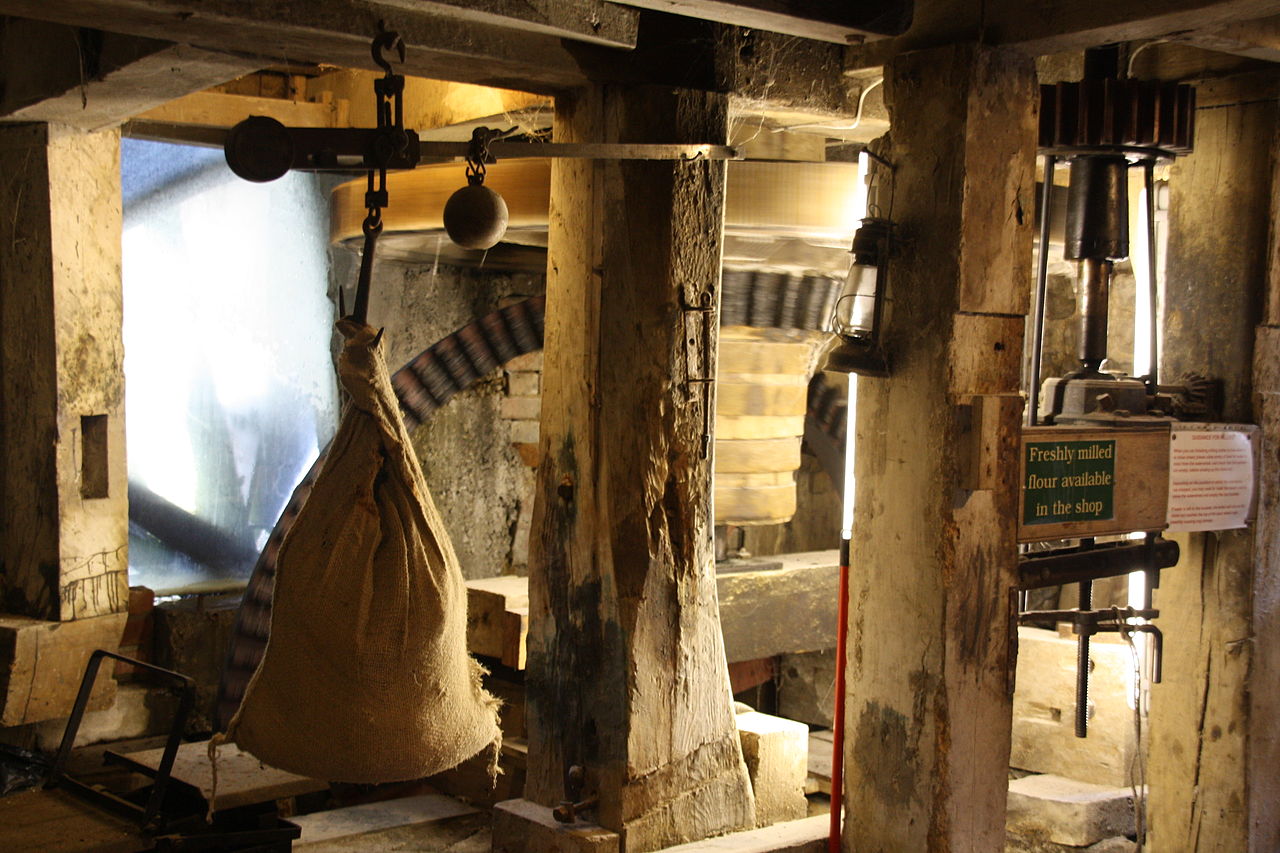
Hydropower technologies include traditional dam-reservoir systems, run-of-river plants, tidal and wave energy converters, and pumped-storage. Each has trade-offs in capacity, environmental footprint, and cost. As an energy source, it harnesses the natural power of a watercourse and has been associated historically with waterways and navigation projects such as canal systems. Small-scale examples such as historic grist mills illustrate how communities once relied on local falls and streams for mechanical power; today the main global role of hydropower is delivering low-cost electric power to broad areas while balancing the grid.
For additional context and technical details, see related resources: energy basics, water resource management, and historic studies of sites like Saint Anthony Falls.
Questions and answers
Q: What is hydropower?
A: Hydropower is the capture of the energy of moving water for some useful purpose.
Q: What was the use of hydropower in the 1830s?
A: In the 1830s, hydropower was used to transport barge traffic up and down steep hills using inclined plane railroads.
Q: What industries used hydropower for direct mechanical power transmission?
A: Industries that used hydropower for direct mechanical power transmission had to be near the waterfall.
Q: Where were many grist mills built during the last half of the 19th century?
A: During the last half of the 19th century, many grist mills were built at Saint Anthony Falls, to use the 50 foot (15 metre) drop in the Mississippi River.
Q: Why were the mills built at Saint Anthony Falls important for the growth of Minneapolis?
A: The mills were important for the growth of Minneapolis because they utilized hydropower to function, which was a low-cost form of energy highly accessible in the river.
Q: What is the largest use of hydropower today?
A: Today the largest use of hydropower is for electric power generation.
Q: What does the use of hydropower for electric power generation allow?
A: The use of hydropower for electric power generation allows low cost energy to be used at long distances from the watercourse.
Related articles
Author
AlegsaOnline.com Hydropower: energy harnessed from moving water Leandro Alegsa
URL: https://en.alegsaonline.com/art/46120
Sources
- itdg.org : Micro-hydro power
- eere.energy.gov : Microhydropower Systems