
Calcium hydroxide (slaked lime): properties, production and uses
Calcium hydroxide (Ca(OH)2), known as slaked lime or hydrated lime, is a white alkaline compound used in construction, water and wastewater treatment, agriculture, and some food processes.
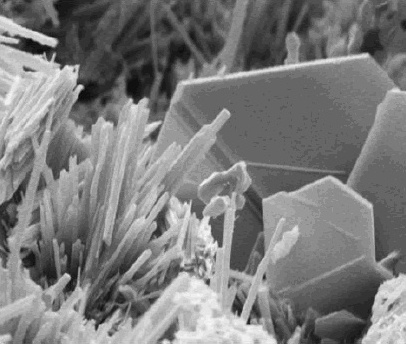
Calcium hydroxide is an inorganic compound with the formula Ca(OH)2. It appears as a white powder or a colorless crystal and is only sparingly soluble in water. A saturated aqueous suspension of calcium hydroxide is called limewater; it is strongly alkaline and commonly has a pH above 12, making the material useful where a mild, inexpensive base is required. The solid is often labeled as slaked lime or hydrated lime in commercial contexts.
Image gallery
4 Images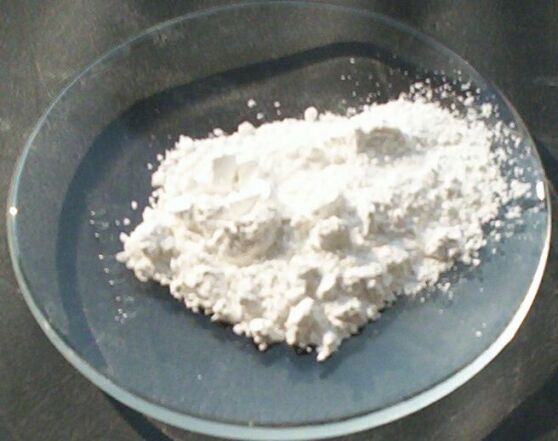


Characteristics and chemical behavior
As a base, calcium hydroxide reacts with acids to form the corresponding calcium salts and water. It slowly absorbs carbon dioxide from the air to yield calcium carbonate, a process known as carbonation, which is important in setting mortars and plasters. On heating, calcium hydroxide decomposes to calcium oxide and releases water: Ca(OH)2 → CaO + H2O. Because it dissolves only slightly, its saturated solutions are used when a controlled, long-lasting alkalinity is needed.
Production and historical context
Commercially and historically, calcium hydroxide is made by hydrating quicklime (calcium oxide). The reaction—often called slaking—is CaO + H2O → Ca(OH)2. Quicklime itself is produced by heating limestone (calcium carbonate) to drive off carbon dioxide. Hydrated lime has been used since antiquity; Romans and other ancient builders employed lime in mortars and plasters, and many traditional whitewashes are based on slaked lime that slowly carbonates to form a durable surface.
Major uses and examples
- Construction: ingredient in mortars, plasters, and limewash; aids workability and gradual hardening through carbonation.
- Water and wastewater treatment: raises pH, precipitates metals and phosphates, and softens water.
- Agriculture: used to neutralize acidic soils and supply calcium to crops.
- Food and traditional processing: used in nixtamalization of maize and in some pickling operations when applied correctly.
- Industrial: used in sugar refining, flue-gas desulfurization, and as a chemical feedstock.
Safety, handling and distinctions
Calcium hydroxide is a caustic substance that can irritate skin and eyes; dust control and protective equipment are recommended when handling the powdered material. It differs from calcium carbonate (limestone) and from quicklime (calcium oxide) by chemical composition and behavior: quicklime reacts vigorously with water to form hydrated lime, while carbonate will not slake. For more on its role as a base and practical guidance, see background on basic chemistry and industrial hydration processes via basic chemistry resources and descriptions of the hydration of quicklime and properties of calcium oxide.
Because of its low cost and long history of use, calcium hydroxide remains a widely applied, adaptable chemical in construction, environmental management, agriculture and select food traditions.
Related articles
Author
AlegsaOnline.com Calcium hydroxide (slaked lime): properties, production and uses Leandro Alegsa
URL: https://en.alegsaonline.com/art/16040