
Hydrochloric acid (HCl) — properties, production, uses, and safety
Hydrochloric acid is an aqueous solution of hydrogen chloride used widely in industry and biology. This article explains its composition, production, common uses, biological role and safety considerations.
Hydrochloric acid is a clear, strongly acidic solution widely used in manufacturing, laboratory work and found naturally in animal stomachs. For a concise introduction see overview sources. In everyday language it has also been called muriatic acid. The name and behaviour of the chemical stem from its principal dissolved component, hydrogen chloride gas.
Image gallery
5 Images

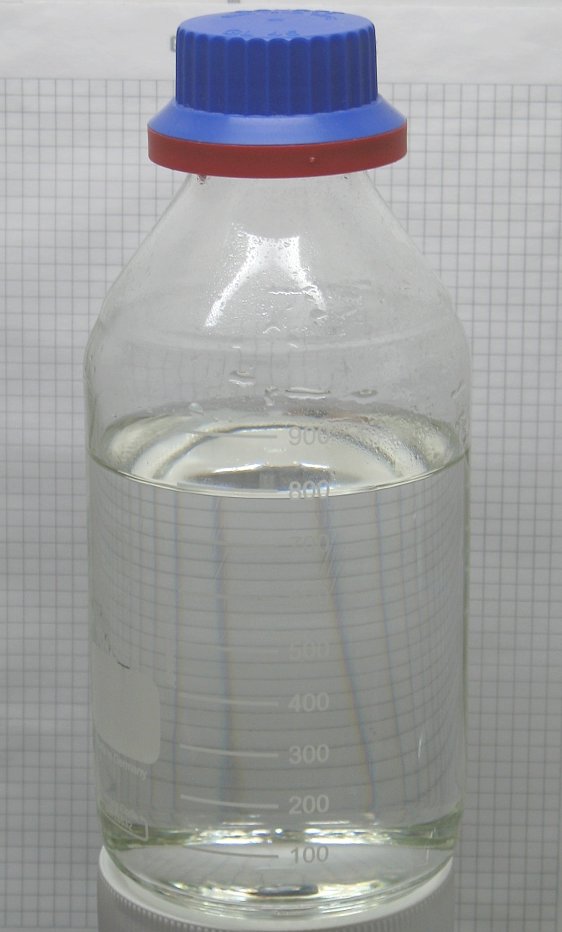


Composition and basic properties
Chemically, hydrochloric acid is a solution of hydrogen chloride. The dissolved species derives from the diatomic molecule H–Cl, which exists as a gas under ordinary conditions (hydrogen chloride gas) and becomes acidic when dissolved in water. The resulting solution donates protons (H+) readily, making it a strong acid that reacts with many substances, including metals, carbonates and bases.
History, names and chemical behaviour
Historically called muriatic acid, hydrochloric acid has been known and used for centuries. In biological systems, specialized cells in the stomach secrete an acid mixture whose high acidity helps digest proteins and activate digestive enzymes. Chemically it behaves as a strong acid: it neutralizes bases to form salts, often simple chlorides, and it can corrode metals by releasing hydrogen gas.
Production and industrial uses
There are two common routes to industrial hydrochloric acid: capture of hydrogen chloride produced by chemical processes and direct synthesis from hydrogen and chlorine. Major applications include:
- Steel pickling and metal cleaning to remove scale and rust.
- Production of organic and inorganic chlorides and intermediates, including polyvinyl chloride (PVC).
- pH control in water treatment, food processing and chemical manufacturing.
- Laboratory reagent and household products for heavy-duty cleaning.
Safety, handling and notable facts
Hydrochloric acid is corrosive: concentrated solutions can cause severe burns to skin and eyes, and vapors irritate the respiratory tract. Safe handling requires appropriate personal protective equipment, adequate ventilation and neutralization plans for spills. Dilute acids are ubiquitous in everyday products and industrial processes, while the concentrated material is typically restricted to professional use.
Despite its hazards, hydrochloric acid is valued for its simplicity, reactivity and role in both industrial chemistry and physiology. For further technical details and material data consult specialized resources or standards referenced by manufacturers and regulatory bodies: industry overview, chemical data, and safety guidance from regulatory sources at reference A and reference B.
Additional background and experiments, including reactions with metals, neutralization with bases and safe disposal methods, are discussed in technical handbooks and educational materials: see educational page, laboratory guide, industrial practices, and practical safety notes at source 8, source 9, source 10, source 11 and source 12.
Questions and answers
Q: What is hydrochloric acid?
A: Hydrochloric acid is a chemical compound that is a solution of hydrogen chloride (HCl) gas dissolved in water.
Q: What is another name for hydrochloric acid?
A: In the past, hydrochloric acid was called muriatic acid.
Q: What is the use of hydrochloric acid?
A: Hydrochloric acid is widely used in various industries.
Q: How is hydrochloric acid made?
A: Hydrochloric acid is made by dissolving hydrogen chloride (HCl) gas in water.
Q: What happens when hydrochloric acid reacts with bases?
A: When hydrochloric acid reacts with bases, it produces salts called chlorides.
Q: Is hydrochloric acid an acid or a base?
A: Hydrochloric acid is an acid.
Q: Is hydrochloric acid present in the stomach?
A: Yes, hydrochloric acid is present in the stomach where it helps in digesting food.
Related articles
Author
AlegsaOnline.com Hydrochloric acid (HCl) — properties, production, uses, and safety Leandro Alegsa
URL: https://en.alegsaonline.com/art/46085
Sources
- scorecard.org : "HCl score card"