
Calcium nitride (Ca3N2): properties, preparation and uses
Calcium nitride (Ca3N2) is an ionic inorganic compound composed of calcium cations and nitride anions; it is formed by reaction of calcium with nitrogen and hydrolyses to give ammonia.
Calcium nitride is an inorganic salt with the formula Ca3N2. It is composed of calcium cations and nitride anions and is typically encountered as a solid that must be handled under dry conditions. For concise chemical data and standard identifiers see chemical data.
Image gallery
1 Image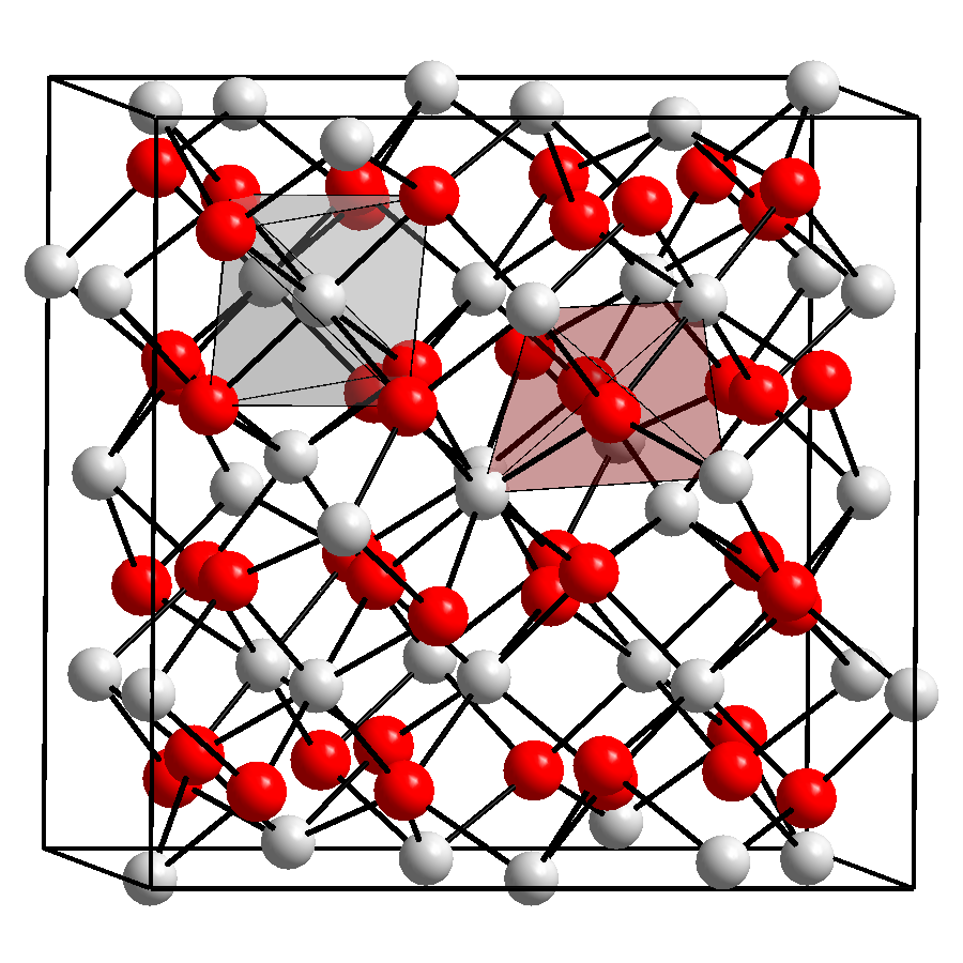
Basic characteristics
Ca3N2 is generally described as an ionic material in which the nitride ion (N3−) is strongly basic. The substance is reactive toward protic solvents: on contact with water it is hydrolysed, producing calcium hydroxide and ammonia. The balanced hydrolysis equation is commonly written as Ca3N2 + 6 H2O → 3 Ca(OH)2 + 2 NH3. Information about the constituent elements is available at calcium and nitride.
Structure and forms
Calcium nitride can exist in more than one crystalline form (polymorph). Its crystal chemistry reflects the large size and +2 charge of calcium and the small, highly charged nitride anion; this leads to compact, high‑coordination solids. Physical appearance and precise lattice arrangement vary with preparation conditions and temperature.
Preparation and reactions
One straightforward laboratory route to Ca3N2 is the direct combination of elemental calcium with dinitrogen gas at elevated temperature: 3 Ca + N2 → Ca3N2. Beyond hydrolysis, Ca3N2 can act as a nitrogen source in inorganic synthesis and may react with acids to yield ammonia and corresponding calcium salts.
Uses, importance and precautions
Calcium nitride is used mainly as a reagent in research and in processes that require a source of nitride or nitrogen for further synthesis. It must be stored and handled under dry inert atmosphere because moisture contact releases ammonia and caustic hydroxide. For practical handling and safety guidance consult further reading.
- Typical hazards: reacts with water, releases ammonia, strongly basic.
- Applications: precursor in nitride chemistry, research reagent, nitriding agent.
- Distinctions: nitride (N3−) differs chemically from nitrate, azide and molecular nitrogen.
Related articles
Author
AlegsaOnline.com Calcium nitride (Ca3N2): properties, preparation and uses Leandro Alegsa
URL: https://en.alegsaonline.com/art/16042