
Bushfood (bush tucker): traditional Australian native foods and their uses
Bushfood, or bush tucker, refers to foods native to Australia traditionally used by Indigenous peoples — plants, animals and insects — now part of cuisine, commerce and cultural practice.
Bushfood (often called bush tucker) denotes the array of edible plants, animals and insects native to Australia that were and remain central to the diets and cultures of Australian Aborigines and Torres Strait Islander peoples. These foods are noted for their varied nutrient profiles and often resilient ecology; many are described as nutritious sources of protein, fats, carbohydrates and micronutrients adapted to local environments.
Image gallery
9 Images


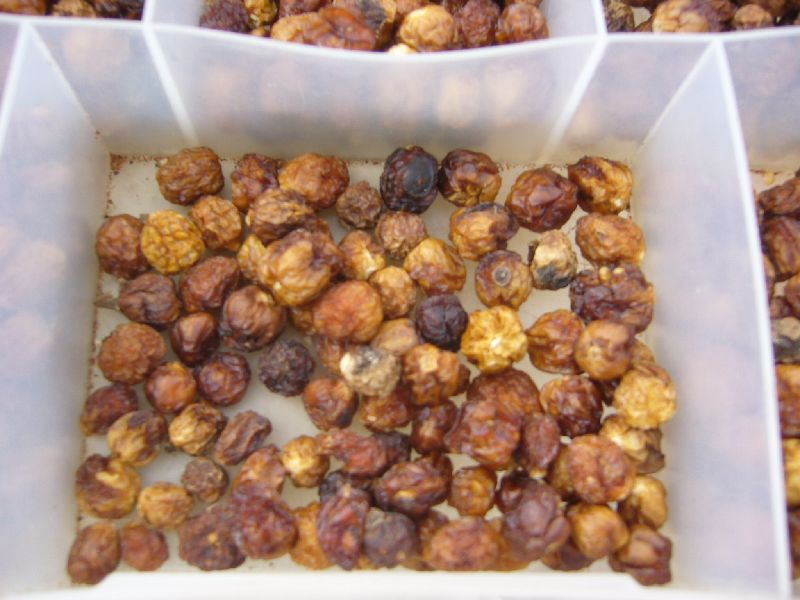

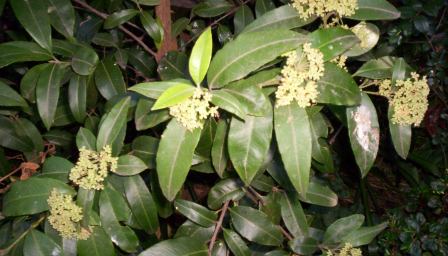
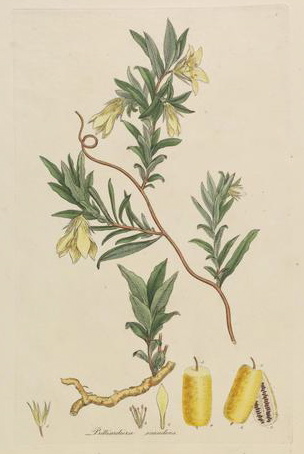
Characteristics and categories
Bushfood covers several broad categories: native mammals, birds and reptiles consumed for meat; insects and larvae eaten as protein-rich items; and a wide range of plants including nuts, seeds, fruits, berries, leaves and roots used fresh, dried or processed. Many species have strong, distinctive flavours and aromatic compounds that differ markedly from introduced foods, making them both culturally meaningful and gastronomically distinctive.
Common examples
- Kangaroo — lean red meat valued for low fat and distinctive taste.
- Emu — large bird whose meat and oil have been used traditionally.
- Crocodile — consumed in some regions for its white meat.
- Lizards and grubs — sources of protein in many Indigenous diets.
- Native plant foods such as the macadamia nut, native fruits, berries, wattle seed, lemon myrtle, quandong and finger lime.
History and cultural context
For tens of thousands of years, Indigenous Australians developed deep ecological knowledge about seasonal availability, safe preparation and the cultural roles of bushfoods. Food gathering and preparation were embedded in ceremony, law and community relationships, and knowledge was transmitted orally across generations. The arrival of European settlers disrupted many aspects of these systems: access to traditional lands, hunting and gathering practices and language continuity were affected, which in turn altered how some bushfoods were used and shared.
Modern uses, cuisine and commerce
Since the late 20th century there has been growing interest in bushfood ingredients among chefs, food manufacturers and consumers. Many native foods now appear in contemporary Australian cuisine and are sold through conventional channels such as supermarkets and featured in restaurants, while others remain niche artisanal products. Some native species, like the macadamia nut, have been widely farmed and exported; others are harvested sustainably on a smaller scale or cultivated by Indigenous enterprises.
Ethics, sustainability and legal issues
Harvesting native species raises questions about conservation, sustainable use and benefit sharing. Several plants and animals are protected or subject to regulation; commercial use often requires permits and adherence to biosecurity rules. There is also ongoing discussion about recognition of Indigenous knowledge, appropriate credit and economic opportunities for traditional custodians. Responsible foraging follows local laws, respects seasonal limits and acknowledges cultural protocols.
Notable: bushfood is both a living tradition and a growing part of Australia’s food identity, bridging Indigenous cultural knowledge and contemporary culinary innovation while raising important conversations about stewardship, equity and sustainable practice.
Related articles
Author
AlegsaOnline.com Bushfood (bush tucker): traditional Australian native foods and their uses Leandro Alegsa
URL: https://en.alegsaonline.com/art/15592