
Café: coffeehouse, culture, menu, history and regional variations
Comprehensive overview of cafés: their purpose, typical offerings, social role, historical origins, regional differences and legal distinctions, plus examples of common menu items and activities.
Overview
A café is a small eating and drinking establishment centered on the preparation and service of coffee, tea and other beverages, often accompanied by light food. Cafés prioritize a relaxed atmosphere for brief visits or extended stays, offering seating arrangements for individuals and small groups. They range from tiny neighborhood shops to large urban venues and international chains, and they frequently blend retail coffee sales, takeaway service and in‑store consumption.
Image gallery
10 Images


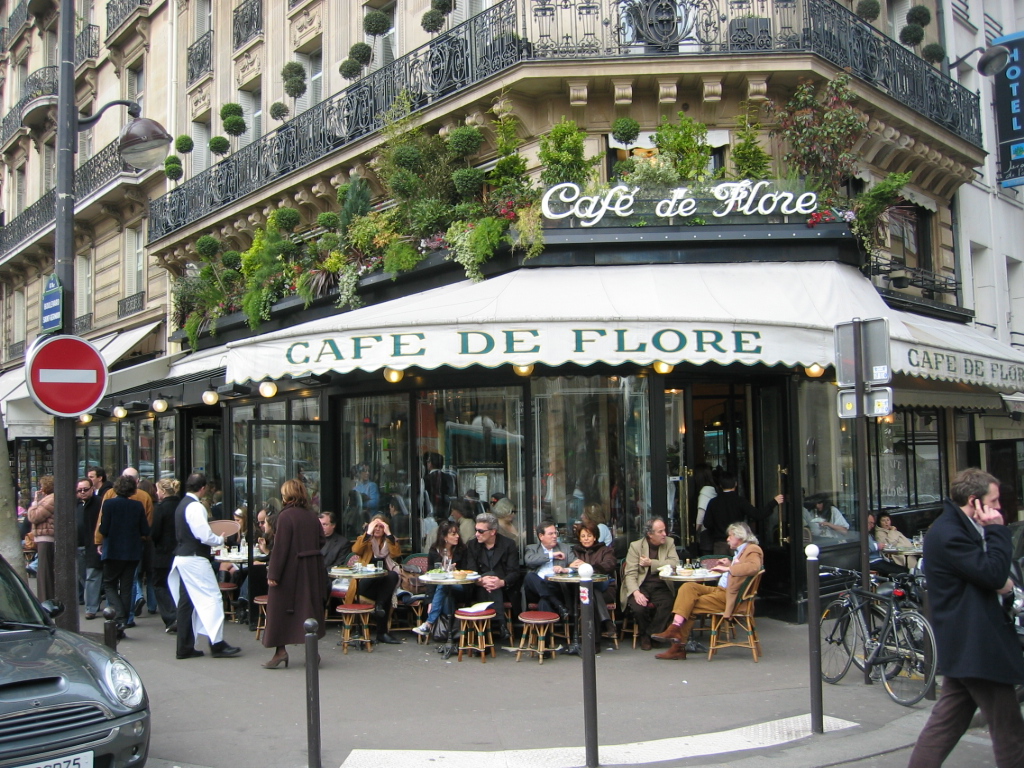


Characteristics and typical offerings
Most cafés share a number of defining features: a counter where orders are placed, a selection of hot and cold drinks, pastries and simple savory items, and seating designed for conversation or solitary activities like reading. Staff skilled in espresso preparation—commonly called baristas—are central to the service model in many modern cafés. Typical menu items include:
- Espresso-based drinks (espresso, cappuccino, latte, americano)
- Filtered and brewed coffees, iced coffees and cold brews
- Loose-leaf and bagged teas, herbal infusions and specialty tea drinks
- Pastries, cakes, cookies and baked goods
- Simple sandwiches, salads and small hot plates
- Non-dairy and specialty milk options, and seasonal beverage variations
History and development
The café concept evolved over centuries. Early coffeehouses emerged in the Middle East and later spread to Europe in the 17th century, where they became places for news exchange, business discussion and intellectual debate. Over time cafés adapted to local customs: in some places they became centers of literary and political life, while in others they focused on casual dining or takeout. The last decades have seen a diversification of models—from artisanal third‑wave coffee shops that emphasize origin and brewing technique to cafés that double as bakeries, cultural venues or community spaces.
Social role and contemporary uses
Cafés function as social hubs with multiple uses: casual meetings, remote work, studying, dates and community events such as music, readings or board-game nights. The sociologist Ray Oldenburg’s idea of the "third place"—a neutral, informal public gathering space outside home and work—often describes the role cafés fill in urban life. Many cafés offer free Wi‑Fi, power outlets and varied seating to accommodate both brief stopovers and longer stays, and they may host markets, art displays or educational events.
Regional variations, legal distinctions and notable facts
Terminology and legal status differ by country. The word "café" is shared across several languages, while related terms include coffeehouse, coffee shop and tea room. In some jurisdictions cafés hold licences to sell alcoholic beverages and serve full meals, making them more restaurant‑like; in others, especially where pub culture dominates, cafés emphasize nonalcoholic service. Cafés are distinct from cafeterias (self-service, tray lines) and from bars (alcohol-focused venues) primarily by their emphasis on coffee, daytime operations and casual seating.
Examples and further reading: definition and services, beverage types, menu examples, etymology, social functions, cultural history, terminology, regional terms, legal differences, alcohol licensing
Related articles
Author
AlegsaOnline.com Café: coffeehouse, culture, menu, history and regional variations Leandro Alegsa
URL: https://en.alegsaonline.com/art/15958