
Butter cake: ingredients, methods, history and uses
Butter cake is a family of cakes that use butter as a primary fat; learn its ingredients, mixing methods, history, common varieties, storage and practical baking tips.
Butter cake describes a broad category of cakes in which butter is a principal fat and flavoring component. These cakes range from dense loaves to light layer cakes, but they share common building blocks: butter, sugar, flour and eggs, usually combined with a chemical leavening agent. The style emphasizes a tender crumb and rich mouthfeel that come from the fat coating flour proteins and from well-emulsified eggs.
Image gallery
4 Images

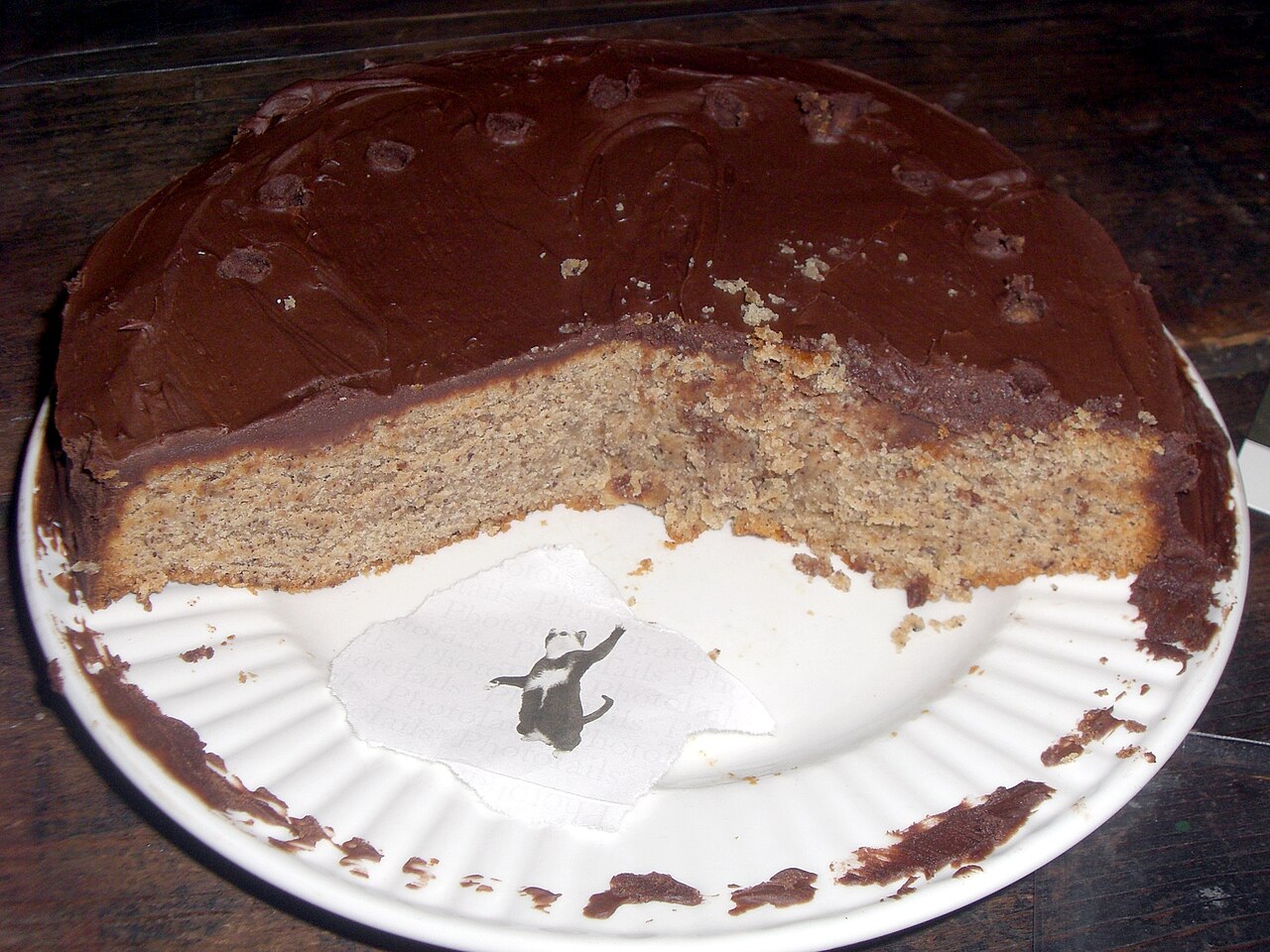

Core ingredients and their roles
A typical butter cake formula relies on a few key elements. Butter contributes flavor, moisture and structure; sugar sweetens and helps tenderize; flour provides the bulk and gluten network; eggs add lift, color and emulsion; and a leavening agent produces gas to make the crumb light. Common additions include milk or cream for hydration, salt for balance, and extracts or zest for aroma.
- Butter — the defining fat that imparts richness; see butter.
- Flour — usually all-purpose or cake flour; see flour.
- Sugar — granulated sugar is most common; see sugar.
- Eggs — whole eggs provide structure and leavening; see eggs.
- Leavening — baking powder or a related chemical leavening; see baking powder.
Mixing methods and techniques
The classic approach for butter cakes is the creaming method: beat softened butter with sugar until light and fluffy, then add eggs and alternately fold in dry and liquid ingredients. Creaming traps air in the fat, which expands in the oven and helps rise. A reverse-creaming method is also used by some bakers to produce a finer crumb and reduced doming by coating flour with fat before adding liquids.
History and development
Early recipes that resemble modern butter cakes include the traditional pound cake, once made with equal parts butter, flour, sugar and eggs to produce a dense, long-lasting loaf. The nineteenth-century introduction of reliable chemical leavening transformed these recipes by allowing lighter, more tender cakes without the heavy proportions of older formulas. Over time, bakers adapted butter cakes into layer cakes, sheet cakes, cupcakes and loaf cakes.
Variations, uses and distinctions
Butter cakes appear in many regional and commercial forms: classic pound cake, American yellow cake, Victoria sponge and countless flavored variations (vanilla, chocolate, citrus, almond). They differ from sponge or genoise cakes, which rely primarily on whipped eggs for lift and contain little or no added fat. Butter cakes are versatile—suitable for frosting, glazing, slicing for layers, or serving plain.
Practical tips, storage and notable facts
For best results, use butter at room temperature so it creams properly; bring eggs to room temperature as well. Measure ingredients accurately, avoid overmixing once flour is added to reduce gluten development, and preheat the oven for consistent rise. After baking, most butter cakes keep well at room temperature for a day or two when wrapped; refrigeration accelerates drying and can dull flavor, so bring chilled cake back to room temperature before serving. For more general background, see butter cake overview and guidance on keeping cakes at room temperature.
For recipe ideas or technical articles on ingredient behavior and method alternatives, consult practical resources and baking textbooks or online guides: sugar handling, types of flour, and techniques tied to egg incorporation and leaveners can deepen understanding. Whether for everyday use or celebratory occasions, butter cakes remain a cornerstone of home and professional baking.
Tags
Related articles
Author
AlegsaOnline.com Butter cake: ingredients, methods, history and uses Leandro Alegsa
URL: https://en.alegsaonline.com/art/15680