
Supermarket (grocery store)
A supermarket is a large self‑service retail store that sells food and household goods. This article explains its layout, products, operators, supply chain, history, services and distinctions from other food retailers.
Overview
A supermarket is a type of retail store designed for self-service sale of food and household goods. Supermarkets generally offer a wide assortment of packaged and fresh items intended for weekly or bulk shopping rather than immediate consumption. Many combine perishables, packaged foods and nonfood household products under one roof to serve local neighborhoods and larger communities.
Image gallery
10 Images




Common departments and products
Typical supermarket sections include fresh produce, bakery, deli, frozen foods, and aisles of packaged goods. Many stores also sell dairy, canned goods, cleaning supplies and prepared meals. Fresh items commonly found are fruits and vegetables, while coastal or larger stores often stock seafood and a variety of meat. Supermarkets may also carry nonfood services such as pharmacies, banking kiosks, or fuel stations.
- Produce: fresh fruits and vegetables
- Deli and bakery: prepared foods and breads
- Frozen and chilled: long‑life and convenience items
- Pantry aisles: canned, dry and packaged goods
Operators and supply chain
The operator of a supermarket is commonly called a grocer. Grocers source goods from wholesalers, manufacturers and directly from farmers or food producers. Maintaining cold chains, controlling inventory and coordinating deliveries are central to keeping perishables safe and shelves stocked.
History and development
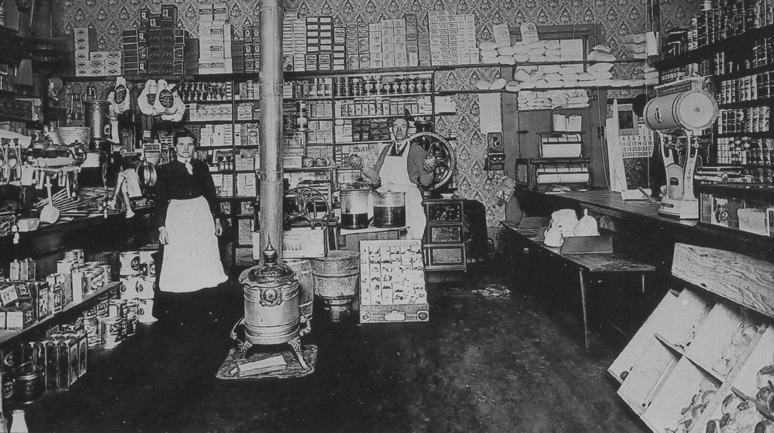
The modern supermarket developed from earlier small shops and market stalls into larger, self‑service stores in the early 20th century. Innovations such as self‑service layouts, barcodes, centralized distribution and later computerized inventory systems shaped the sector. In recent decades online ordering, home delivery and curbside pickup became common extensions of supermarket services.
Roles, services and distinctions
Supermarkets play a key role in food access and local economies. They differ from convenience stores and specialty grocers by scale and product breadth, and from hypermarkets by their focus on grocery rather than general merchandise. Technology such as self‑checkout and loyalty programs, plus initiatives in waste reduction and sustainable sourcing, are increasingly prominent.
For further reading on retail types and grocery topics see resources on store formats, food safety and supply chains: food retail basics, operations and market trends at industry overview, and supplier relations at producer networks. Additional references explore fresh sourcing at produce and handling standards for seafood and meat.
Related articles
Author
AlegsaOnline.com Supermarket (grocery store) Leandro Alegsa
URL: https://en.alegsaonline.com/art/95067