
Brigham Young University (BYU): overview, academics, campus life, and athletics
Comprehensive overview of Brigham Young University (BYU): history, organization, academic programs, student life including the Honor Code, athletics, campuses, and notable distinctions.
Overview
Brigham Young University (commonly BYU) is a private research university in Provo, Utah. It is named for Brigham Young, an early leader of the Latter-day Saint movement, and is owned and operated by The Church of Jesus Christ of Latter-day Saints. BYU identifies as a university with a strong focus on undergraduate education while also offering graduate and professional programs. Its student life, admissions policies and campus culture reflect the religious affiliation and mission of the sponsoring church.
Image gallery
10 Images


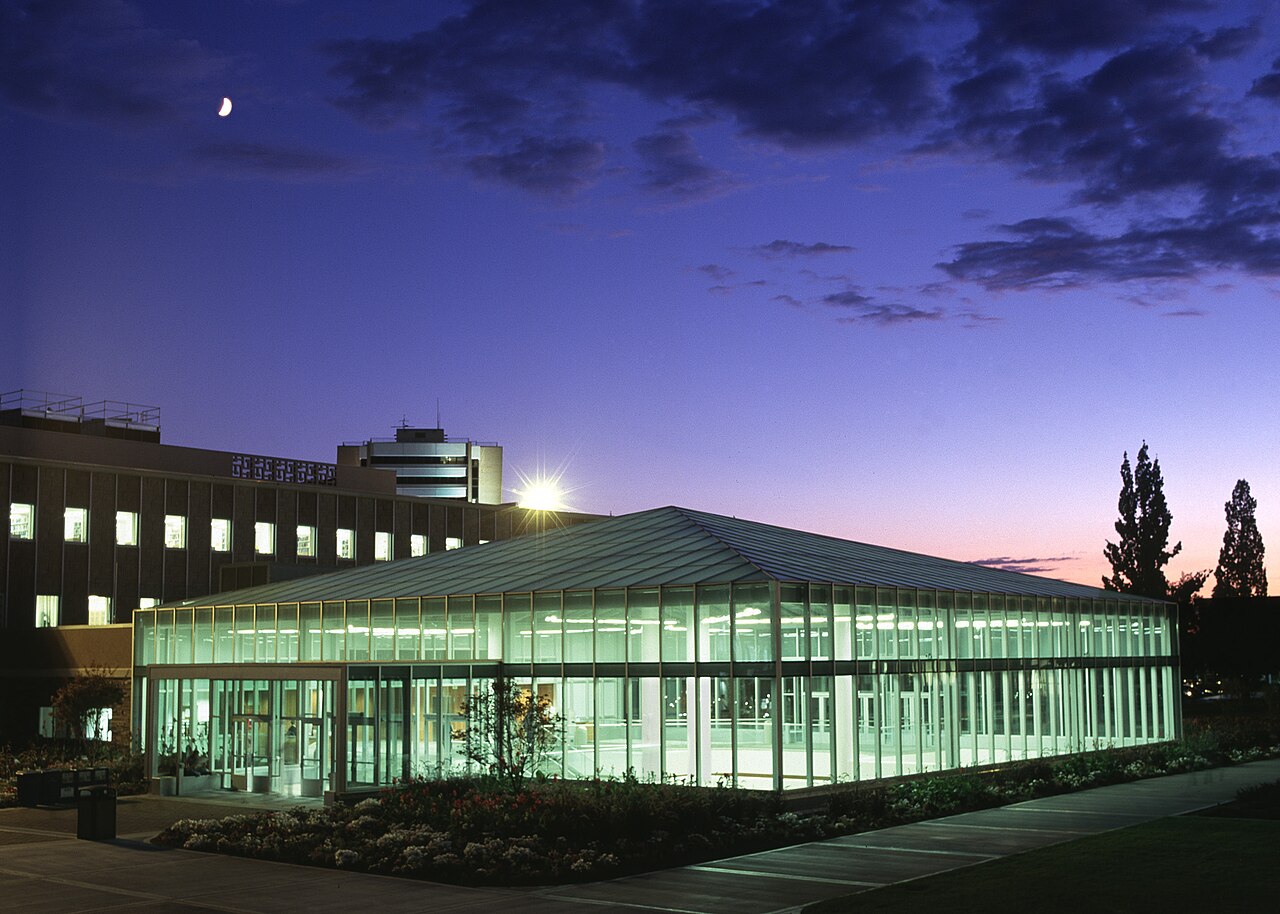


Organization and mission
BYU functions as part of the Church Educational System and is overseen by church authorities. The institution combines traditional academic departments with programs that emphasize values associated with its sponsoring faith. As a private institution, BYU sets its own admissions standards and student expectations, including an institutional code of conduct. The university has both a main campus and additional instructional centers that extend its mission beyond Provo.
Academics and structure
The university is organized into multiple colleges and schools offering liberal arts, engineering, management, health professions, agriculture, physical and mathematical sciences, and professional degrees in fields such as law and nursing. BYU offers a broad undergraduate curriculum alongside master’s and doctoral programs; its academic units include disciplines from the humanities and social sciences to technical and applied fields. Students may choose among many majors and minors, with curricular options intended to combine academic learning and ethical formation.
Campus life and the Honor Code
Student life at BYU is shaped by a published Honor Code that addresses academic honesty, dress and grooming standards, restrictions on alcohol and illicit drugs, and expectations regarding sexual behavior. The Honor Code influences daily life and residence policies, and it is a defining feature for applicants and enrollees. A significant portion of students pause their studies to undertake missionary service for the sponsoring church, which has a visible impact on campus demographics and rhythms.
Athletics, colors and traditions
BYU fields NCAA Division I teams known as the Cougars. The school’s colors are royal blue and white and the athletic mascot is the cougar. Historically BYU has competed in several conferences and national tournaments across a range of sports. The football program has a high profile and has competed as an independent in recent years; other teams have participated in conferences such as the West Coast Conference. The university reports national titles in various sports and routinely attracts regional and national attention for its athletic programs.
History and development
The institution traces its origins to church-run academies and has developed into a comprehensive university through the 20th and 21st centuries. Its growth has been shaped by church sponsorship, regional demand for higher education, and investments in faculty, research and facilities. The Church Educational System also operates related campuses and programs that share faculty resources, curricula and administrative frameworks.
Notable features and distinctions
- Strong emphasis on undergraduate education combined with a range of graduate programs.
- Institutional Honor Code that guides student conduct and campus expectations.
- Significant numbers of students who serve religious missions, affecting enrollment patterns.
- Integration of faith-based mission with conventional academic disciplines and research.
Further resources
For institutional profiles, historical summaries, academic catalogs and athletic information, see the following resources:
- BYU general information
- Institutional profile
- Namesake and historical leader
- Provo and campus location
- Mascot information
- Athletic rivalries
- Private university classification
- Research activities and centers
- Sponsoring church
- Missionary service and student experience
- Liberal arts and humanities
- Engineering programs
- Agricultural studies
- Business and management
- Physical sciences
- Mathematical sciences
- Science and research initiatives
- Law and professional programs
- Satellite campus in Jerusalem
- BYU–Hawaii and related campuses
- Undergraduate education focus
- Master’s degree offerings
- Doctoral programs
- NCAA Division I affiliation
- National collegiate athletics
- Conference affiliations
- Championships and honors
- Recent conference realignments
These sections summarize the university’s main aspects—organization, academics, student life, athletics and history—so readers can understand BYU’s role as a faith‑sponsored research university with a distinctive campus culture. For specific policies, program details and the latest institutional statistics consult the university’s official publications and catalogues at the links above.
Related articles
Author
AlegsaOnline.com Brigham Young University (BYU): overview, academics, campus life, and athletics Leandro Alegsa
URL: https://en.alegsaonline.com/art/14124
Sources
- commons.wikimedia.org : Brigham Young University
- brand.byu.edu : "Color - Brand"
- byucougars.com : "Cosmo | The Official Site of BYU Athletics"
- deseretnews.com : "Brad Rock: Heated Utah and BYU rivalry started with a brawl in 1895"
- news.byu.edu : "Y Facts"
- yfacts.byu.edu : "Y Facts - Demographics" · web.archive.org
- besmart.com : "Honor Code"
- accredit.byu.edu : "Brigham Young University Reaffirmation of Accreditation 2006 Executive Summary"
- news.byu.edu : "Wave of returning missionaries brings BYU enrollment back up"
- nces.ed.gov : "Chapter 3: Postsecondary Education"
- yfacts.byu.edu : "Tuition" · web.archive.org · web.archive.org