
National Collegiate Athletic Association (NCAA)
The NCAA is the primary U.S. organization that governs intercollegiate athletics, organizes championships across divisions, and establishes eligibility and competition rules since 1906.
The National Collegiate Athletic Association (NCAA) is the main college sports organization in the United States, founded on March 31, 1906 and headquartered in Indianapolis, Indiana. It exists to administer rules, organize championship events, and coordinate intercollegiate athletics policy among its members. Over time the NCAA has grown into a complex body that shapes competitive schedules, eligibility standards, and national tournaments.
Image gallery
7 Images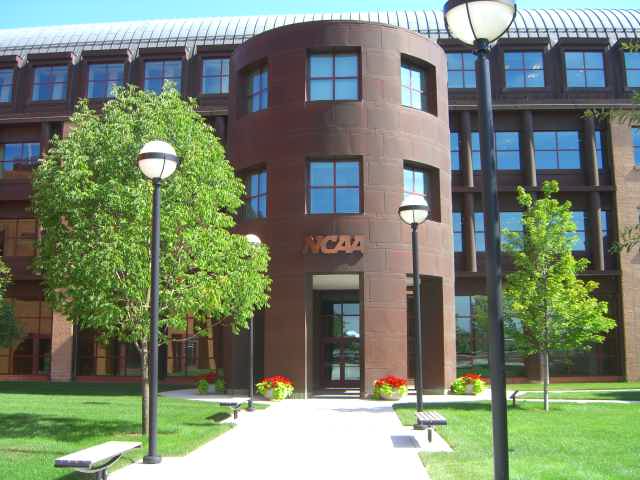



Structure and divisions
The NCAA groups member institutions into three primary divisions—Division I, Division II and Division III—based largely on size, athletic emphasis and the level of financial support offered to teams. Division I schools typically operate larger athletic programs and attract more media attention. They often maintain larger budgets and more elaborate facilities, and differ most visibly from lower divisions in their approach to intercollegiate competition. Division II mixes competitive athletics with a broader emphasis on regional competition and balance, while Division III prioritizes integration of athletics with the wider educational mission and does not offer athletics-based financial aid.
Championships and events
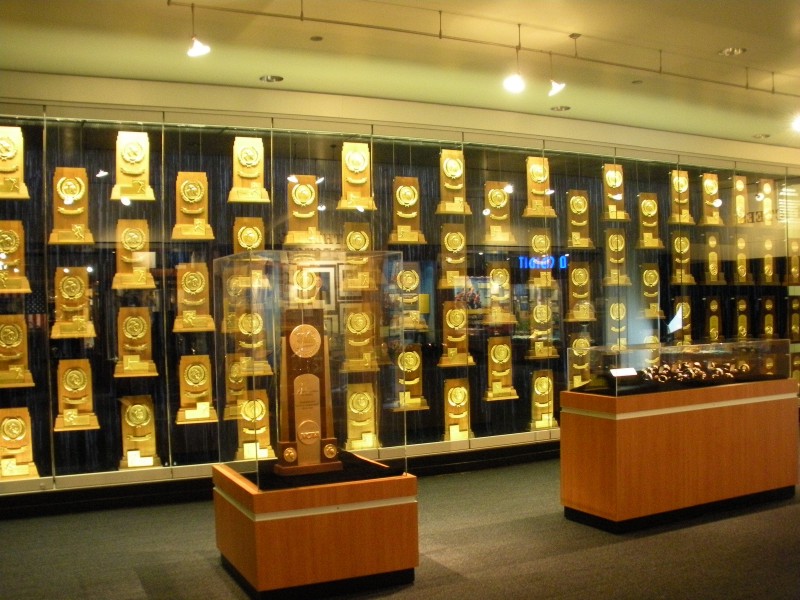
The NCAA stages national championships in dozens of sports for men and women, culminating in high-profile events such as the annual men’s and women’s basketball tournaments widely known for intense fan interest and media coverage. These events create revenue, exposure for member institutions, and opportunities for student-athletes to compete at a national level.
Governance and membership
Governance combines representation from member institutions, conferences and elected leadership. The association sets compliance rules, academic standards and eligibility criteria that schools and athletes must follow. The NCAA comprises more than a thousand colleges and universities and serves hundreds of thousands of student-athletes across all divisions.
History, reforms and contemporary issues
Originating in the early 20th century as a response to safety and fairness concerns in college football, the NCAA evolved into a centralized regulator of intercollegiate sport. In recent decades it has been the focus of debates over amateurism, athlete compensation, and fairness—questions that led to reforms and new policies such as name, image and likeness arrangements and changes in recruiting and scholarship administration. Discussions about governance, conference realignment and competitive equity continue to shape its development.
Role and key functions
- Establishes rules of play and eligibility standards for member institutions.
- Organizes national championships and postseason tournaments.
- Monitors academic progress and enforces compliance.
- Facilitates research, safety initiatives and student-athlete welfare programs, and oversees scholarship policies such as sports scholarships.
The NCAA remains a central institution in American higher education athletics, balancing competitive opportunity, student welfare and institutional interests while adapting to legal, economic and cultural change.
Related articles
Author
AlegsaOnline.com National Collegiate Athletic Association (NCAA) Leandro Alegsa
URL: https://en.alegsaonline.com/art/68568