
Private school (independent or nonstate educational institution)
An independent, fee‑paying school not run by the state. Covers defining features, funding and admissions, types, history, uses, and distinctions such as public schools in Britain.
Overview
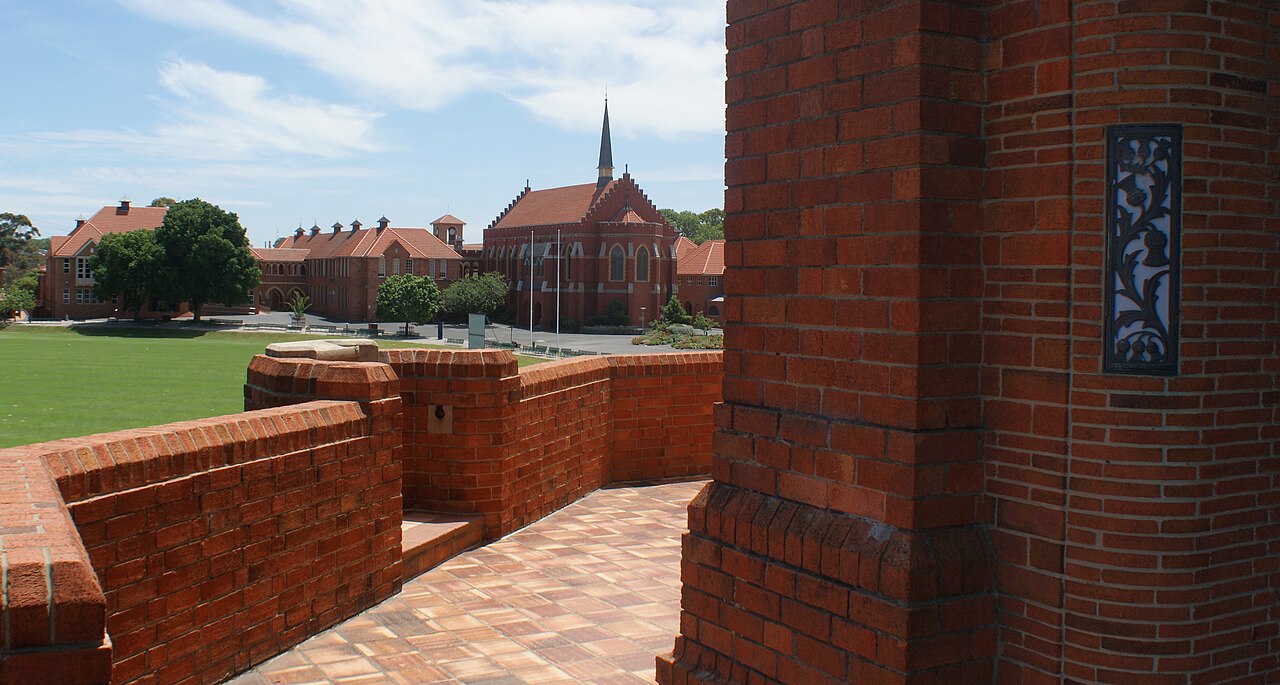
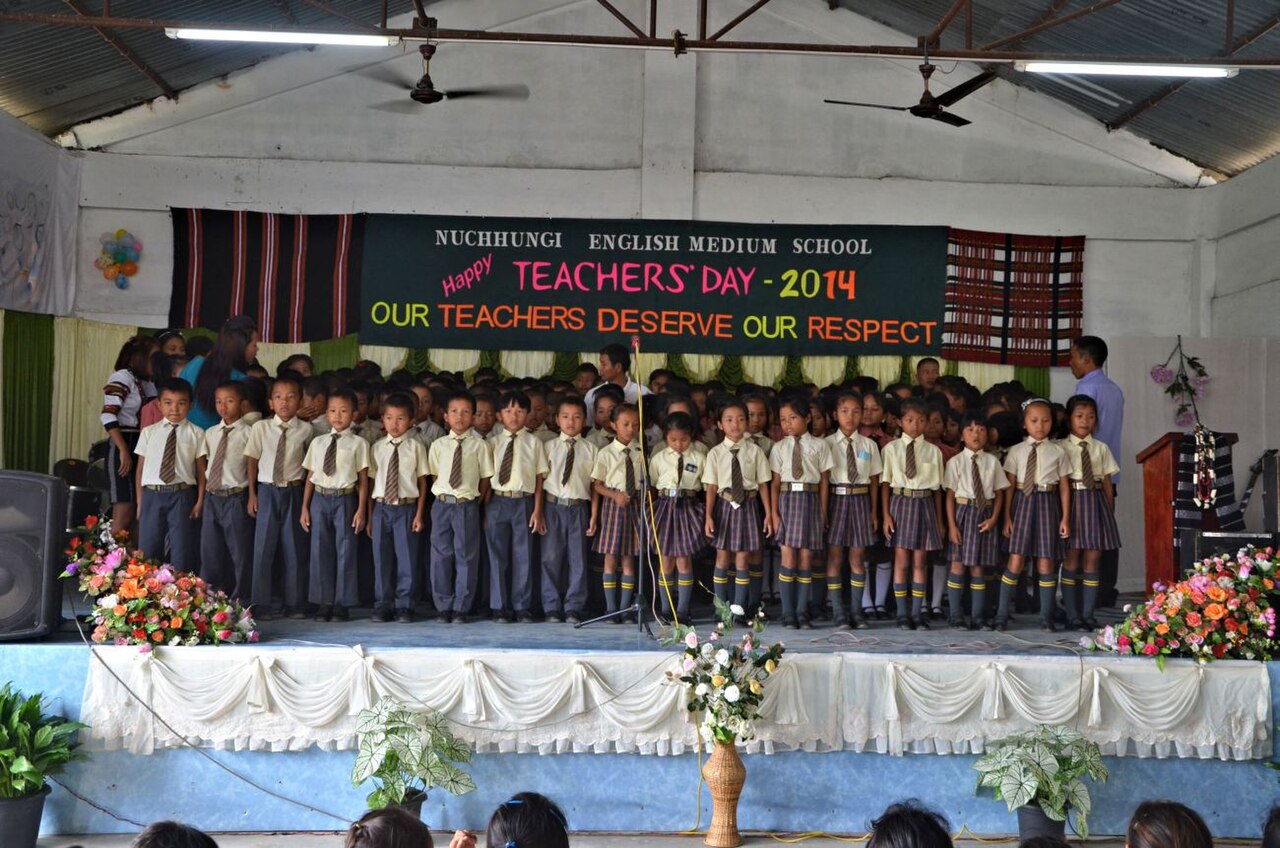
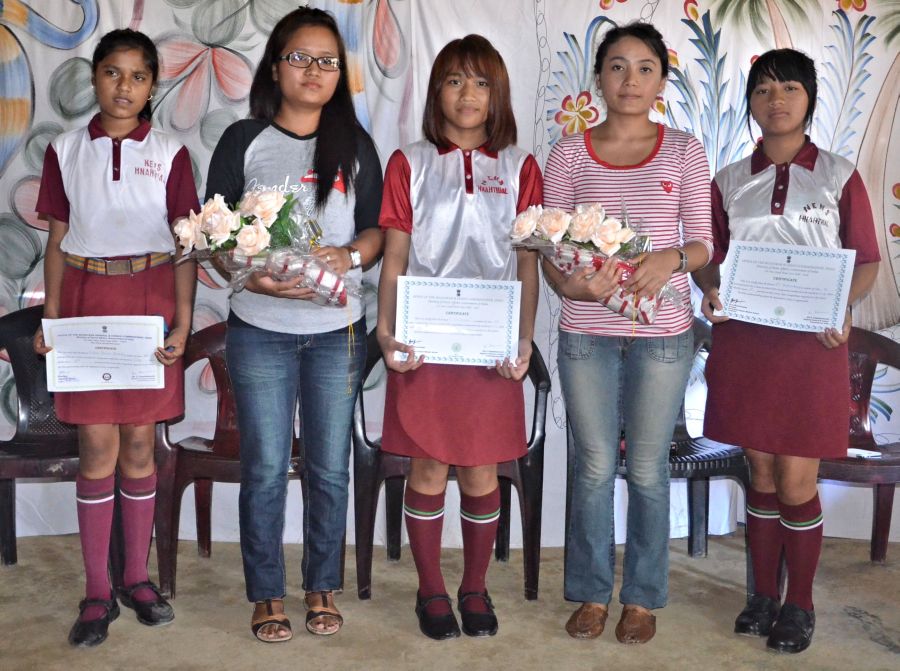
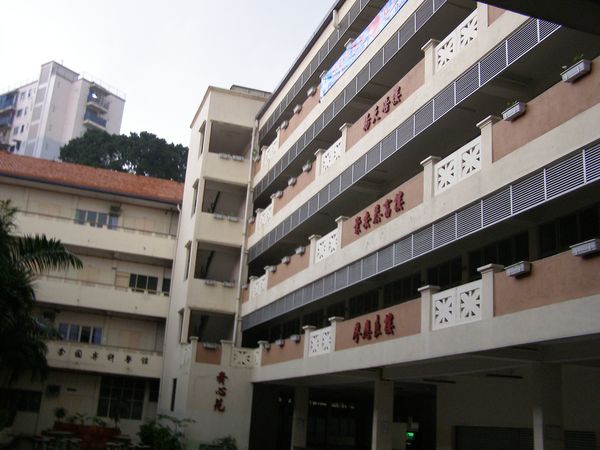
A private school—also called an independent or nonstate school—is an educational institution that operates outside direct government control. Such schools set their own admissions rules, manage staffing and curricula within applicable laws, and usually rely on tuition, donations or endowments for funding rather than general taxation. In some countries the term used for historical or cultural reasons differs: for example, many elite privately governed secondary schools in Britain are known as public schools.
Image gallery
8 Images



Typical characteristics
Private schools vary widely in size, mission and governance, but several features are common:
- Funding primarily through fees paid by families, charitable gifts, and private endowments rather than state budgets.
- Autonomy over admissions, which can include selective entrance exams, interviews, or other criteria.
- Freedom to design curricula and extra‑curricular programs that may differ from national standards, though many seek recognized accreditation.
- Varied governance structures: independent boards, religious organizations, or corporate operators.
History and development
Private education has deep historical roots: many early schools were founded by religious bodies, charitable trusts, guilds or wealthy patrons. Over centuries private schools have evolved to include broad ranges of institutions—parochial schools, boarding schools, preparatory and day schools, and modern international schools—responding to social changes, migration, and global demand for distinctive educational models.
Uses, advantages and criticisms
Families choose private schools for reasons such as perceived academic rigor, specialized programs (arts, languages, religious instruction), smaller class sizes, or boarding options. Private institutions can innovate in teaching and assessment. Critics point to affordability and equity concerns: because they rely on fees they are often more expensive than state schools, and access may be limited without scholarships or bursaries.
Types and notable distinctions
Private schools include faith‑based (parochial) schools, independent secular schools, boarding schools, and international schools serving expatriate communities. They differ from other nonstandard options: charter schools or voucher‑funded schools may be publicly funded while retaining some operational autonomy, whereas private schools are generally funded privately. The terminology also changes by country; for instance, the phrase "public school" in Britain historically refers to certain long‑established private institutions.
Regulation and quality assurance
Though not state‑run, private schools are usually subject to national laws on health, safety and minimum educational standards and often pursue voluntary accreditation to demonstrate quality. Many offer scholarships and means‑tested aid to broaden access, and some participate in examinations or university entrance systems shared with public schools. For further introductory material see basic definitions and comparisons.
Related articles
Author
AlegsaOnline.com Private school (independent or nonstate educational institution) Leandro Alegsa
URL: https://en.alegsaonline.com/art/79279
Sources
- fullcomment.nationalpost.com : Mosharraf Zaidi: Why we wanted to believe what Greg Mortenson was selling
- nytimes.com : "Is Private School Not Expensive Enough?"