
Brigham Young
Second president of The Church of Jesus Christ of Latter-day Saints, leader of the Mormon migration to the American West, first governor of Utah Territory, founder of Salt Lake City and influential 19th-century leader.
Overview
Brigham Young (1801–1877) was a prominent American religious and political leader best known as the second president of The Church of Jesus Christ of Latter-day Saints and as an organizer of the migration of Latter-day Saint settlers to the western United States. He served as the first territorial governor after the community established itself in the region that became the state of Utah. Young has remained a central, sometimes controversial, figure in the history of the Mormon movement.
Image gallery
10 Images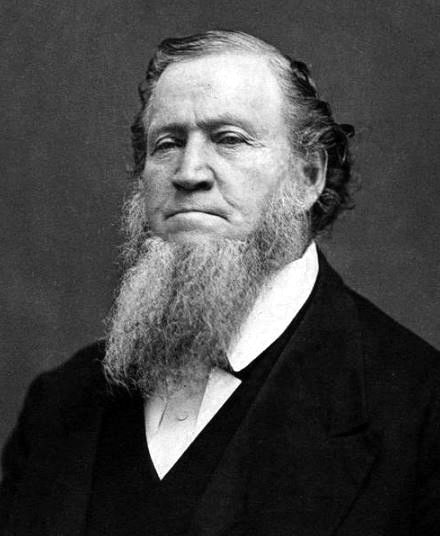


Early life and conversion
Born in rural Vermont, Young worked as a carpenter and schoolteacher before encountering the new religious movement begun by Joseph Smith. He joined the church in the early 1830s and rose through its ranks, known for his organizational talents and forceful personality. After the assassination of Joseph Smith in 1844, Young emerged as the senior leader of most of the movement's followers.
Leadership, migration, and settlement
Facing persecution and legal pressure in the Midwest, Young led a large migration of Latter-day Saints to the Great Basin in the late 1840s. He directed the planned settlement of Salt Lake City and a network of surrounding communities, emphasizing cooperative economic practices, irrigation, and infrastructure. The migration and colonization efforts reshaped the American West and laid the foundations for many Utah towns.
Governance, religion, and controversy
As both ecclesiastical head and civil leader—he was chosen as the first territorial governor by local residents and later installed in office under the U.S. territorial system—Young blended religious authority with political administration. His administration clashed at times with the federal government over issues such as church governance and the practice of plural marriage, which Young and other leaders defended as a religiously motivated practice though it prompted legal and political conflicts.
Legacy and notable facts
- Young is remembered as the founder and chief planner of Salt Lake City and of an extensive system of settlements across the Intermountain West.
- He played a major role in converting, organizing, and directing thousands of settlers during a formative period for the community.
- Controversies surrounding polygamy, relations with Native American tribes, and statehood politics continue to affect his historical reputation.
- Educational and civic institutions commemorate his name; for example, Brigham Young University bears his name.
After Young's death in 1877, leadership of the church passed to John Taylor. Young's life is studied for its combination of religious leadership, frontier colonization, and the tensions between a distinct communal identity and the expanding United States. For more on his roles and the church he led, see organizational summaries at the church and historical treatments of the territory and state: governorship, American western expansion, and the political development of the state.
Related articles
Author
AlegsaOnline.com Brigham Young Leandro Alegsa
URL: https://en.alegsaonline.com/art/14125
Sources
- historytogo.utah.gov : "Brigham Young"
- mormontabernaclechoir.org : "Frequently Asked Questions – When was the Mormon Tabernacle Choir formed?"
- contentdm.lib.byu.edu : Encyclopedia of Mormonism
- worldcat.org : 24502140