
The Church of Jesus Christ of Latter-day Saints
A concise, neutral overview of the Church of Jesus Christ of Latter-day Saints: beliefs, scriptures, organization, history, practices, missionary work and distinguishing features.
Overview
The Church of Jesus Christ of Latter-day Saints is the largest denomination arising from the 19th‑century Latter Day Saint movement. It was organized in 1830 in New York under the leadership of Joseph Smith. Members are often called Mormon or Latter-day Saints; the church emphasizes that its official name foregrounds Jesus Christ. The faith describes itself as a restoration of the Christian church established by Jesus Christ and teaches that God continues to call prophets in modern times.
Image gallery
10 Images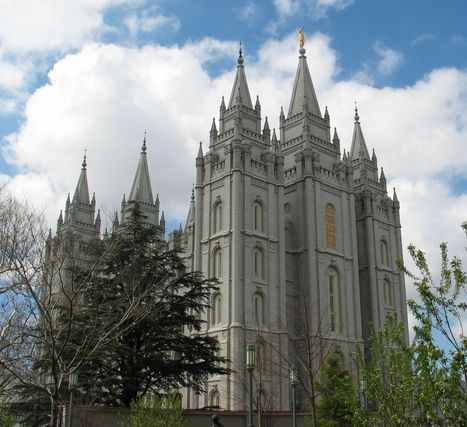







Core beliefs and scriptures
The church teaches a distinctive view of the Godhead, affirming the Father, the Son and the Holy Spirit as distinct persons united in purpose rather than a single substance. Members believe that Joseph Smith was a prophet who restored priesthood authority and essential doctrines. The church holds to a canon of scriptures that it regards as complementary to the Bible.
- Bible (Old and New Testaments)
- Book of Mormon (regarded as another testament of Jesus Christ)
- Doctrine and Covenants (revelations to church leaders)
- Pearl of Great Price (selected writings and translations)
Organization and practices
The church is organized with a lay priesthood and a hierarchical structure including a president—regarded as the presiding prophet—and other governing bodies. Local congregations are called wards or branches, grouped into stakes. Regular worship includes weekly services, teaching programs, and ordinances such as baptism and the sacrament. The church operates temples, which host additional sacred ordinances for members.
- Common practices: baptism, sacrament (communion), temple ordinances, tithing, fast Sunday
- Health and lifestyle: the Word of Wisdom guides health choices
- Service: humanitarian aid and extensive volunteer programs
History and development
Founded in the early 19th century, the church developed rapidly amid migration and social change in the United States. In the 19th century it expanded westward; some early practices, such as plural marriage, were later discontinued by the mainstream church. Over time the institution has grown into an international religious organization with diverse membership and a complex institutional history.
Missionary work, family focus, and public life
Missionary service is a well-known feature: many members serve time-limited missions to proselytize and provide community service. The church places strong emphasis on family life, genealogy, and intergenerational religious education. Members also participate in civic life, education, and charitable initiatives worldwide, and the church maintains various educational and welfare programs.
Distinctive points and contemporary notes
Distinctive elements include the combination of additional scripture alongside the Bible, the restorationist claim of modern prophets and priesthood authority, and temple-based practices. The church has been involved in public controversies and legal issues in its history; in modern times it engages in interfaith dialogue and social service while maintaining particular doctrinal positions. For further reading on terminology and history, see resources on the scriptures, the idea of the full gospel, and outreach efforts such as the worldwide missionary program. Additional context about church leaders and early events is available through biographies of Joseph Smith and studies of early American religion.
For introductions to the Bible and other texts used by members consult general overviews of the Bible and the Book of Mormon, or search for academic treatments of 19th‑century religious movements. Many churches and scholars also provide material on the role of the Father, the Holy Spirit and the continuing prophetic tradition that the church teaches.
Questions and answers
Q: What is the LDS Church and who founded it?
A: The LDS Church is the largest group in the Mormon movement, founded by Joseph Smith in 1830 in New York.
Q: What does the LDS Church believe about Joseph Smith?
A: The LDS Church believes that Joseph Smith was a prophet who restored the church Jesus Christ set up on earth when he was alive.
Q: What does the LDS Church teach about having the full gospel?
A: The LDS Church teaches that they are the only church that has the full gospel.
Q: What is the LDS Church's belief regarding the Father, Son, and Holy Spirit?
A: The LDS Church believes that the Father, Son, and Holy Spirit are three separate individuals but all have the same purpose.
Q: What are some of the scriptures used by the LDS Church?
A: The scriptures used by the LDS Church include the Bible, the Book of Mormon, the Doctrine and Covenants, and the Pearl of Great Price.
Q: What are members of the LDS Church often called, and what is their belief about families?
A: Members of the LDS Church are often called Mormons, and they believe in the importance of families.
Q: What is something that the LDS Church is known for?
A: The LDS Church is known for being active in missionary work.
Related articles
Author
AlegsaOnline.com The Church of Jesus Christ of Latter-day Saints Leandro Alegsa
URL: https://en.alegsaonline.com/art/97766
Sources
- mormonnewsroom.org : "LDS Statistics and Church Facts"
- beta-newsroom.lds.org : "Church Is the Second-Fastest Growing Religion in the United States"
- ncccusa.org : "Catholics, Mormons, Assemblies of God growing; Mainline churches report a continuing decline"
- beta-newsroom.lds.org : "Facts & Statistics"
- familysearch.org : "FamilySearch - About Us"
- lds.org : "Articles of Faith 1"
- centerplace.org : the Wentworth letter
- fox13now.com : "LDS church President Thomas S. Monson dies at age 90"
- contentdm.lib.byu.edu : contentdm.lib.byu.edu/cgi-bin/docviewer.exe?CISOROOT=/JournalOfDiscourses3&CISOPTR=9599