
Master's degree: overview, types, requirements, and global variations
A master's degree is a postgraduate academic qualification that denotes advanced study in a specific field. This article explains types, requirements, history, uses, and international differences.
A master's degree is a postgraduate qualification awarded by a university or similar higher-education institution to students who complete advanced study beyond the bachelor's level. It is commonly issued as an academic or professional credential and may be conferred in many fields, from arts and sciences to business and engineering. The award is typically recorded on an official certificate; for more on certification formats see certificate information. Entry normally requires a completed bachelor's degree and satisfying the admitting institution's academic standards.
Image gallery
1 Image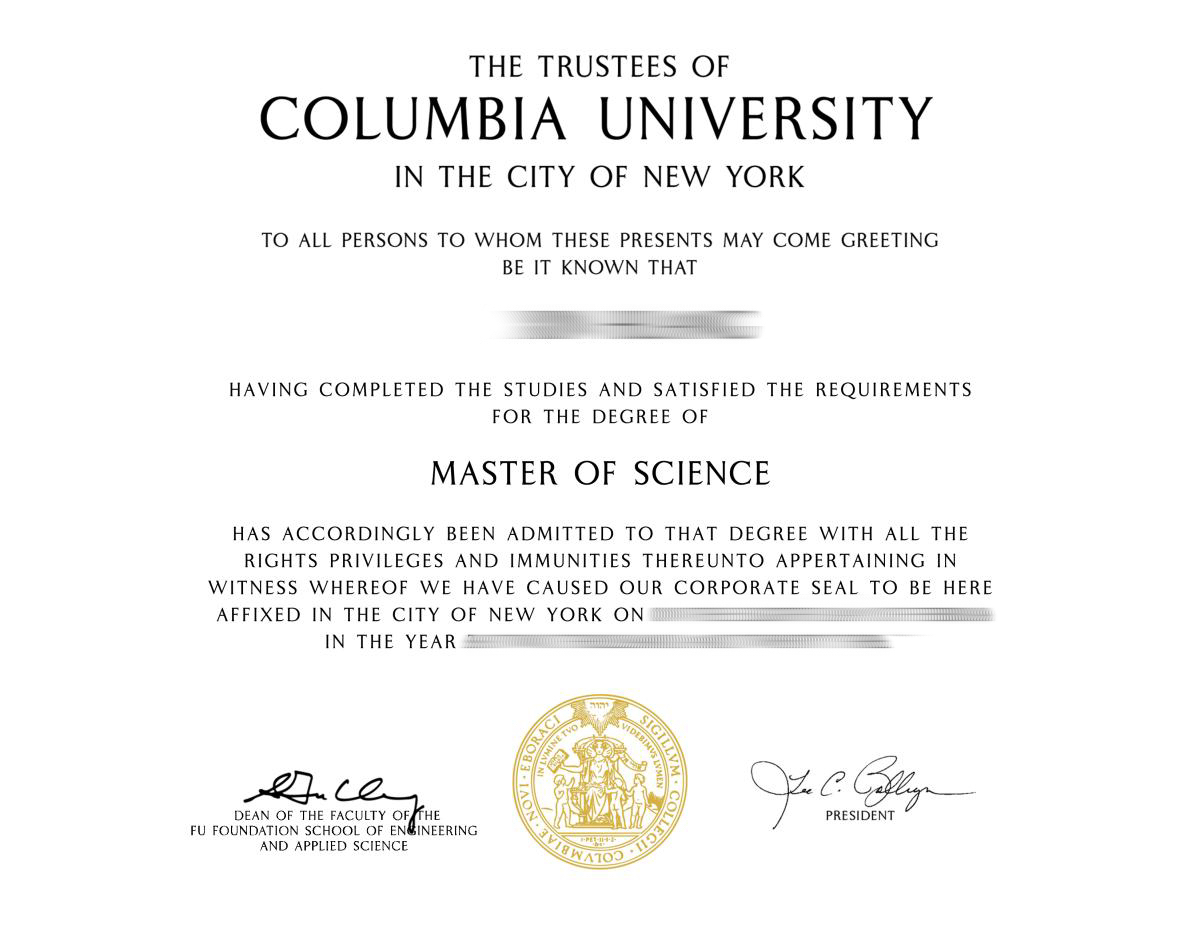
Common features and structure
Master's programmes vary in length and format but share several core elements. Most last one to two years of full-time study and combine taught coursework, examinations, and a research component such as a dissertation or capstone project. Some programmes are primarily research-oriented and prepare students for doctoral study, while others are taught or professionally focused and emphasize practical skills.
- Typical components: core modules, electives, research thesis or project, assessment by coursework and exams.
- Delivery modes: full-time, part-time, accelerated, or online.
- Common abbreviations: MA (Master of Arts), MSc (Master of Science), MBA (Master of Business Administration), MEng, MEd, LLM, MPhil, and others.
Admission and requirements
Admissions generally require a relevant bachelor's degree, a satisfactory grade point average or classification, and supporting materials such as transcripts, references, and a statement of purpose. Certain programmes — especially professional or funded research degrees — may also require work experience, standardized test scores, or an interview. The precise credit, residency, and assessment requirements depend on national and institutional regulations.
History and international development
Postgraduate master's study has a long history tied to the European university tradition, and its structure was reshaped in recent decades by reforms such as the Bologna Process in Europe, which harmonized degree cycles and credit systems across many countries. In the United States and elsewhere the number of master's programmes and graduates expanded substantially in the late 20th and early 21st centuries, reflecting broader demand for advanced skills and professional specialization.
Uses, outcomes, and significance
People pursue master's degrees for varied reasons: to deepen subject knowledge, gain vocational competence, change careers, increase earning potential, or qualify for doctoral study. Employers often value specialised master's credentials for technical, managerial, or research roles. In some regulated professions, a master's or specific postgraduate qualification is required for licensure or certification.
Variations and notable distinctions
International differences are important to note. Certain countries offer integrated master's degrees that combine bachelor's and master's study into a single extended programme. Others distinguish professional postgraduate degrees (aimed at practice) from academic research degrees (aimed at knowledge creation). A Master of Philosophy (MPhil) is sometimes used as a research-only degree or a preparatory step toward a PhD. Prospective students should check programme accreditation, expected learning outcomes, and recognition in the region where they intend to work or study.
For further reading and institutional details consult university admissions guides and official qualification frameworks; introductory resources and institutional pages can be found via these links: certification details, bachelor-to-master pathways, higher education providers, and regional overviews for the United States and Europe.
Related articles
Author
AlegsaOnline.com Master's degree: overview, types, requirements, and global variations Leandro Alegsa
URL: https://en.alegsaonline.com/art/62745