
Campus: Definition, parts, history and functions
A campus is the land and collection of buildings used by a college or university. This article explains common features, history, uses, and variations of campuses worldwide.
A campus is the tract of land and the cluster of structures devoted to higher education institutions. Although most commonly associated with a college or university, the term applies to any site where academic activities are concentrated. Campuses combine spaces for teaching, research, residence, recreation and administration into a coherent environment designed to support learning and community life.
Image gallery
4 Images
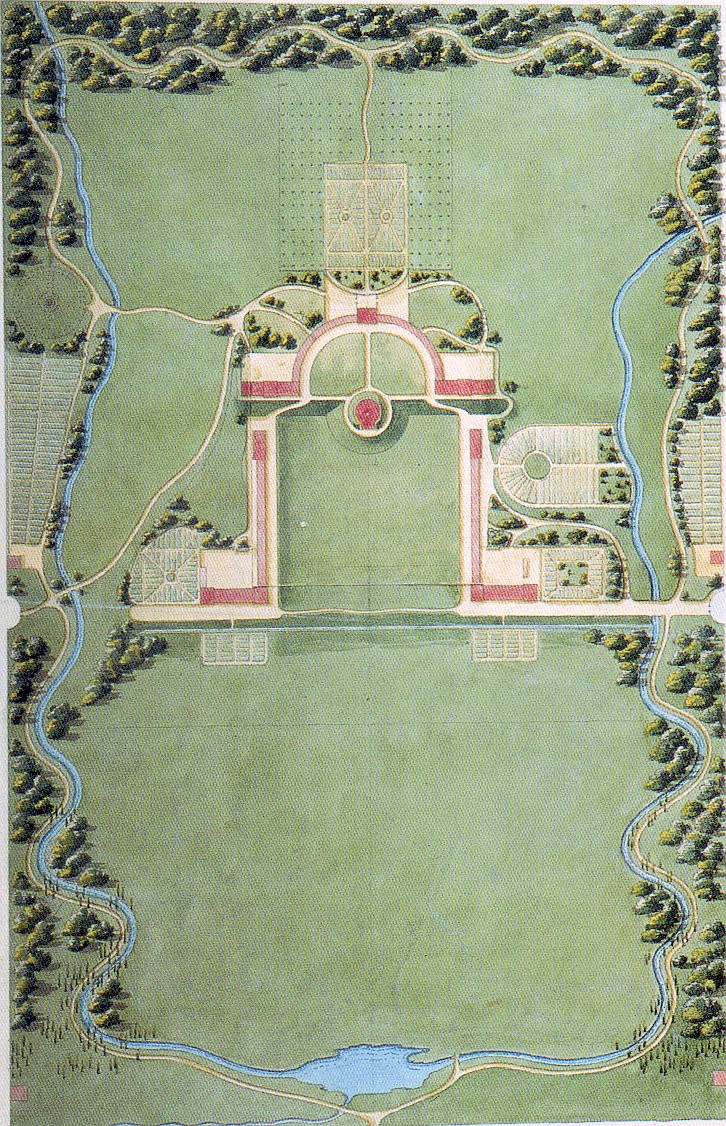


Common components
A campus typically includes a mix of academic and non-academic facilities. Academic components often contain classrooms and lecture halls, research laboratories and departmental offices. Supportive resources include libraries, student centers, dining halls and health services. Physical layout elements range from formal quads and walkways to green spaces and sports fields; many campuses are organized around open land that connects buildings and outdoor gathering places.
History and development
The campus model evolved from medieval collegiate settings into planned landscapes that reflect pedagogical ideals and local culture. Early examples grew around religious houses; later, purpose-built campuses emphasized order, accessibility and the relationship between built and natural environments. Modern campuses adapt older patterns to contemporary needs such as sustainability, technology infrastructure and inclusive design.
Functions and examples
- Teaching and research: main academic buildings and laboratories support instruction and scholarship.
- Residential life: dormitories and apartment complexes create on-site communities.
- Recreation and nature: athletic facilities and parks encourage exercise and informal interaction.
- Institutional identity: landmarks and public spaces express a school's history and mission.
Variations and notable facts
Campuses vary widely: urban campuses may be integrated with city blocks, while suburban or rural campuses can span large areas with dedicated greenways. Some institutions operate multiple satellite campuses to serve different regions or specialties. Whether associated with a small liberal arts college or a research-intensive university, campuses remain central to the practice of higher education and the student experience.
Design priorities—accessibility, safety, sustainability and adaptability—shape how campuses evolve, reflecting changes in pedagogy, technology and community expectations.
Related articles
Author
AlegsaOnline.com Campus: Definition, parts, history and functions Leandro Alegsa
URL: https://en.alegsaonline.com/art/16414
Sources
- thefreedictionary.com : Campus from the Free Online Dictionary