
Johannes Heesters: Dutch actor and singer with a nine-decade career
Dutch-born performer Johannes Heesters (1903–2011) was a prolific stage and screen entertainer in German-speaking Europe whose long career was shadowed by controversy over his wartime activities.
Overview
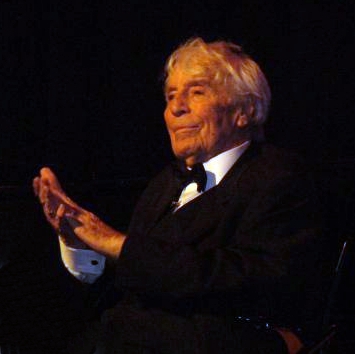
Johan Marius Nicolaas "Johannes" Heesters (5 December 1903 – 24 December 2011) was a Dutch-born actor, singer and entertainer whose professional life spanned more than ninety years. Best known for his smooth tenor voice and charismatic stage presence, Heesters built a career almost entirely in German-speaking Europe, appearing in operettas, films, variety shows and television well into his later decades. His longevity in show business made him one of the longest-working performers of the twentieth and early twenty-first centuries.
Image gallery
6 Images




Career and repertoire
Heesters began performing in the 1920s and became associated with light opera, operetta and the popular musical theatre of the interwar and postwar periods. He appeared in numerous stage productions and films, often playing romantic leads or suave gentlemen. His repertoire typically included classic operetta numbers, popular ballads and songs adapted for radio and early television. Audiences and critics praised his polished delivery and professional discipline, traits that helped sustain his career across changing tastes and media.
- Stage: operetta and musical theatre roles that emphasized his vocal clarity and gentlemanly persona.
- Film and television: appearances in German-language cinema and later TV productions that brought him a broad public profile.
- Concerts and recordings: popular songs and light-classical selections that circulated on radio and records.
Controversy and wartime activity
Heesters' reputation is complicated by his activities during the 1930s and 1940s. He performed for political leaders and for audiences in Germany during the Nazi era, an association that has led to longstanding debate and criticism. Heesters sang at events where Adolf Hitler was present and has been accused of showing support for Nazi Germany during World War II. After the war, these connections prompted protests and critical reassessment of his choices; defenders argue that many entertainers of the time faced pressured and complex circumstances. Historians and commentators continue to discuss how to weigh artistic achievement against political and moral responsibility in that period.
Personal life
Heesters' private life included two marriages. He married Belgian actress Louise Ghijs in 1930; the couple remained together until her death in 1985 and had two daughters. In 1992 he married actress Simone Rethel. His family includes multiple generations of performers: his daughter Nicole Heesters and granddaughter Saskia Fischer became well-known actresses in German-speaking countries. Reports from 2011 noted a large extended family including grandchildren and further descendants.
Later years and health
Heesters continued to make public appearances and occasional screen roles into advanced age. His longevity did not spare him from health setbacks: he suffered a fall at his holiday home in Tyrol in 2008 that resulted in broken ribs. In late 2011 he required a pacemaker operation and was hospitalized again after a relapse; he subsequently suffered a stroke and died on 24 December 2011 at the age of 108.
Legacy and reception
Johannes Heesters remains a polarizing figure. For many, he exemplified a bygone style of elegant musical entertainment and exceptional professional longevity. For others his wartime associations overshadow his artistic output. Modern appraisals tend to place him within broader debates about the roles of artists under authoritarian regimes and about how cultural history should remember performers whose careers intersected with troubling political contexts. His recordings and filmed appearances continue to be studied by enthusiasts of operetta and mid-twentieth-century popular performance.
Further reading and resources
- Biographical overviews and archival collections in German-language media and theatre histories; see linked resources for curated material and contemporary commentary: actor profiles, career retrospectives, and historical studies accessible via specialized libraries and cultural institutions.
- Critical discussions of entertainers under Nazi rule explore ethical and historical questions raised by figures like Heesters; consult scholarly works that address wartime culture and postwar memory.
Related articles
Author
AlegsaOnline.com Johannes Heesters: Dutch actor and singer with a nine-decade career Leandro Alegsa
URL: https://en.alegsaonline.com/art/122275
Sources
- spiegel.de : Johannes Heesters ist tot
- independent.co.uk : "Anger at concert by Hitler singer, 104"
- spiegel.de : "Johannes Heesters geht es besser"
- morgenpost.de : "Johannes Heesters muss Zwangspause einlegen"
- morgenpost.de : "Johannes Heesters ist Tot"
- ibtimes.com : "Hitler's Favorite Actor Dead at 108"
- telegraph.co.uk : "Johannes Heesters"