
Johann Friedrich Blumenbach
German physician and naturalist who helped establish comparative anatomy and early physical anthropology; proposed a fivefold classification of human varieties and assembled influential anatomical collections.
Overview
Johann Friedrich Blumenbach (11 May 1752 – 22 January 1840) was a German physician, naturalist and scholar whose work in comparative anatomy helped shape the early study of human diversity. Working in the late 18th and early 19th centuries, he is often called one of the founders of physical anthropology because he treated humanity as part of natural history and sought natural explanations for differences among peoples.
Image gallery
4 Images
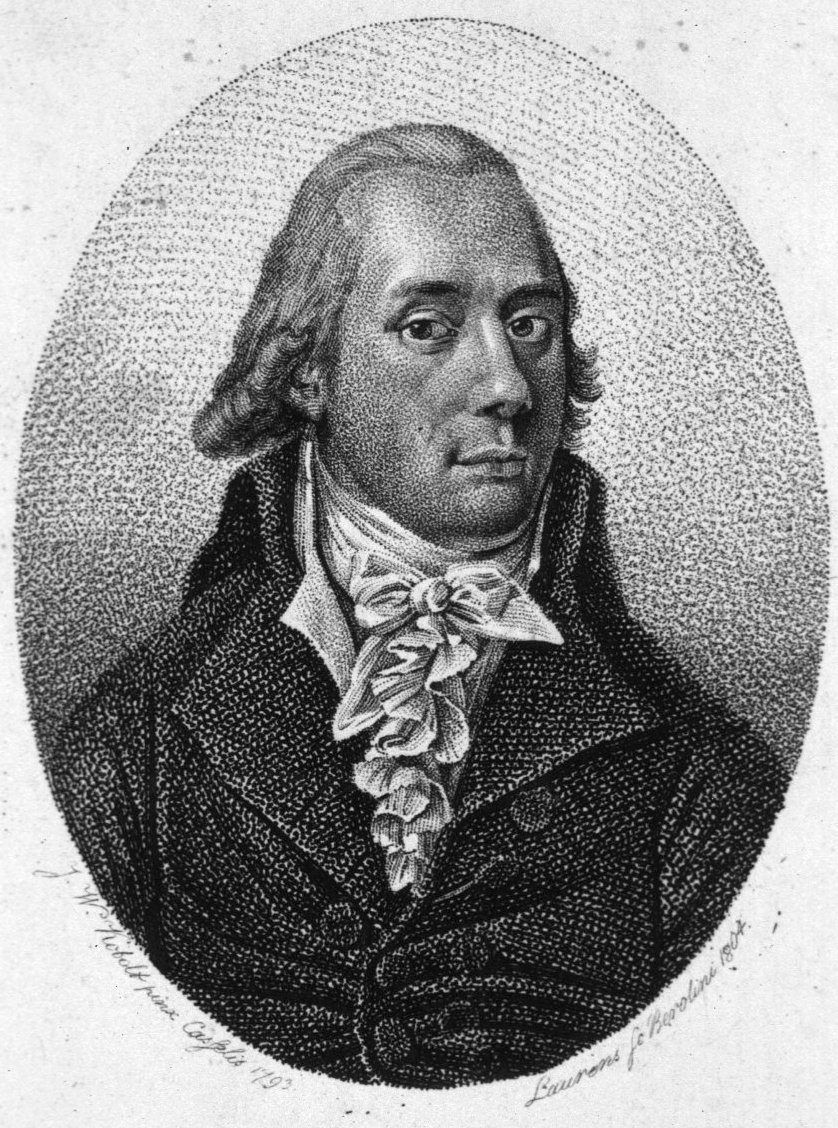


Methods, classification and collections
Blumenbach applied methods from anatomy and morphology, especially the study of skulls and soft tissues, to compare human groups. Drawing on museum specimens and published reports, he proposed a practical fivefold grouping often cited in later literature. He also built an extensive comparative collection of skeletons and other specimens that became a resource for students and researchers.
- Five commonly cited groups associated with his scheme: Caucasian, Mongolian, Malay, Ethiopian (African), and American.
Views and historical context
Unlike later racial theorists, Blumenbach argued for a common origin of humankind (monogenism) and emphasized the role of environment, diet and lifestyle in producing regional variation. He regarded physical differences as generally superficial and not evidence of separate species. At the same time, his categories and measurements — especially craniometry — became tools that others used in very different and sometimes harmful ways.
Legacy and criticism
Blumenbach's influence is twofold: he introduced comparative anatomical methods to the study of human diversity and he donated a notable museum collection that informed 19th-century scholarship. Later historians and scientists have reassessed aspects of his work: his taxonomies were retained in simplified form, his term "Caucasian" gained cultural resonance, and later misuse of racial categories has prompted critical scrutiny of his methods and their consequences.
Further reading
For introductions to his life and the development of anthropological thought, consult specialized biographies and histories of biological anthropology. See overviews of comparative anatomy and museum collections for context about his specimen-based approach. Related topics include the history of craniometry and debates over the interpretation of human variation in science and society. Comparative anatomy resources and institutional histories can provide additional context.
Questions and answers
Q: Who was Johann Friedrich Blumenbach?
A: Johann Friedrich Blumenbach was a German physician, naturalist, physiologist, and anthropologist.
Q: What was Blumenbach's contribution to the study of mankind?
A: Blumenbach was one of the first to explore the study of mankind as an aspect of natural history.
Q: How did Blumenbach classify human races?
A: Blumenbach used comparative anatomy to classify human races, of which he listed five.
Q: What fields did Blumenbach explore?
A: Blumenbach explored the fields of medicine, natural history, physiology, and anthropology.
Q: When was Blumenbach born and when did he die?
A: Blumenbach was born on May 11, 1752, and died on January 22, 1840.
Q: What was Blumenbach's nationality?
A: Blumenbach was German.
Q: Why is Blumenbach significant in the study of mankind?
A: Blumenbach is significant in the study of mankind because he was one of the first to explore the subject as an aspect of natural history and used comparative anatomy to classify human races, which laid the foundation for future anthropological studies.
Related articles
Author
AlegsaOnline.com Johann Friedrich Blumenbach Leandro Alegsa
URL: https://en.alegsaonline.com/art/122281
Sources
- books.google.com : The Anthropological Treatises of Johann Friedrich Blumenbach