
Dutch people
People native to or associated with the Netherlands: overview of identity, language, history, diaspora, culture, notable contributions and distinctions within the Kingdom of the Netherlands.
Overview
The term "Dutch" refers primarily to the people of the Netherlands (Netherlands) and to those of Dutch origin or nationality. Colloquially the country is sometimes called "Holland" (Holland), but that name applies only to two provinces and not to the whole state. Dutch identity can mean citizenship, birthplace, family ancestry, cultural affiliation or some combination of these, so the label covers a diverse population both inside and outside the European country.
Image gallery
10 Images


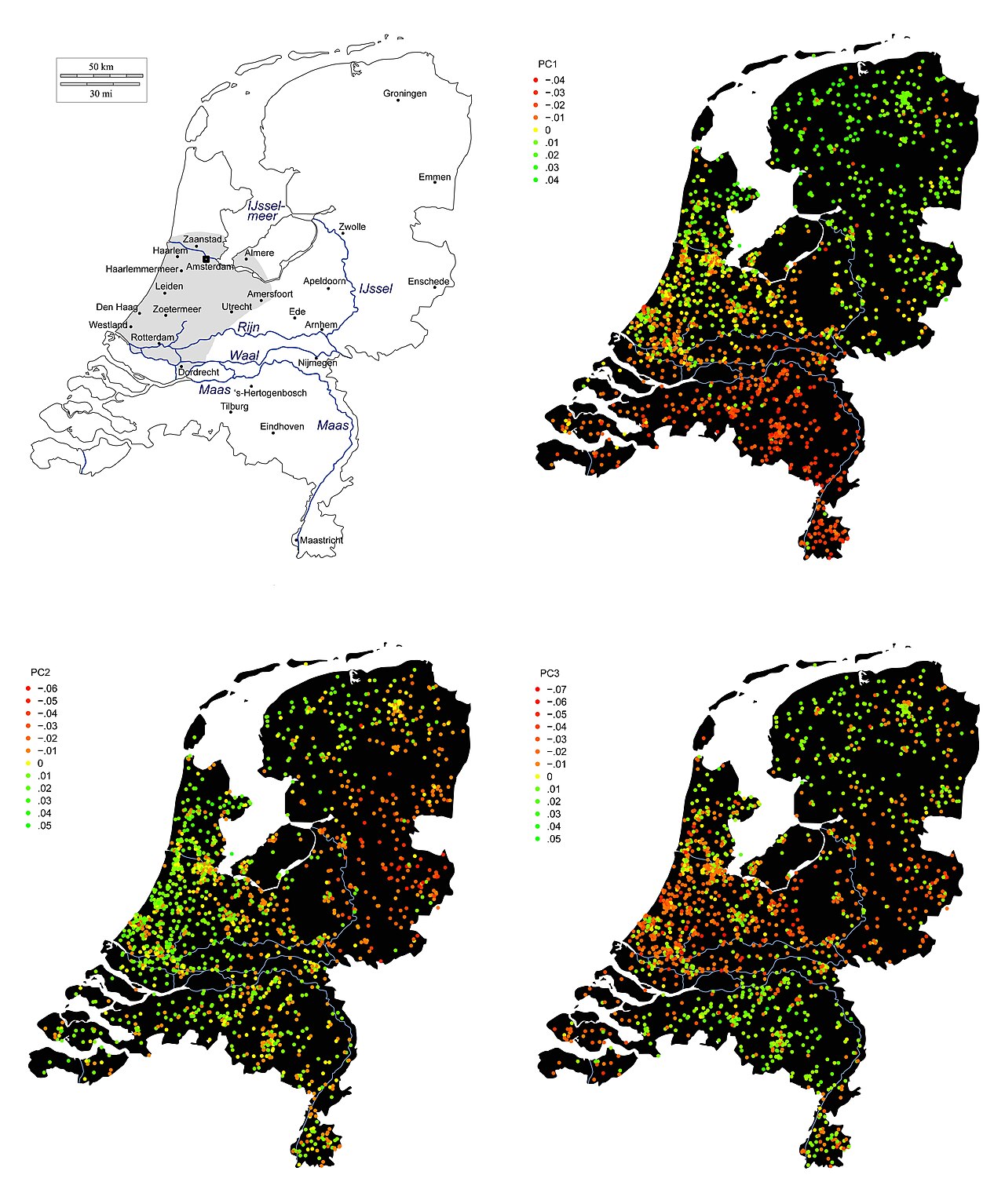
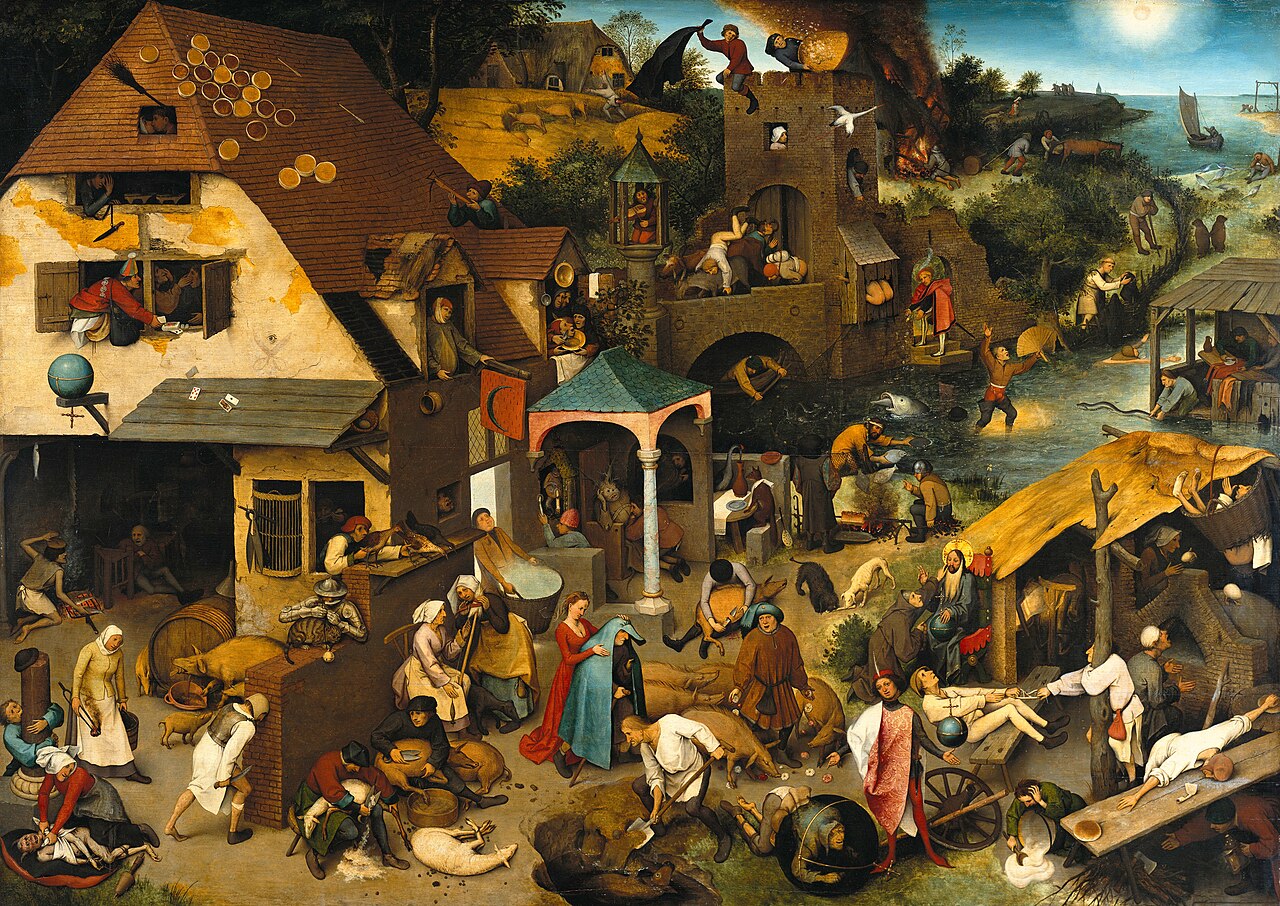


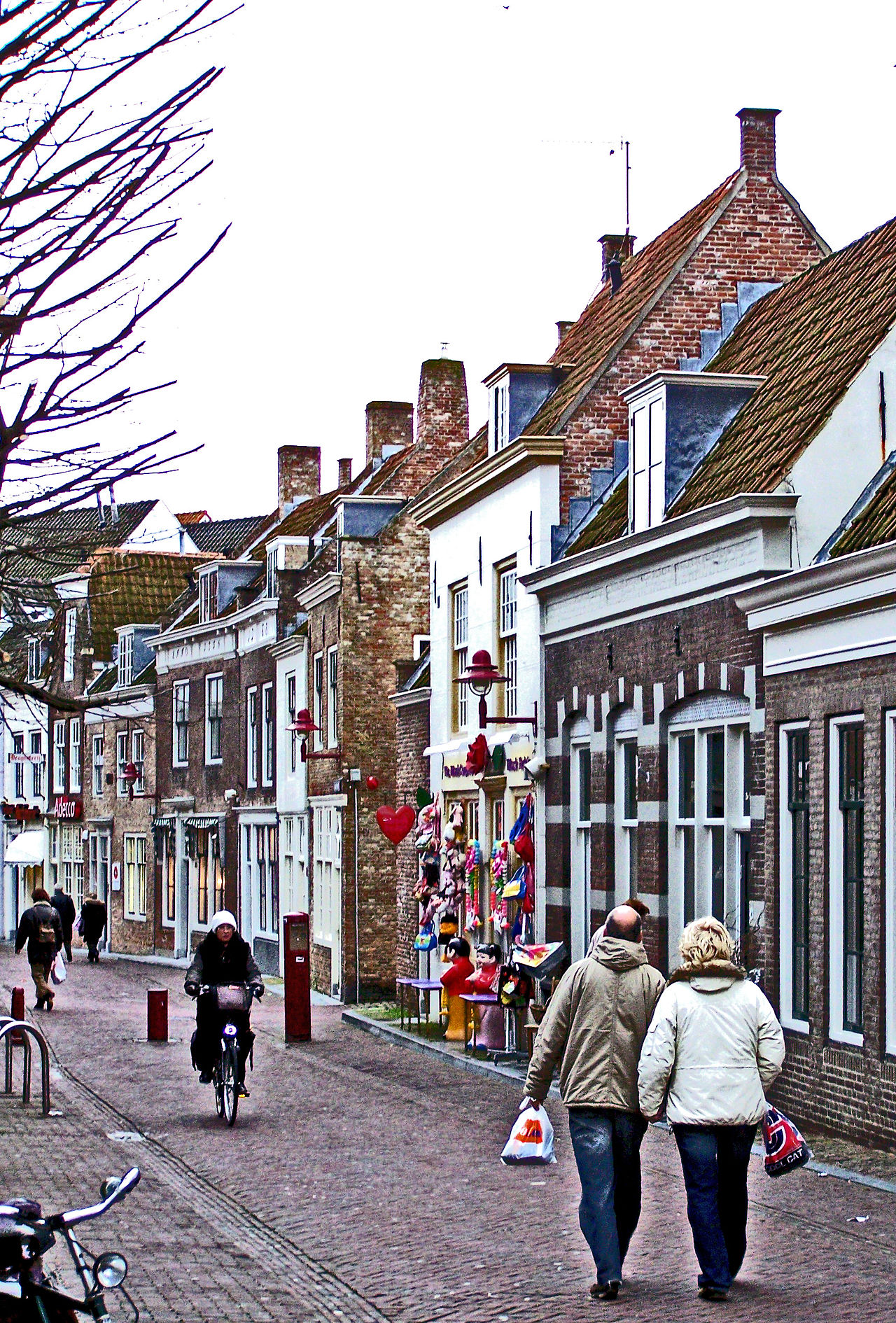
Language, culture and characteristics
Dutch culture centers on the Dutch language and shared social norms such as a high value placed on directness, pragmatic problem-solving and a long tradition of tolerance in civic life. Regional languages and dialects, including Frisian in the north, are also part of the cultural landscape. The Netherlands is notable for its urbanized society, extensive cycling infrastructure, and engineering expertise in water management and land reclamation.
History and notable contributions
The modern Dutch people trace their cultural and political development to medieval and early modern Low Countries. During the 16th and 17th centuries the Dutch Republic became a major maritime, commercial and cultural power. That period produced globally influential painters, scientists and merchants. Prominent artists include Rembrandt van Rijn and Johannes Vermeer, and later figures such as Vincent van Gogh remain internationally celebrated. Dutch inventors and instrument makers have also been influential; names associated with early optical and microscopic devices include Hans Lippershey and others often mentioned in accounts of the microscope and the telescope (inventors).
Distribution, nationality and the Kingdom
Citizenship and nationality are legal categories distinct from ancestry. Many people living in the Netherlands hold Dutch nationality (Dutch nationality), and there are also substantial Dutch-descended communities abroad. The political entity called the Kingdom of the Netherlands includes territories beyond Europe: Aruba (Aruba), Curaçao (Curaçao), Sint Maarten (Sint Maarten) and the Caribbean Netherlands (Caribbean Netherlands) share constitutional ties while having their own local administrations (Kingdom of the Netherlands).
Diaspora and international ties
People of Dutch origin form diasporas and cultural legacies in many countries. Historical emigration and colonial ties created Dutch-speaking or Dutch-influenced communities in places such as South Africa (South Africa), Suriname (Suriname) and Namibia (Namibia). Large numbers of Dutch emigrants and their descendants are also found in North America and elsewhere. These connections have shaped language, religion, law and commerce in a range of global contexts.
Notable distinctions and modern society
Modern Dutch society is multicultural and legally plural: some residents are Dutch by birth, some by naturalization, while others identify as Dutch through family ties. Definitions used by demographers and governments vary, so counts of who is "Dutch" differ depending on whether they measure citizenship, place of birth, parental origin or self-identification. Today the Netherlands remains known for its cultural exports, engineering and arts, and for attracting international residents and visitors.
- Famous painters and cultural figures: Rembrandt, Vermeer, Vincent van Gogh.
- Scientific and technical figures: Hans Lippershey and other early optical innovators (inventors).
- Important geographic and political notes: Holland is not synonymous with the whole country; see the Kingdom territories (Aruba, Curaçao, Sint Maarten, Caribbean Netherlands).
For further reading on Dutch culture and ethnicity see general overviews of Dutch society and historical surveys of the Low Countries (culture and ethnicity). Contemporary demographic and legal definitions are handled in government publications and population studies (nationality).


Questions and answers
Q: Who are the Dutch?
A: The Dutch are the people who live in the Netherlands, or those that come from the Netherlands.
Q: What is often called Holland?
A: Holland is often called a part of the Netherlands.
Q: Where else can Dutch culture and ethnicity be found?
A: Dutch culture and ethnicity can be found outside of the Netherlands, with large number of Dutch living in the United States of America, South Africa, Suriname, and Namibia.
Q: Who invented the microscope and telescope?
A: The inventors of the microscope and telescope were Hans Lippershey and Zacharias Janssen.
Q: What famous painters have been Dutch?
A: Famous painters who have been Dutch include Rembrandt van Rijn, Vincent van Gogh and Johannes Vermeer.
Q: How many people in The Netherlands actually have Dutch nationality?
A: About 15.5 million people in The Netherlands actually have Dutch nationality.
Q: How many people living in The Netherlands do not have Dutch nationality?
A: About 1 million people living in The Netherlands do not have Dutch nationality.
Related articles
Author
AlegsaOnline.com Dutch people Leandro Alegsa
URL: https://en.alegsaonline.com/art/29356
Sources
- statline.cbs.nl : CBS StatLine - Bevolking naar regio
- statline.cbs.nl : CBS StatLine - Mobiliteit per regio naar vervoerswijzen
- ns.nl : De NS in een oogopslag