
Johann Nepomuk Hummel — Austrian pianist and composer (1778–1837)
Concise encyclopedia entry on Johann Nepomuk Hummel: life, musical style, major works (notably the Trumpet Concerto), and his role between the Classical and early Romantic eras.
Overview
Johann Nepomuk Hummel was a prominent Austrian musician born in Pressburg on November 14, 1778 and who died in Weimar on October 17, 1837. He achieved fame as both a composer and a virtuoso pianist, and is remembered for music that combines Classical clarity with increasingly brilliant and virtuosic keyboard writing.
Image gallery
6 Images


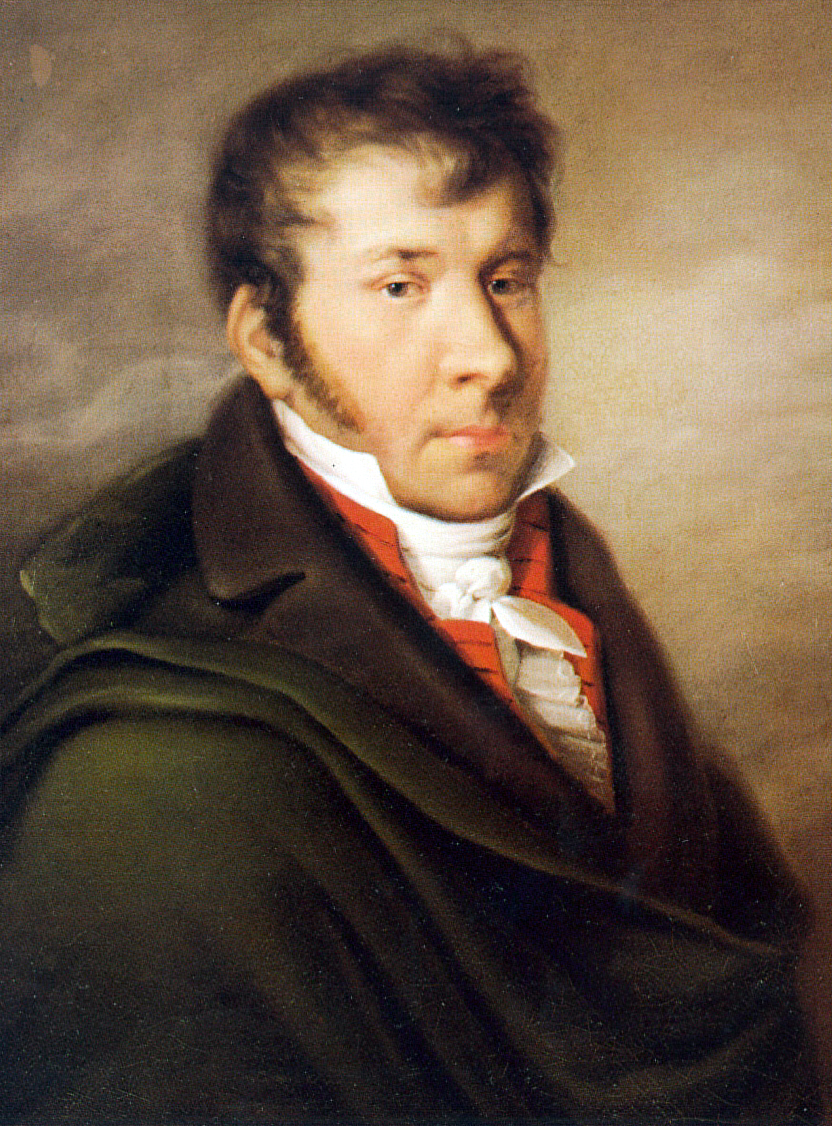


Life and career
Recognized early as a child prodigy, Hummel received encouragement from established masters during his youth; anecdotes commonly note a formative association with Wolfgang Amadeus Mozart. As a young adult he developed a successful career as a touring virtuoso in the concert life of late eighteenth and early nineteenth‑century Europe. Later he accepted court appointments and spent considerable time as a principal musical figure in Weimar, where he composed, taught and directed music at court. His positions at court and his frequent travels helped spread his reputation across musical centres.
Musical style and technique
Hummel's style remains rooted in Classical forms—balanced structures, clear thematic writing and transparent textures—while his keyboard writing frequently exhibits dazzling passagework, extended figurations and refined ornamentation. These traits made him an important influence on keyboard technique between generations: his concert music and his pedagogical writings contributed to the technical development of pianists who came after him.
Major works and the Trumpet Concerto
Hummel composed across many genres: piano concertos and solo pieces for the emerging salon market, chamber works, sacred music and stage music. Among his best‑known pieces is the Trumpet Concerto in E, composed for the new keyed trumpet and the virtuoso Anton Weidinger; the work exploited the instrument's then‑novel chromatic possibilities and remains frequently programmed. His numerous piano concertos and salon pieces were widely admired in their day and helped establish a repertory of showpieces for the concert circuit. He also produced a practical piano method that circulated widely and influenced teaching.
Legacy
Hummel is often described as occupying a transitional position between the Classical masters and nineteenth‑century pianism. He did not adopt the more radical expressive aims of the early Romantics but instead refined and extended Classical technique and pianistic brilliance. While later Romantic tastes shifted attention away from some of his output, a number of his works remain in modern performance and recording and scholars value him as a link in the history of keyboard playing and composition.
Notable facts
- Birthplace: Pressburg (now Bratislava).
- Dates: November 14, 1778 – October 17, 1837.
- Nationality and roles: Austrian composer and pianist, teacher and court musician.
- Famous piece: Trumpet Concerto in E (for keyed trumpet).
For further study consult specialized biographies, critical editions and modern recordings that explore his concertos, chamber music and pedagogical works in greater detail.
Related articles
Author
AlegsaOnline.com Johann Nepomuk Hummel — Austrian pianist and composer (1778–1837) Leandro Alegsa
URL: https://en.alegsaonline.com/art/122284