
Johann Gottlieb Fichte: German idealist philosopher and founder of the Wissenschaftslehre
Johann Gottlieb Fichte (1762–1814), German idealist philosopher and founder of the Wissenschaftslehre, who advanced a self‑positing theory of subjectivity and shaped 19th‑century German thought.
Johann Gottlieb Fichte (May 19, 1762 – January 27, 1814) was a German philosopher who played a central role in the development of German idealism. Working in the decades after Immanuel Kant, Fichte formulated a systematic philosophy centered on the self-conscious subject and on the activity of the mind. His thought influenced later German thinkers and had a notable impact on moral and political debates of his time.
Image gallery
3 Images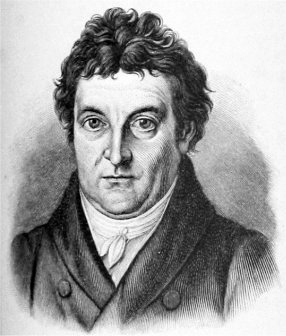


Early life and career
Fichte was born in 1762 in Saxony. He trained and worked as a teacher before gaining wider recognition through his writings and lectures. Over the course of his life he held several academic posts and became known for energetic classroom teaching and forceful public addresses as well as for his written works.
Philosophical project
At the heart of Fichte’s philosophy is an emphasis on the active, self-positing subject. He developed a systematic presentation often called the Wissenschaftslehre, or “doctrine of science,” which aims to deduce the conditions for knowledge and moral agency from the activity of the conscious “I.” Fichte’s method is sometimes described as more radical than Kant’s because it seeks to found experience and objectivity on the operations of the transcendental subject.
Works and public interventions
- Fichte published a number of books and gave widely attended lecture series that circulated in manuscript and later in print.
- During the Napoleonic era he produced influential political and educational writings, including a series of addresses aimed at strengthening German cultural and civic identity.
- His writings range from systematic metaphysics to practical proposals for education and national renewal.
Influence and controversies
Fichte’s ideas shaped the next generation of German philosophers, including figures such as Friedrich Wilhelm Joseph Schelling and Georg Wilhelm Friedrich Hegel, who responded to and transformed aspects of his account of subjectivity and freedom. At times his political interventions and rhetorical style generated public controversy and professional difficulty, but they also helped make him a prominent intellectual figure in early 19th-century Germany.
Death
Fichte died in Berlin of typhus on January 27, 1814. He had spent his final years in the city of Berlin, where his lectures and writings continued to attract attention.
Related articles
Author
AlegsaOnline.com Johann Gottlieb Fichte: German idealist philosopher and founder of the Wissenschaftslehre Leandro Alegsa
URL: https://en.alegsaonline.com/art/122283
Sources
- dictionary.reference.com : "Fichte"