
Franz von Papen: Conservative Politician, Chancellor, and Contested Diplomat
German conservative politician and diplomat (1879–1969), briefly chancellor in 1932 and vice-chancellor in 1933–34; helped arrange Hitler’s appointment, later served as ambassador and was tried and acquitted at Nuremberg.
Franz Joseph von Papen (29 October 1879 – 2 May 1969) was a German aristocrat, soldier, politician and diplomat whose career spanned the late Imperial, Weimar and Nazi eras. Born into a Catholic landowning family, he served as an officer on the General Staff before entering national politics. He identified with conservative and monarchist currents and was long associated with the Catholic Centre Party while promoting a vision of order that rested on traditional elites rather than mass parliamentary parties.
Image gallery
10 Images


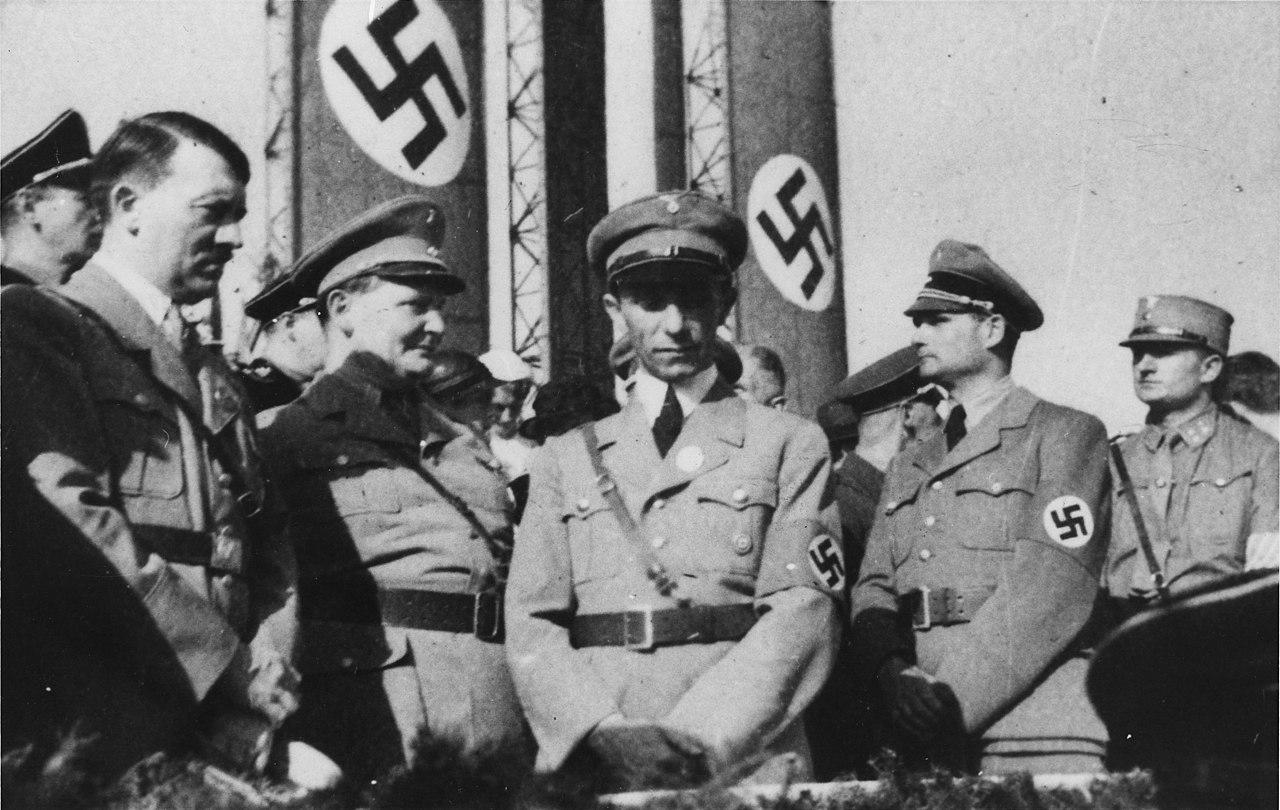

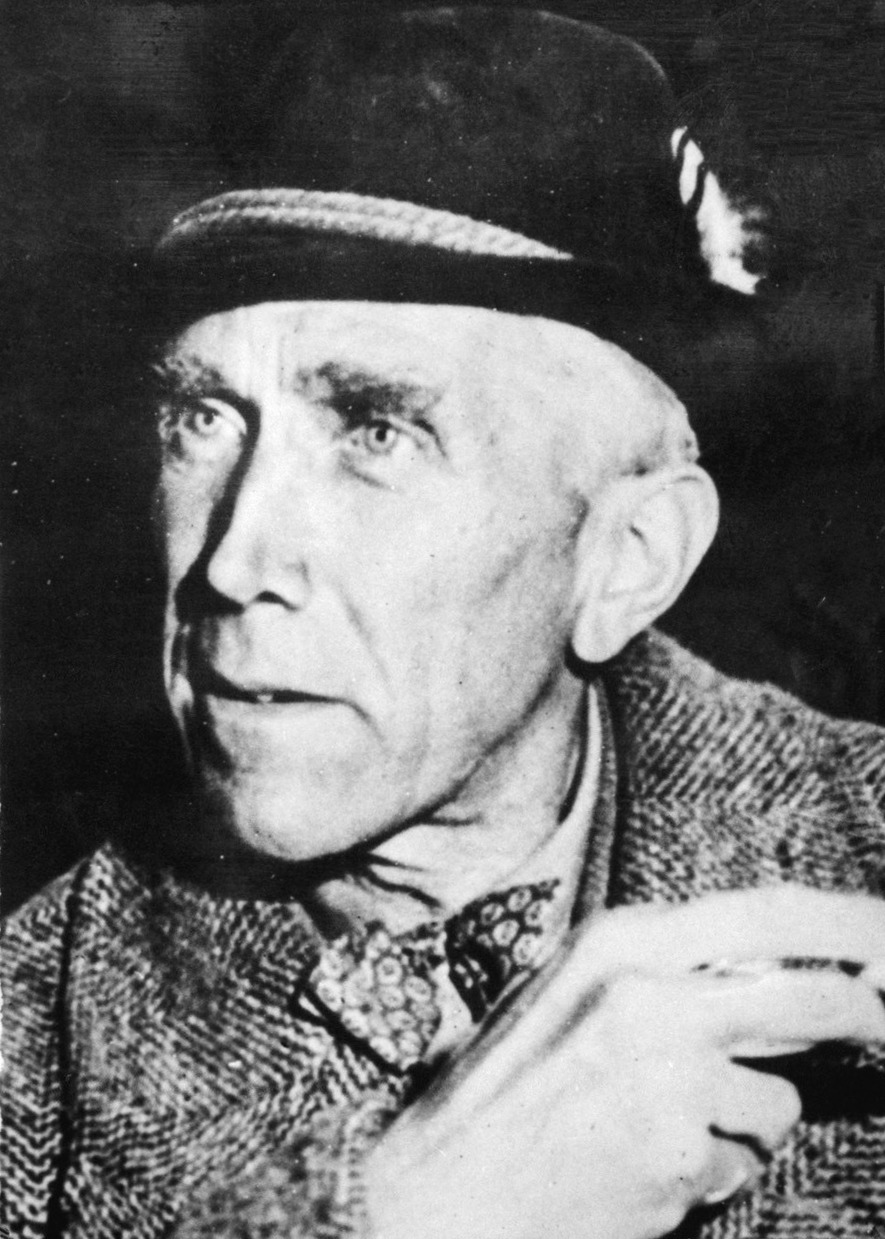
Early life and military service
Papen’s background as a nobleman and member of an established Catholic noble family shaped his social and political outlook. His time in the military and on the General Staff gave him connections with conservative circles and with officers who later played roles in the turbulent politics of the Weimar Republic. He saw himself as a protector of traditional institutions against what he regarded as the twin threats of radical leftism and social disorder.
Political rise and the chancellorship
Papen rose to prominence in the unstable early 1930s and served briefly as Chancellor of Germany in 1932. His government reflected the influence of conservative elites who believed that authority should be exercised from above, with limited reliance on parliamentary majorities. Facing persistent political fragmentation, Papen accepted a return to a more secondary role when arrangements changed at the national level, and he became Vice Chancellor of Germany in the cabinet formed at the start of 1933.
Conservative strategy and the rise of Hitler
Many in Papen’s social and political milieu—including conservative politicians and parts of the military establishment—believed extremist movements could be controlled by placing them within a government shaped by traditional authorities. Papen worked with other leading conservatives and persuaded the Reich President Paul von Hindenburg that appointing Adolf Hitler as chancellor would be the lesser risk compared with a possible communist advance. That strategy misfired: once in office, Hitler consolidated power rapidly, and instruments such as the Enabling Act removed effective influence from the conservative cabinet.
Diplomatic postings and wartime years
After conservatives lost substantive control in domestic affairs, Papen was moved into diplomacy. He served as an ambassador, first posted to Austria in the mid-1930s and later to Turkey beginning on the eve of the wider European conflict. His tenure abroad coincided with sensitive moments in European politics and with debate over the extent of his sympathy for, or distance from, central aspects of Nazi policy. Historians continue to debate how much his diplomatic work reflected personal conviction, pragmatism, or attempts to preserve a residual role for conservative influence.
Postwar trial and acquittal
After World War II Papen was among those brought before the Allied tribunals. He was one of the 24 men formally charged in the principal proceeding at the Nuremberg Trials. The tribunal did not convict him of the principal counts in the indictment and he was acquitted, though the legal outcome did not end debate about his moral and political responsibility for the collapse of German democracy.
Assessment and legacy
Franz von Papen is often studied as an example of conservative miscalculation in the face of mass politics. He was not a principal architect of Nazi ideology, but his willingness to negotiate with radical actors and his role in arranging Hitler’s access to power made him a controversial figure. Scholars emphasize the broader context of elite strategies during the interwar period: the attempt to use authoritarian means to preserve traditional status, the danger of underestimating radical partners, and the complex interplay between personal ambition and institutional decline.
- Key facts: Born 1879, died 1969; aristocrat, soldier, Centre Party affiliation, short-serving chancellor (1932), vice-chancellor (1933–34), ambassador to Austria and Turkey.
- Controversy: Instrumental in conservative decisions that helped bring Hitler to power; later tried and acquitted at Nuremberg.
For a fuller understanding of Papen’s life consult specialist histories of Weimar politics, collections of contemporary documents, and studies of elite accommodation to extremist movements. Interpretations vary; where facts are clear, historians still argue over motives and degrees of responsibility.
Related links: nobleman, noble family, Catholic Centre Party, General Staff, Chancellor, Vice-Chancellor, conservative, military, Adolf Hitler, Reich President, Paul von Hindenburg, dictator, cabinet, World War II, ambassador, Austria, Turkey, charged, Nuremberg Trials.
Related articles
Author
AlegsaOnline.com Franz von Papen: Conservative Politician, Chancellor, and Contested Diplomat Leandro Alegsa
URL: https://en.alegsaonline.com/art/119201