
Reich President (Reichspräsident) — Head of state in Weimar and Nazi Germany
The Reich President (Reichspräsident) was Germany’s head of state from 1919 to 1945, a powerful office created after the monarchy whose authority and practice changed dramatically from the Weimar Republic to Nazi rule.
Overview
The Reich President (German: Reichspräsident) was the constitutionally defined head of state of the German Reich from 1919 until 1945. Created as the republican successor to the German emperor, the office combined ceremonial and significant constitutional powers. The role was designed to provide national leadership and a counterbalance to the parliamentary system established under the Weimar constitution.
Image gallery
10 Images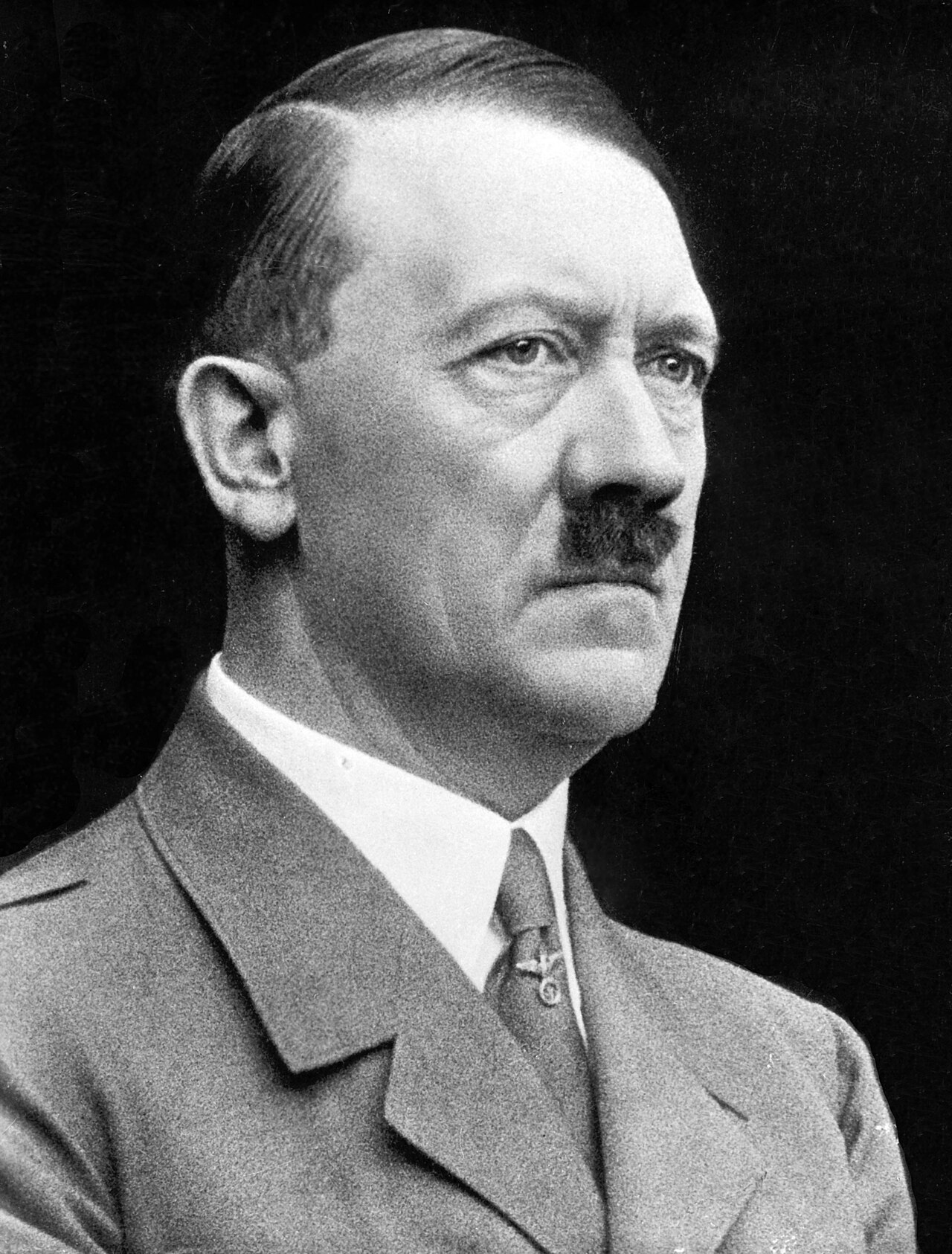


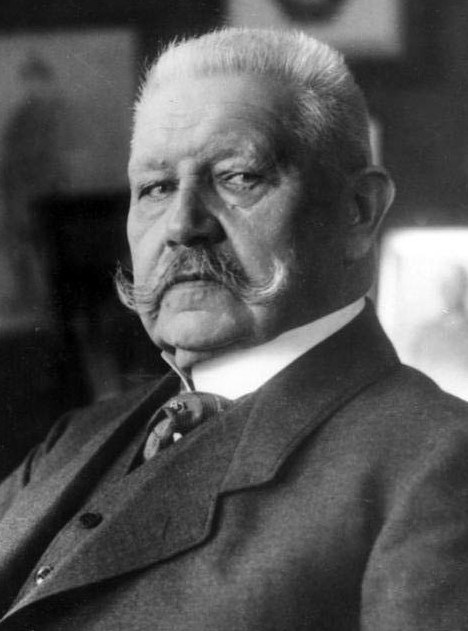


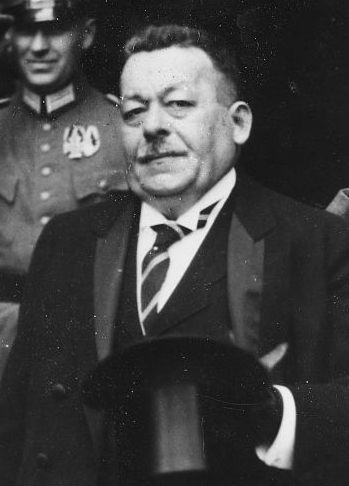
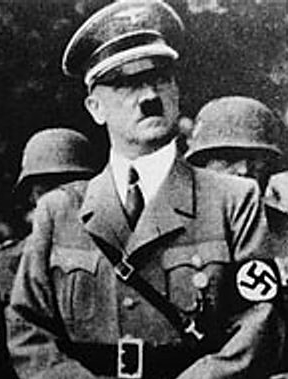

Powers and constitutional functions
Formally, the Reich President held several key authorities that set the position apart from later, more ceremonial presidencies. These included being supreme commander of the armed forces, the ability to appoint and dismiss the head of government, and the capacity to influence legislation. In practice these powers were expressed in constitutional articles that allowed emergency measures and direct action in exceptional circumstances.
- Commander-in-chief: nominal authority over the military and its leadership.
- Appointment powers: appointed the Reich Chancellor and other senior officials, and could remove them.
- Legislative influence: shared lawmaking with the parliament yet could dissolve the Reichstag and call new elections.
- Emergency authority: under certain provisions the president could govern by decree, bypassing normal parliamentary procedures (often referred to as special or emergency legislation).
Election, term and institutional place
Under the Weimar constitution the Reich President was elected directly by the people for a seven-year term and could be re-elected. This popular mandate was intended to give the office independent legitimacy and to serve as a stabilising national figure above party politics. The office was often contrasted with the later West German Federal President (Bundespräsident), which is more limited in everyday political power.
Historical development and practice
During the turbulent years of the Weimar Republic the presidency became a focal point for crisis management. Repeated political instability, weak coalition governments and social unrest led several presidents to make extensive use of emergency instruments. Critics argued that those practices weakened parliamentary democracy and helped normalise extra-parliamentary rule. That pattern of expanding presidential authority contributed to the conditions under which Adolf Hitler and the Nazi leadership transformed the office into an element of authoritarian control after 1933, when the Nazi period effectively reduced the Weimar legislative role to a formality.
Importance, controversies and legacy
The Reich President remains a subject of study for constitutional scholars and historians because it illustrates how a powerful head-of-state office can interact with parliamentary institutions. Its history raises questions about emergency powers, democratic resilience and the safeguards needed to prevent the concentration of authority. The office was the successor to the imperial crown and predecessor to later German presidential forms, linking the monarchy of the German Reich to republican institutions.
Notable features and related terms
Several legal and political concepts are commonly associated with the Reich Presidency: the distribution of legislative power, the mechanics of direct popular election (head of state selection), and the controversial use of special legislation in crises. Those elements help explain why the role behaved differently in practice than its framers sometimes intended and why it looms large in discussions of democratic vulnerabilities.
Related articles
Author
AlegsaOnline.com Reich President (Reichspräsident) — Head of state in Weimar and Nazi Germany Leandro Alegsa
URL: https://en.alegsaonline.com/art/81936