
Ambassador
An ambassador is a state's senior diplomatic representative accredited to a foreign country or international organization, responsible for representing national interests, negotiating, reporting and overseeing an embassy.
An ambassador is the accredited representative that one sovereign state or government sends to another state or to an international organization. Appointing authorities vary by system and may include a head of state, head of government or foreign ministry; this official designation links the sending state's government with the host country or institution. The ambassador speaks for their state, explains policy, reports on developments, and works to resolve disputes that affect bilateral or multilateral relations.
Image gallery
5 Images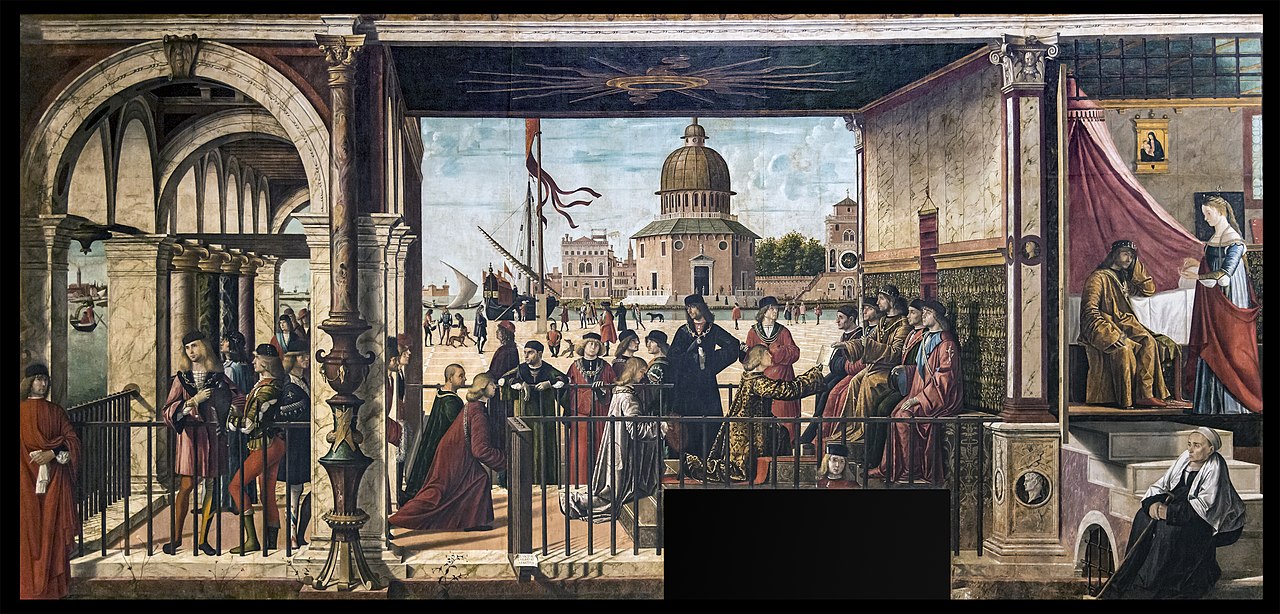



Role and functions
Ambassadors carry broad responsibilities that combine political, diplomatic, administrative and representational duties. Common functions include:
- Representing national positions to host-state authorities, other diplomatic missions and public institutions.
- Negotiating agreements and handling communications on sensitive issues, often through face-to-face talks that complement direct government-to-government channels or electronic contact; such negotiation work may draw on specialist advisers and interpreters.
- Monitoring political, economic and social developments and reporting analysis back to the sending state to inform policy decisions.
- Providing consular support by coordinating assistance to citizens abroad, in cooperation with consular officers and local staff.
- Managing the embassy's staff and resources, overseeing public diplomacy, cultural outreach and programmes that promote trade and cooperation.
Ambassadors may be resident in the host capital or non-resident, covering several countries from a neighbouring capital. Some ambassadors serve at multilateral organizations where they represent national views in collective decision-making processes.
Appointment, rank and tenure
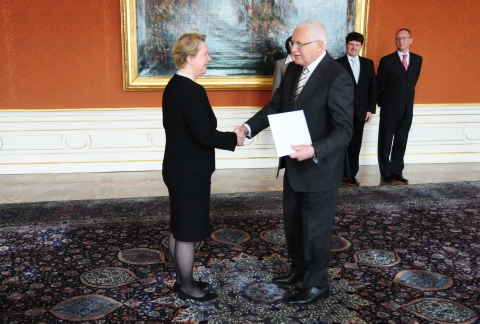
Most ambassadors hold the formal rank of Ambassador Extraordinary and Plenipotentiary, indicating authority to represent their state. They traditionally present credentials to the host state's head of state; this ceremony provides formal recognition of status. Length of service varies by country and can reflect routine rotation, political change or diplomatic priorities.
Legal status and protections
International rules, most prominently the Vienna Convention on Diplomatic Relations, set out privileges and immunities intended to allow diplomats to perform their functions without coercion or harassment. Among practical protections is diplomatic immunity, which limits local jurisdiction over accredited diplomats and many members of their households. Where conduct is disputed, a host state may declare a diplomat persona non grata and require their departure rather than pursue local prosecution. These protections are balanced by expectations that diplomats observe local law and the norms of diplomatic conduct.
Embassy, staff and consular distinction
An embassy is the principal place of diplomatic representation and administration in the host state; it is usually located in the capital. An ambassador leads a team of political officers, economic officers, consular staff, defence attaches, administrative personnel and locally employed staff. Consulates and consular sections, often found in other cities, focus on citizen services, visas and trade facilitation, while the embassy concentrates on the state-to-state relationship.
History, evolution and contemporary practice
The role of resident ambassadors developed as modern states created permanent diplomatic networks. Advances in communication and travel have transformed the daily practice of diplomacy, yet personal meetings remain important for complex negotiations, crisis management and long-term relationship-building. Contemporary ambassadors must balance traditional duties with new demands such as public diplomacy, media engagement and coordination on global issues like security, trade, human rights and climate.
For further context on institutions and supporting arrangements see materials on diplomatic representation, mechanisms of international communication, processes of negotiation, the role and functions of an embassy, and the legal framework for diplomatic immunity.
Questions and answers
Q: What is an ambassador?
A: An ambassador is a person sent by the government of a country to a different country to represent their country officially.
Q: What is the role of an ambassador?
A: An ambassador speaks to officials of the other country about any problems and issues between the two countries.
Q: How did communication between countries work in the past?
A: In the past, communication between countries could take days or weeks, and it was necessary to have a person in each foreign capital to have meetings and make negotiations between countries.
Q: Is communication still slow between countries?
A: No. Nowadays, communication is much faster, and often governments can be in direct contact with each other.
Q: Is the role of ambassadors still necessary?
A: Yes. Although communication is much faster, many problems still need person-to-person meetings, so ambassadors are still needed.
Q: Where does an ambassador live in a foreign country?
A: An ambassador lives in an embassy in the foreign country.
Q: What is diplomatic immunity?
A: Diplomatic immunity is a legal protection that the ambassador and many embassy officials have. They cannot be arrested or prosecuted in the foreign country, and the only possibility is to send them back to their own country.
Related articles
Author
AlegsaOnline.com Ambassador Leandro Alegsa
URL: https://en.alegsaonline.com/art/3272