
Chancellor of Germany
Head of government of the Federal Republic of Germany, elected by the Bundestag; outlines role, powers, election, history, and political significance.
The office of the Chancellor of Germany (Bundeskanzler, feminine: Bundeskanzlerin) is the head of government of the Federal Republic of Germany. The chancellor leads the federal cabinet and sets the main policy direction for the government. In many political systems the chancellor is comparable to a prime minister; the analogy is sometimes made explicitly (prime minister or premier), though German institutions and terminology are distinct.
Image gallery
10 Images
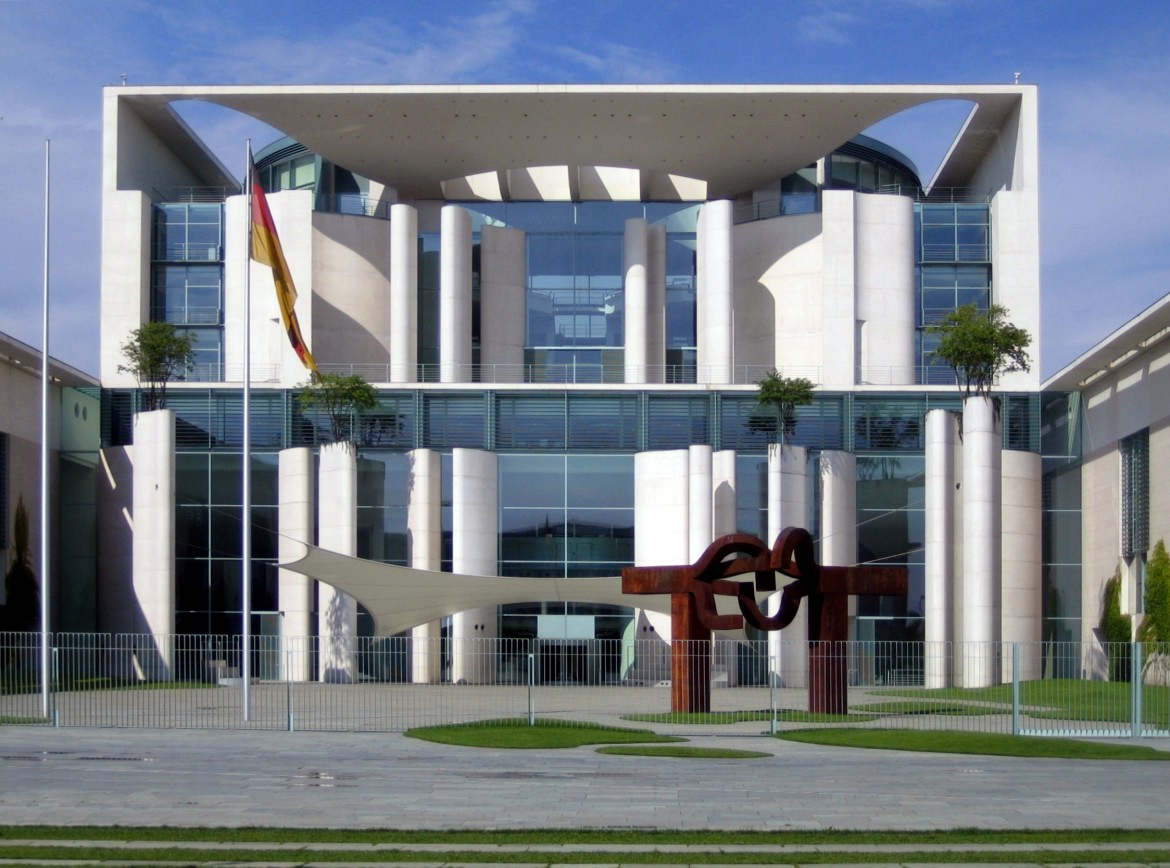

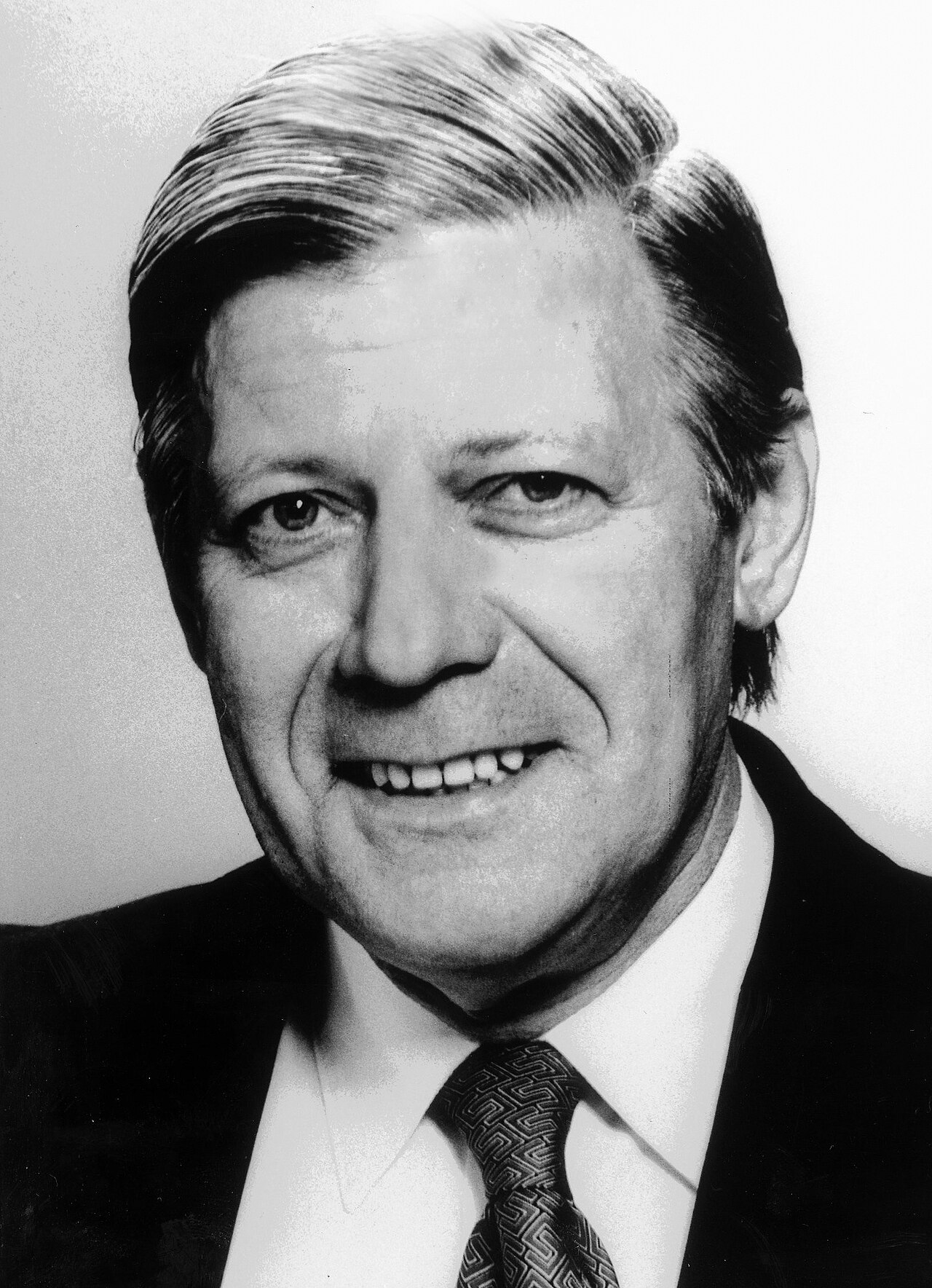

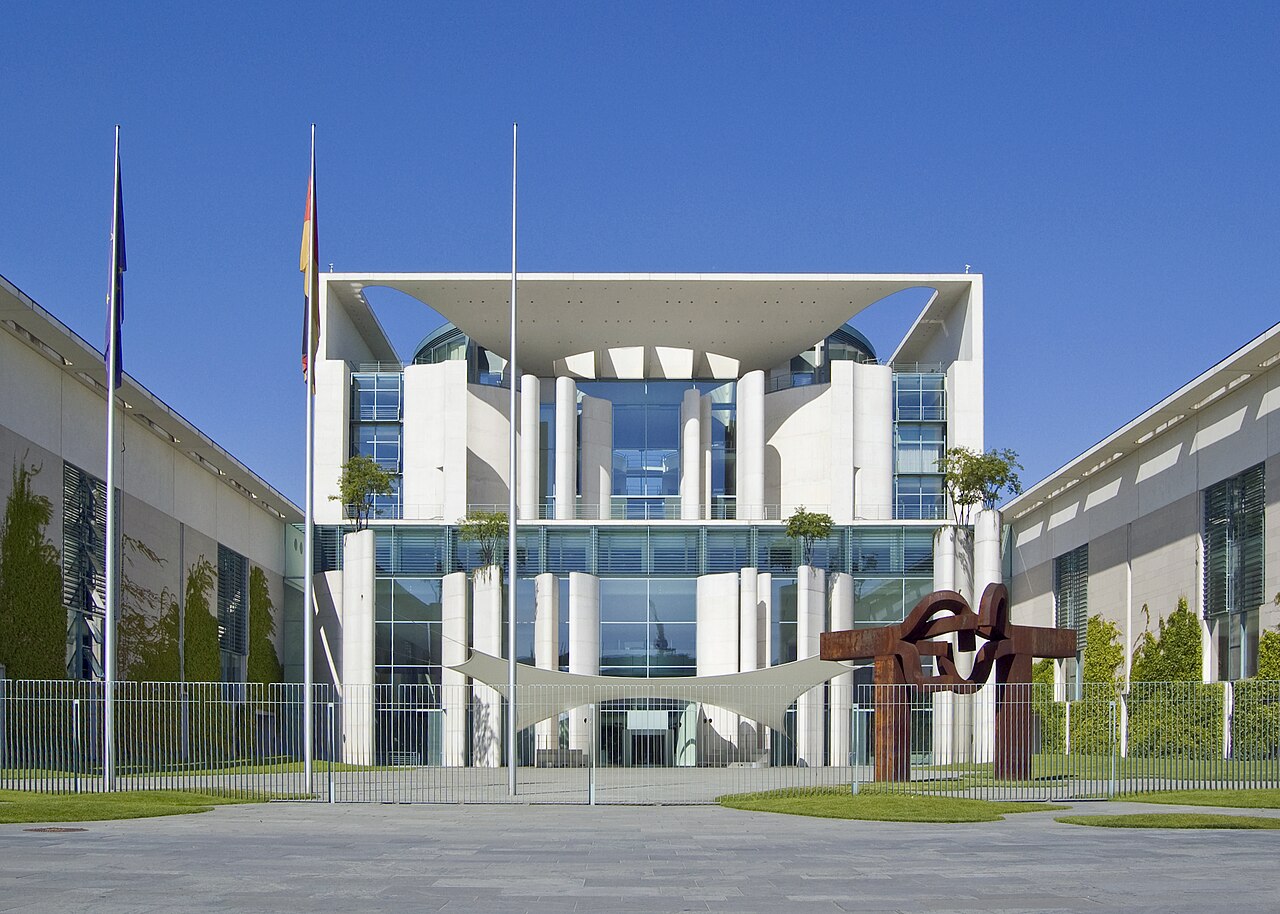


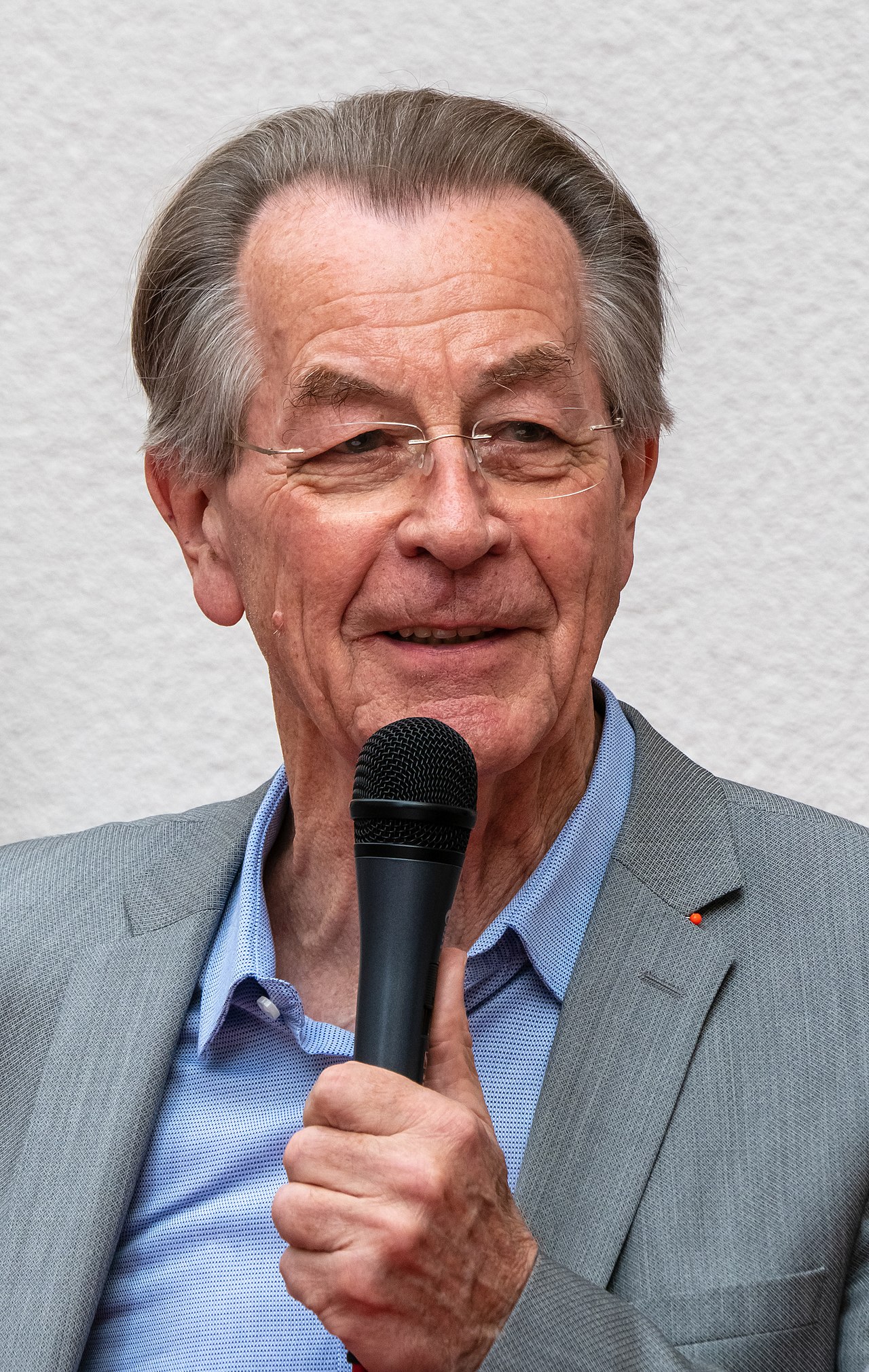

Constitutional role and selection
Under the Basic Law the chancellor is chosen by the Bundestag, the federal parliament, through a vote that must result in an absolute majority of its members. This mechanism ties the office closely to parliamentary support. A chancellor can be removed only through a "constructive" vote of no confidence, by which the Bundestag must simultaneously elect a successor. The position is separate from the Federal President, who performs largely ceremonial and formal functions.
Powers and responsibilities
The chancellor directs government policy and coordinates the work of federal ministers. A central principle known in German political practice is the chancellor's authority to determine general policy guidelines (Richtlinienkompetenz), which ministers are expected to follow when implementing decisions. Other duties include proposing cabinet members, representing the government domestically and internationally, and answering parliamentary inquiries.
- Leads the Federal Cabinet and chairs cabinet meetings.
- Sets policy priorities and exercises guideline competence.
- Requires the confidence of the Bundestag to remain in office.
- Represents the executive branch in international and intergovernmental affairs.
History and development
The modern chancellorship developed after World War II with the creation of the Federal Republic in 1949. The Basic Law aimed to combine executive effectiveness with democratic accountability, avoiding weaknesses of earlier systems. Over decades the office has evolved through practice and coalitions, with chancellors from different parties shaping the role according to political context.
Political importance and examples
Because the chancellor coordinates government action, the office is central to German politics. Notable postwar chancellors have included figures who steered economic recovery, European integration, and social reform. The incumbent, Olaf Scholz, has held the office since 8 December 2021 and heads a coalition government led by the Social Democratic Party (SPD).
Distinctive features and comparison
Distinguishing the German chancellor from other heads of government are the constructive vote of no confidence and the strong guideline-setting role. These features were designed to ensure stability and decisive leadership while maintaining parliamentary control. For more background on institutional details and historical cases see the Bundestag and constitutional literature (head of government).
Questions and answers
Q: What is the role of the Chancellor of Germany?
A: The Chancellor of Germany serves as the head of government of the Federal Republic of Germany.
Q: How is the Chancellor of Germany elected?
A: The Chancellor of Germany is elected by the majority of the members of the Bundestag, the German parliament.
Q: What is the equivalent of the German Chancellor in other countries?
A: The Chancellor of Germany is similar to the Prime Minister or Premier in other countries.
Q: Who is the current Chancellor of Germany?
A: The current Chancellor of Germany is Olaf Scholz (SPD) since 8 December 2021.
Q: What does the term "Bundeskanzler" mean in English?
A: The term "Bundeskanzler" translates to "federal chancellor" in English.
Q: Is the position of the Chancellor of Germany permanent?
A: No, the position of the Chancellor of Germany is not permanent as they are elected by the majority of the members of the Bundestag and can be removed from office.
Q: Does the Chancellor of Germany hold both the executive and legislative powers in the country?
A: No, the Chancellor of Germany only holds executive power while the German parliament holds legislative power.
Related articles
Author
AlegsaOnline.com Chancellor of Germany Leandro Alegsa
URL: https://en.alegsaonline.com/art/18503
Sources
- protokoll-inland.de : "Ratgeber für Anschriften und Anreden"
- orange.handelsblatt.com : "Angela Merkels Gehalt: So viel verdient Bundeskanzlerin Angela Merkel"
- commons.wikimedia.orgBundeskanzler_(Deutschland).html : Bundeskanzler (Deutschland)