
Fran Drescher — Actress, Comedian, Producer, and Activist
Overview of Fran Drescher, American actress and comedian best known for The Nanny; career in film, television and theatre, plus activism in health, LGBT rights and union leadership.
Francine Joy "Fran" Drescher (born September 30, 1957) is an American performer and public advocate whose work spans television, feature film and musical theatre, along with extensive voice work. Known for a distinctive speaking voice, exuberant comic persona and outspoken public presence, Drescher has also served behind the camera as a television director and produced projects while maintaining a career as a comedian and occasional screenwriter. Early work included modeling and small roles that led to larger opportunities after years of persistence as a model and working actress.
Image gallery
5 Images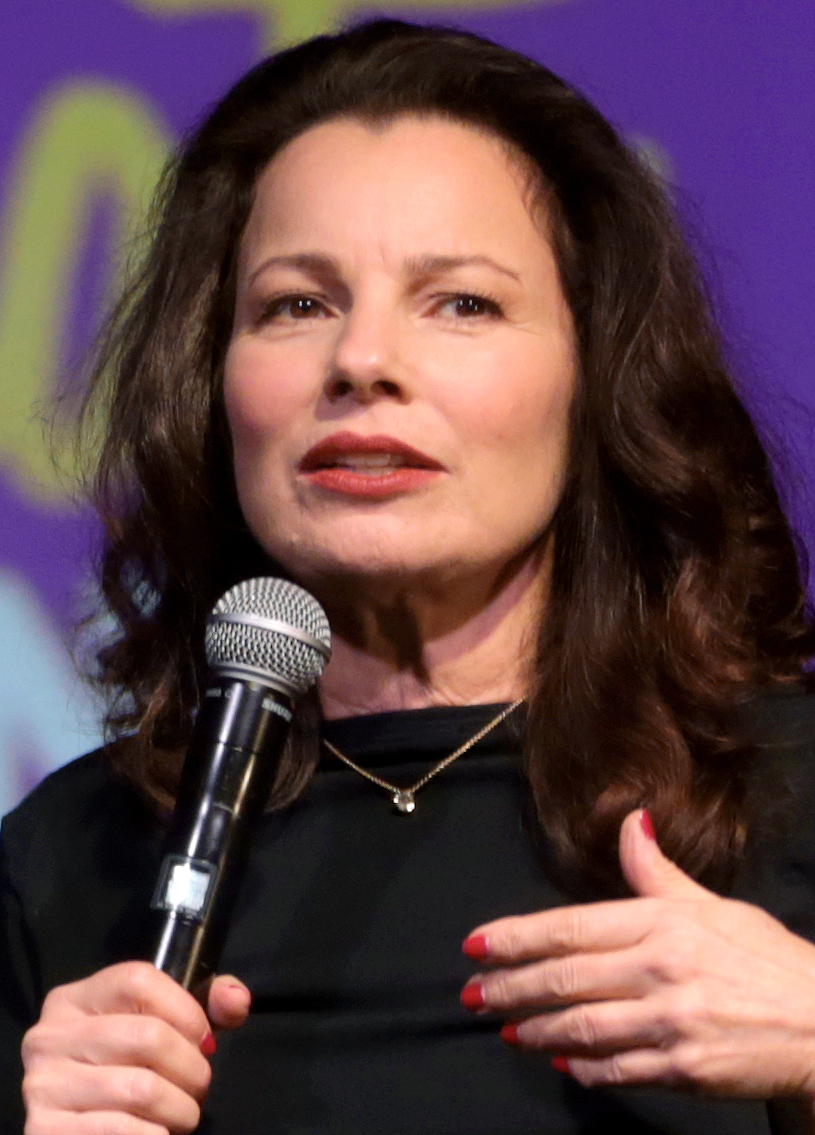


Early life and career beginnings
Drescher was born and raised in New York City into a family of Jewish heritage. She began appearing on screen in the late 1970s, with one of her earliest credited film appearances in Saturday Night Fever. Through guest roles, small film parts and stage work she developed a recognizable comic rhythm that led to broader recognition in television and film during the 1980s and 1990s.
Signature role and screen work
Her best-known role is the title character in the 1990s sitcom The Nanny, which she created and produced as well as starred in; the show made her a household name and showcased her fashion-conscious, high-energy persona. On film she has appeared in mainstream comedies and character pieces, including roles in movies sometimes credited simply by their titles, and she has continued to work in theatre and voice projects. Drescher has written about her experiences in books and memoirs and has used those writings to frame portions of her public advocacy.
Personal life and health
Drescher has been candid about traumatic and medical events that shaped her advocacy. In the mid-1980s she publicly disclosed that she had been sexually assaulted during a violent encounter with armed robbers, a disclosure that informed later activism on victim support. She is also a survivor of uterine cancer, an experience that prompted her to found and support programs promoting early detection and patient navigation, and to campaign for increased public awareness of women’s health issues. She has described elements of her personal and spiritual life in published accounts and is ordained as a minister through the Universal Life Church.
Advocacy and public positions
Outside of entertainment, Drescher has been an active advocate on health and civil-rights topics. She founded or helped lead initiatives focused on cancer outreach and patient assistance and has been visible in support of health education. She has long supported LGBT rights and broader social-equality causes, participating in public events and campaigns. Drescher identifies with the Democratic party and has expressed critical views of economic systems and the influence of capitalism on social outcomes, while continuing to engage in public conversations about policy, culture and the entertainment industry.
Union leadership and later work
In 2021 Drescher assumed a prominent leadership role when she was elected president of the performers’ union SAG-AFTRA, a position that placed her at the center of discussions about labor relations, working conditions and industry practices. Her tenure in union leadership has drawn on decades of experience in television production and public advocacy, combining a celebrity profile with institutional responsibilities.
Reputation and legacy
- She is widely recognized for a comic voice and manner that became a central part of her public identity and media roles.
- Drescher has blended entertainment work with activism, using celebrity to spotlight causes ranging from cancer awareness to civil rights.
- Her career encompasses multiple media—television, film, stage, voice roles—and roles behind the scenes as a director and producer.
- Her public story includes candid discussions of trauma and illness that have informed her outreach and public education efforts.
Fran Drescher remains a visible figure in American popular culture, notable both for a signature sitcom role and for longstanding engagement with social and health issues. For more on particular aspects of her career and activism consult sources on her television and film credits, interviews and organizational work related to sitcom history, writing, directing, and the history of celebrity involvement in comedy and public policy.
Related articles
Author
AlegsaOnline.com Fran Drescher — Actress, Comedian, Producer, and Activist Leandro Alegsa
URL: https://en.alegsaonline.com/art/119204