
Eduard Hanslick: 19th-Century Vienna's Influential Music Critic
A leading 19th‑century critic and theorist, Eduard Hanslick defended ‘absolute music,’ championed Brahms, opposed Wagner and Liszt, and shaped modern music criticism through essays, teaching and public debate.
Eduard Hanslick was a prominent Central European music critic and scholar of the 19th century whose writings helped define debates about musical aesthetics in his lifetime and afterward. Born in Prague and active mainly in Vienna, he combined close musical knowledge with a philosophical defense of what he called the intrinsic beauty of musical form. His career as a reviewer, lecturer and public intellectual placed him at the center of the period’s fiercest artistic controversies. (ref 1, ref 2, ref 3)
Early life and education. Raised in a German-speaking family with musical connections, Hanslick learned piano and studied with important local teachers while also pursuing formal studies in law. Although he did not hold a conservatory degree in composition, he developed a reputation for musical literacy through attentive listening, concert criticism and contacts with leading performers of his day. His professional base became Vienna, where he later taught and adjudicated at festivals and events. (ref 4, ref 5, ref 6, ref 7)
Critical career and major writings. Hanslick wrote for influential newspapers and journals and became a professor responsible for courses that tied historical perspective to music appreciation. His best-known theoretical statement argued that the value of music lies primarily in its formal, sensuous elements rather than in programmatic or extra-musical narratives. That book-length essay remains a standard reference in the history of musical aesthetics. Over many decades he reviewed concerts, judged competitions and published collections of essays that show both deep knowledge and a distinctive argumentative voice. (ref 8, ref 9, ref 10)
Image gallery
4 Images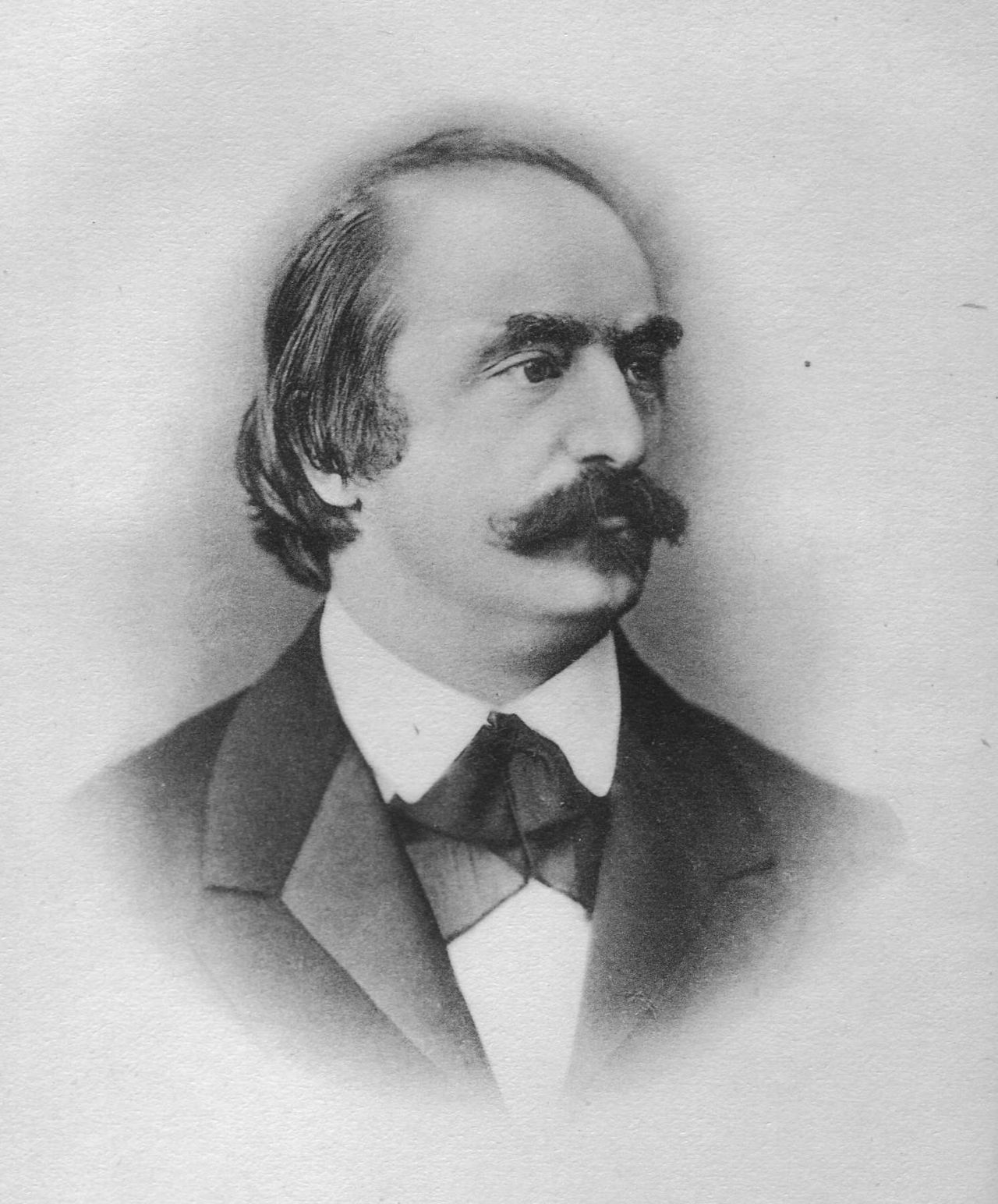


Ideas and aesthetic stance
Hanslick is most often associated with the belief in ‘absolute music’ — the idea that music’s meaning arises from its tonal logic and formal relationships rather than programmatic stories or philosophical symbolism. He emphasized melody, harmony, rhythm and structure as autonomous qualities that should be judged on their own terms. This stance underpinned his criticisms of music that sought to blend literary, theatrical or pictorial programs directly into musical form. (ref 11, ref 12, ref 13, ref 14, ref 15)
Controversies and camps. Because of these principles Hanslick became a leading supporter of composers such as Brahms and Schumann, whose work he praised for formal cohesion, and an outspoken critic of more programmatic or experimental figures like Wagner and Liszt. These disagreements contributed to the so‑called aesthetic polarization known at the time as the ‘War of the Romantics,’ where musicians, critics and audiences lined up on opposing sides. The debates were fought in journals, concert halls and public forums and shaped how later generations would talk about Romantic music. (ref 16, ref 17, ref 18, ref 19, ref 20)
Legacy and notable facts
- Hanslick’s lectures and essays influenced the discipline of musicology and the professional standards of criticism in German-speaking Europe. (ref 21)
- He taught at the University of Vienna and served as a judge at musical festivals, roles that extended his influence beyond newspaper pages. (ref 22, ref 23)
- His public opposition to certain modernist tendencies made him a polarizing figure, often caricatured by opponents and dramatized in contemporary culture. One well-known operatic character is widely read as a satirical nod to his persona. (ref 24, ref 25, ref 26)
- Scholars continue to study Hanslick both for the quality of his close readings and for the way his polemics reveal nineteenth‑century musical values. (ref 27, ref 28, ref 29)
Today Hanslick is read as a central voice in debates over musical meaning: his insistence on the autonomy of musical form remains influential and controversial, and his work offers insight into how critics can shape the reception of composers and entire artistic movements. For further reading consult modern overviews and collected translations of his essays. (ref 1, ref 2)
Related articles
Author
AlegsaOnline.com Eduard Hanslick: 19th-Century Vienna's Influential Music Critic Leandro Alegsa
URL: https://en.alegsaonline.com/art/118122