
Edward Arnold — American character actor and Screen Actors Guild president
Edward Arnold (1890–1956) was a prominent American stage and film actor, known for authoritative supporting roles in 1930s–40s Hollywood and for leading the Screen Actors Guild from 1940–1942.
Edward Arnold (born Günther Edward Arnold Schneider; February 18, 1890 – April 26, 1956) was an American actor whose career spanned stage, film and occasional radio. He became widely recognized in the 1930s and 1940s for portraying powerful, commanding figures — businessmen, political bosses and other larger-than-life supporting characters — and he appeared in a number of high-profile Hollywood productions.
Image gallery
5 Images


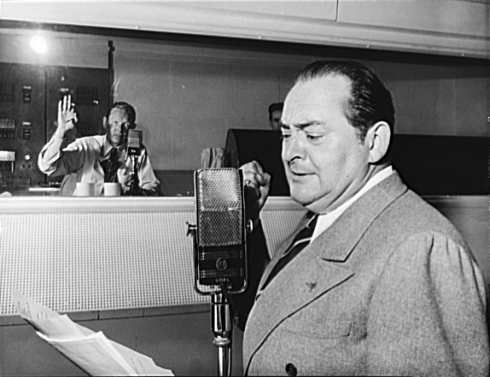
Career highlights and screen persona
Arnold's screen work includes roles in well-known films such as You Can't Take It with You, Mr. Smith Goes to Washington, Meet John Doe, Johnny Eager and The Toast of New York. His booming voice, imposing presence and rock-solid professionalism made him a reliable character actor who could carry dramatic weight and give credibility to both sympathetic and antagonistic parts.
Notable films
- Mr. Smith Goes to Washington — one of the era's most enduring political dramas, in which Arnold contributed to the film's ensemble strength
- You Can't Take It with You — a popular comedy-drama showcasing ensemble performances and a mix of humor and heart
- Meet John Doe — a socially conscious film that reflected the studio era's engagement with contemporary issues
- Johnny Eager and The Toast of New York — examples of Arnold's range in crime and biographical dramas
Early life and stage work
Born with a Germanic name, Arnold began his professional life on the stage before moving into motion pictures as the film industry expanded. Like many actors of his generation, he adapted a theatrical background to the screen, developing a style that balanced theatrical projection with the more intimate demands of cinema. His early stage experience informed a disciplined approach to character and dialogue.
Union leadership and public role
Beyond his acting, Arnold took on industry leadership. He served as president of the Screen Actors Guild from 1940 to 1942, a period when the union was consolidating its role in protecting performers' rights and negotiating with studios. His tenure forms part of the broader history of the Guild and its development as an organization representing screen performers. For institutional context see Screen Actors Guild history.
Later career and legacy
Arnold continued to work steadily in film and occasional radio appearances into the 1950s. Film historians and critics often cite him as a quintessential example of the dependable character actor whose presence helped define the studio era. His ability to embody authority figures made him memorable even in supporting parts, and his performances are frequently referenced in discussions of classic Hollywood acting styles.
Death and further reading
Arnold died in Encino, California, from a cerebral hemorrhage on April 26, 1956, at the age of 66. Contemporary notices and later film reference works summarize his long career and influence. For more on his roles and filmography, consult dedicated film reference sites and archival materials linked through authoritative resources such as the references above.
Related articles
Author
AlegsaOnline.com Edward Arnold — American character actor and Screen Actors Guild president Leandro Alegsa
URL: https://en.alegsaonline.com/art/118129