
Die Meistersinger von Nürnberg: Wagner’s Civic Comedy and Musical Pageant
Richard Wagner’s Die Meistersinger von Nürnberg (1868) is his only comic opera: a three‑act work set in 16th‑century Nuremberg that examines tradition, craft and artistic innovation through a public song contest.
Overview
Die Meistersinger von Nürnberg is a full‑length stage work by Richard Wagner that occupies a unique place in his output as his only sustained comic opera. Wagner prepared the libretto in the early 1860s, completed the music later in the decade, and the work was first presented to the public in Munich in 1868. While long and serious in musical scope, the drama balances humour, civic ritual and lyrical introspection.
Image gallery
2 Images
Historical and cultural setting
The action is set in Nuremberg during the 16th century in what is now Germany. The plot draws on the historical practice of the Meistersinger: a town guild of artisan poets and singers who preserved rules of composition and judged performances. Wagner adapts this civic frame to stage a comedy that also probes questions about how traditions are maintained and how new ideas enter established practice.
Plot summary
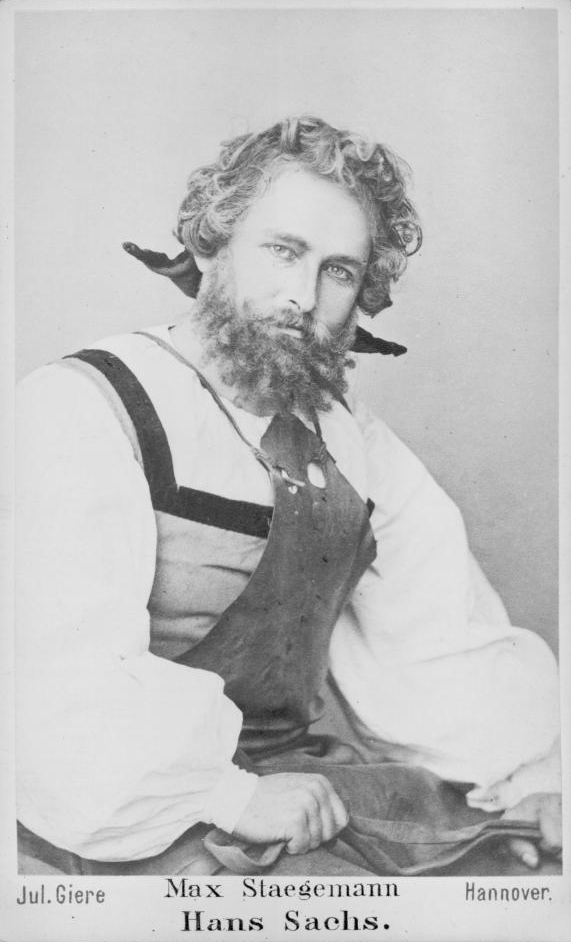
The fictional story concerns a young knight and aspiring composer, Walther von Stolzing, who seeks to win a prestigious public singing competition and thereby gain the hand of the judge’s daughter, Eva. Opposition comes from conservative guardians of the guild’s rules, most notably the pedantic Sixtus Beckmesser, while the sympathetic shoemaker‑poet Hans Sachs, a figure based on a real 16th‑century craftsman and poet, acts as mediator and moral centre. The contest, its lessons in craft, episodes of disguise and scenes of civic festivity provide both comic situations and moments of genuine musical and ethical reflection.
Structure and musical character
Wagner organises the drama in three long acts that combine large choruses, ensembles and extended solo passages. The work blends formal songs—contest pieces, teaching scenes and civic hymns—into Wagner’s continuous musical discourse. Recurring melodic ideas tie character and community together, while choruses evoke workshops, marketplaces and celebratory gatherings. The role of Hans Sachs is notable for its dramatic centrality and vocal demands.
Themes and dramatic oppositions
The opera stages a debate between respect for established rules and the claims of individual creativity. Walther stands for innovation and the possibility of renewing musical language within tradition; the guild officers personify the authority of form; Sachs represents humane judgement and the idea that art serves public life. Comedy and seriousness intermingle as the piece asks how communities judge artistic work and how standards are transmitted across generations.
Performance history and reception
Since its first performances the opera has provoked varied responses: admiration for its choral writing and dramatic richness, together with discussion about its length and mixture of tone. It has remained a staple of the repertory because it foregrounds ensemble and choral forces and offers a complex leading role. Directors often stage it either as a period pageant or as a vehicle for contemporary reflection on culture, authority and artistic value.
Practical considerations for productions
- Principal roles: Walther von Stolzing, Eva, Hans Sachs and Sixtus Beckmesser form the dramatic core.
- Choral importance: Large chorus scenes portray civic life and are central to the drama’s public character.
- Staging options: Companies may choose historicist costume and sets or modern reinterpretations that highlight social and political resonances.
Interpretation and controversies
Interpretations of the opera have at times been controversial because of wider associations of Wagner and nineteenth‑century German cultural ideas. Scholars and performers discuss the work cautiously, distinguishing its dramatic and musical achievements from retrospective ideological readings. In performance, emphasis on Sachs’s humanity and the communal celebration of music often mitigates polemical readings.
Recordings and further reading
The opera has been recorded and staged frequently; different versions of the score and various editorial traditions exist in the discography and repertory. For those seeking more information, standard reference works on Wagner, histories of nineteenth‑century opera and studies of civic musical culture in Germany provide useful context. Articles and program notes in opera house archives offer production histories and interpretive essays.
Die Meistersinger von Nürnberg thus remains important for its rare combination of civic spectacle, comic elements and deep musical reflection on tradition, craft and innovation. Its mixture of public ritual, personal feeling and musical argument keeps it a work of continuing interest for performers, scholars and audiences alike.
Questions and answers
Q: What is Die Meistersinger von Nürnberg?
A: Die Meistersinger von Nürnberg (The Mastersingers of Nuremberg) is an opera by Richard Wagner. It is the only comic opera that Wagner wrote.
Q: When was it written and first performed?
A: Wagner wrote the words (the libretto) in 1862 and composed the music in 1867. It was first performed in Munich in 1868.
Q: Where does the story take place?
A: The story is set in the town of Nuremberg (German: Nürnberg) in 16th century Germany.
Q: Who are the Mastersingers?
A: The Mastersingers (German: Meistersinger) were a guild of singers in Germany many centuries ago. The most famous of them was a man called Hans Sachs, who lived in the 16th century.
Q: Is Hans Sachs a real person or made up by Wagner?
A: Although Hans Sachs was a real person, the story of the opera was made up by Wagner.
Q: What is the plot about?
A: It is a story about a song contest.
Q: What genre does this opera fall under?
A; This opera falls under comedy genre as it is Wagner's only comic opera
Related articles
Author
AlegsaOnline.com Die Meistersinger von Nürnberg: Wagner’s Civic Comedy and Musical Pageant Leandro Alegsa
URL: https://en.alegsaonline.com/art/27262