
University of Vienna
Founded in 1365, the University of Vienna (Universität Wien) is Austria's largest and one of Europe's oldest universities, offering a wide range of faculties, research centers, and cultural influence in Vienna.
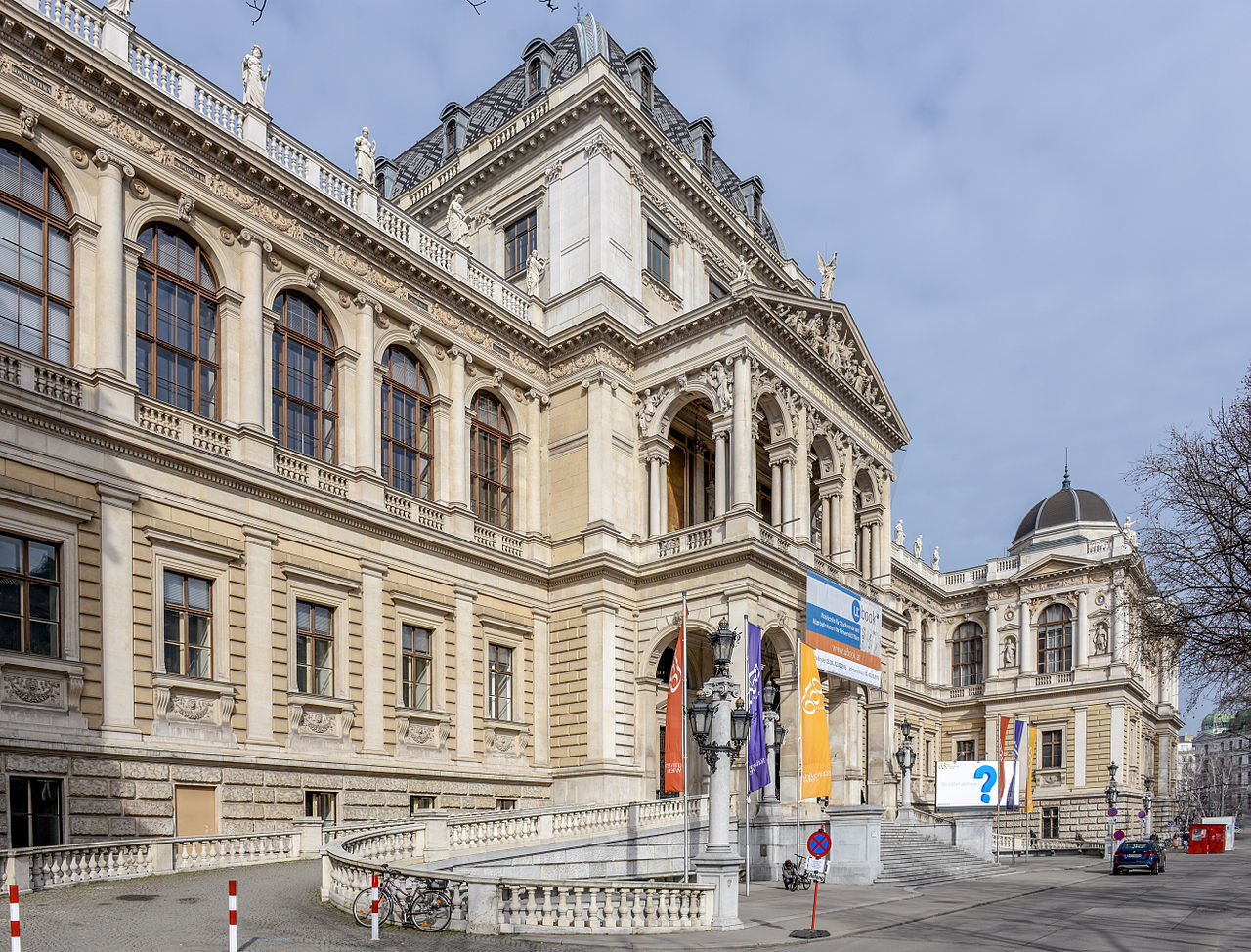
The University of Vienna, known in German as Universität Wien, is a public research university located in the city of Vienna in Austria. Established in 1365 by Duke Rudolph IV (the founding date), it is the oldest institution of higher learning in the German-speaking world and remains the largest university in Austria and one of the major universities in Europe. The university combines a long historical tradition with a broad modern portfolio of academic programs and research activities.
Image gallery
10 Images





Overview and organization
The university is a public institution (public university) organized into numerous faculties and departments covering the humanities, social sciences, law, natural sciences, medicine, theology and business-related fields. Programs range from undergraduate degrees to doctoral research, and the campus network is distributed across several locations in Vienna, including historic central buildings and specialized research facilities. A central university library and multiple specialized libraries support teaching and scholarship.
History and development
Founded in the High Middle Ages, the University of Vienna developed through the medieval, Habsburg and modern periods. Over centuries it has evolved from a cathedral and court-centered foundation to a large, secular university. Reforms in the 19th and 20th centuries expanded its faculties and research role; in the postwar era it modernized curricula and infrastructure to serve a growing and diverse student population.
Academic profile and significance
The university is known for strong programs in medicine and the humanities and for contributing to intellectual life in the German-speaking world. Its alumni and faculty have included influential physicians, jurists, scholars and public figures. For example, the medical faculty educated notable practitioners and researchers who shaped modern medicine. Research covers basic and applied sciences, social science inquiry and cultural studies.
Facilities, research and public role
- Multiple faculties and interdisciplinary institutes located across Vienna.
- Extensive library collections and archival resources.
- Active research groups, doctoral schools and international collaborations.
- Public events, lectures and cultural programs connecting the university to city life.
As a long-established center of learning, the University of Vienna continues to balance historical heritage with contemporary research and teaching, serving students from Austria and around the world.
Related articles
Author
AlegsaOnline.com University of Vienna Leandro Alegsa
URL: https://en.alegsaonline.com/art/103373