
1825
A concise survey of the year 1825: major political events, uprisings, infrastructure milestones, the early industrial and financial crises, and their historical significance.
Overview
The year 1825 witnessed a mix of political upheaval, nation-building in the Americas, and accelerating technological change in transport and finance. Several events from that year—ranging from uprisings in Europe to the opening of major transport links—left lasting marks on national histories and on the wider process of 19th-century modernization.
Image gallery
10 Images




Politics and uprisings
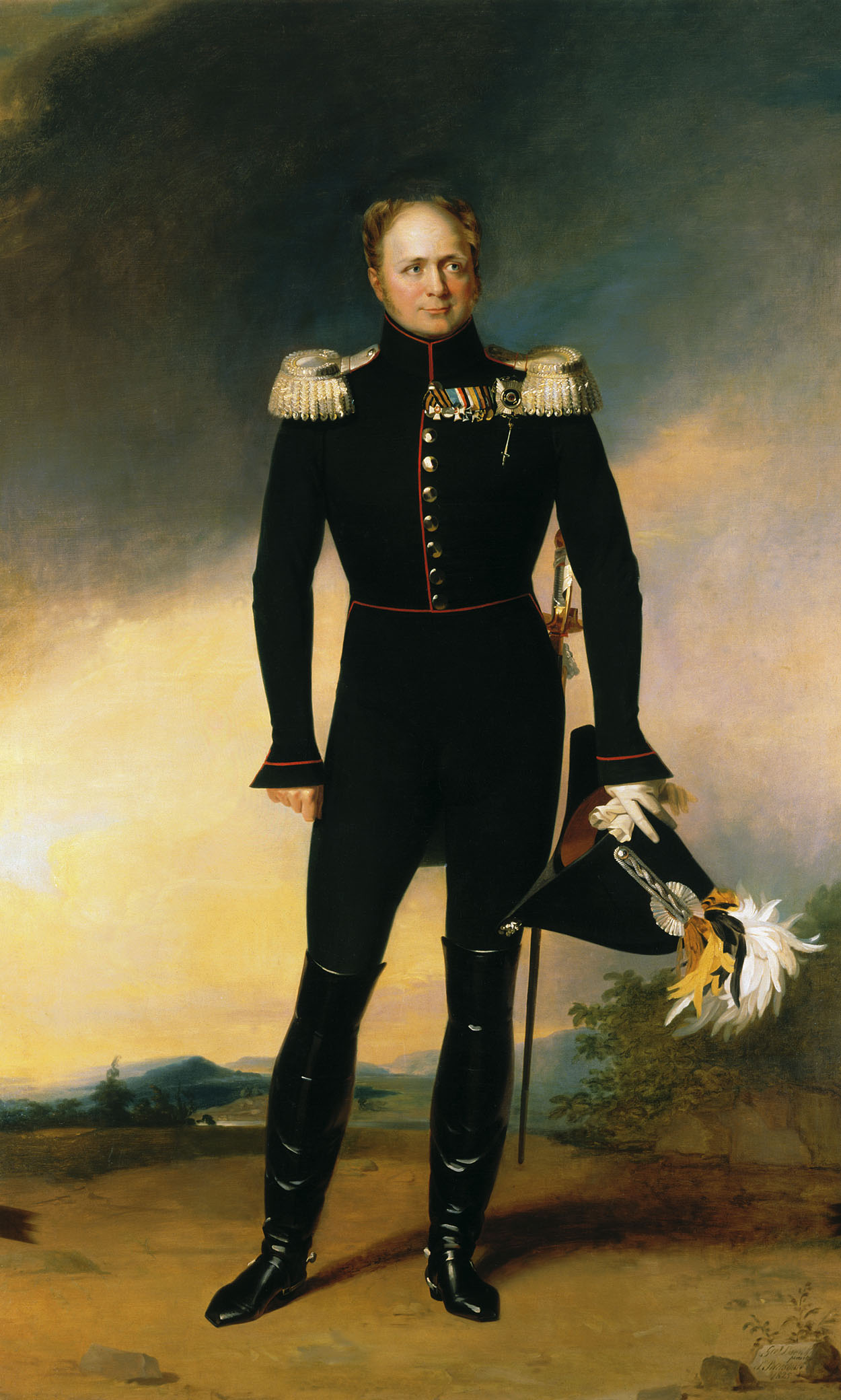
In Russia the Decembrist uprising of 26 December 1825 brought to a head elite opposition to autocratic succession after the death of Tsar Alexander I; it was suppressed, and its leaders were punished under the new Tsar Nicholas I. In South America, 1825 was a decisive year for emergent states: the Congress of Upper Peru proclaimed the independence of the new Republic of Bolivia, and local leaders in the Eastern Province moved toward the declaration of Uruguay’s independence on 25 August 1825.
United States and other developments
In the United States John Quincy Adams began his presidency on 4 March 1825, following a contentious election the previous year settled by the House of Representatives. Domestic improvements continued, most visibly with the official opening of the Erie Canal on 26 October 1825, which dramatically shortened water transport between the Atlantic and the North American interior.
Industry, transport and finance
Rail and canal projects signaled the spread of industrial-era infrastructure. The Stockton and Darlington Railway in northern England opened in September 1825 and is often cited as an early public railway to use steam locomotives in regular service. Meanwhile, 1825 also saw a major financial panic in Britain: speculative investment, especially tied to Latin American ventures, contributed to a market crash and banking failures that have been described as one of the first modern financial crises.
Cultural and scientific context
The mid-1820s were also a period of rapid change in communications, science and the arts. Early experiments that would lead to practical photography and advances in steam technology were underway, while literature, music and visual arts continued to reflect the political and social tensions of the age.
Significance and legacy
- Decembrist repression shaped Russian conservative politics under Nicholas I for decades.
- Independence declarations in Bolivia and Uruguay contributed to the consolidation of nation-states in Latin America.
- Transport milestones such as the Erie Canal and early railways accelerated commerce and regional integration.
- The Panic of 1825 foreshadowed the broader economic cycles and regulatory challenges of industrial capitalism.
Related articles
Author
AlegsaOnline.com 1825 Leandro Alegsa
URL: https://en.alegsaonline.com/art/111779