
Music festival: overview, types, history, and cultural impact
A music festival is a public event built around live musical performance. This article describes typical features, historical development, organizational models, types, and cultural and economic impacts.
A music festival is a public event organized around live musical performance and communal audience experience. Festival formats vary widely: single-day gatherings, multi-day events with camping, urban site-based festivals, and touring showcases. While many are staged outdoors, indoor and hybrid events are common. Festivals often combine music with food stalls, markets, art installations, workshops and family activities to create a broader cultural occasion; see a general festival overview and the wider music context for background.
Image gallery
7 Images


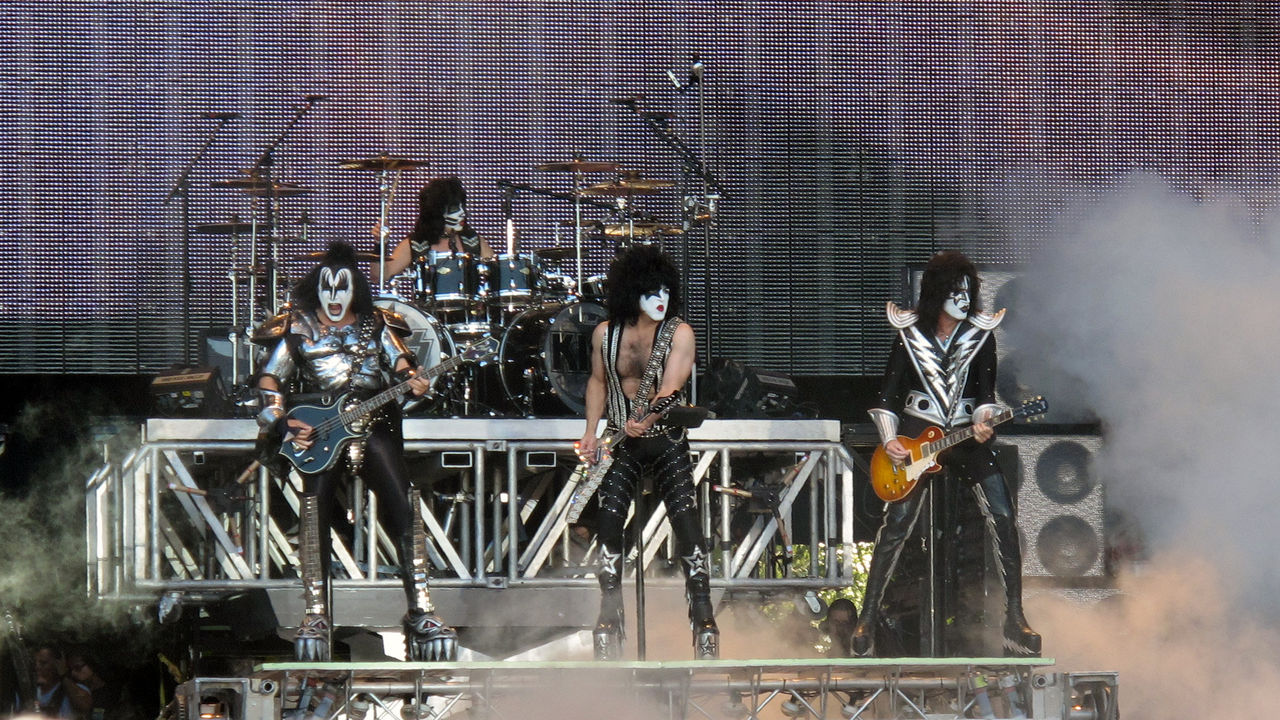
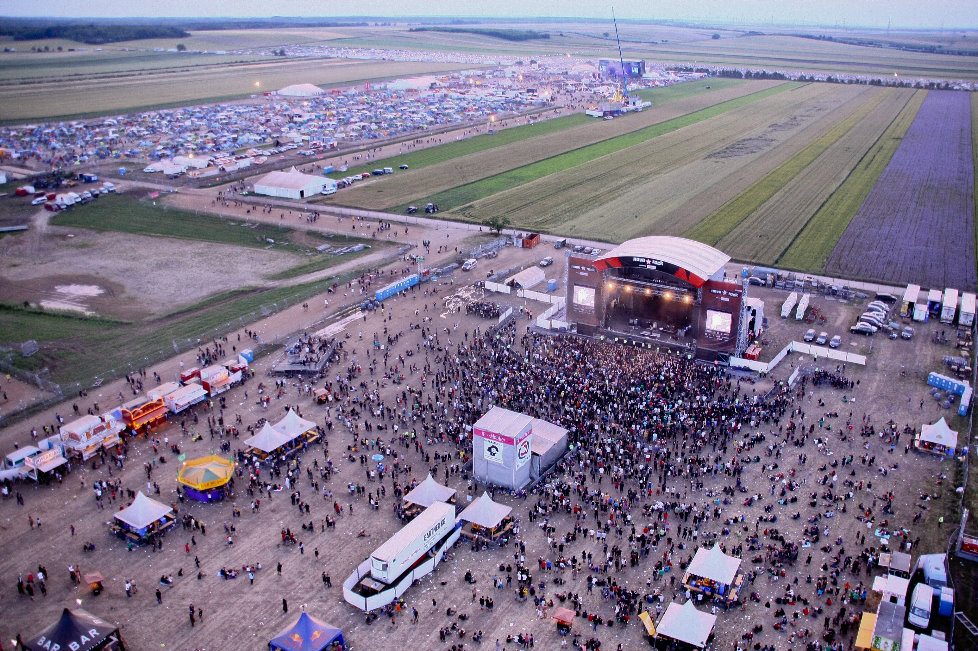
Common features and components
Typical elements that shape a festival include programming and lineup, site layout, multiple stages, lighting and sound systems, vendor areas and audience services. Many festivals provide on-site accommodation, first aid and security, sanitation, and accessibility facilities. Organizers balance artistic aims with logistics such as crowd flow, scheduling, and environmental measures. Practical guidance on food and vendor arrangements is often consulted by event teams here, and ideas for participatory attractions and games are available here.
- Multiple scheduled performances and artist lineups across stages.
- Support services: ticketing, accreditation, medical and security provision.
- Ancillary programming: workshops, talks, community projects and commissions.
- Income models: ticket sales, sponsorship, merchandising, grants and donations.
Guidance on partnership development, sponsorship and wider entertainment programming can be found here. Festivals commonly adopt a theme by genre or cultural focus, for example genre-specific programming or events celebrating national traditions; see notes on genre themes here and nationality-focused events here.
History and patterns
Large communal music gatherings have antecedents in religious and seasonal celebrations. The modern public music festival, as a scheduled multi-act event for general audiences, took shape in the 20th century with classical, folk, jazz and later rock and electronic forms expanding the model. Many festivals recur annually, while others are one-off or periodic events; industry calendars and programme listings are collected here and research on event intervals appears here.
Types, roles and challenges
Festival types include classical and folk festivals, contemporary genre festivals (rock, jazz, electronic), community and cultural celebrations, destination or boutique events, charity benefits, and industry showcases. They play roles in artist exposure, tourism and local economic activity, community building and cultural expression. However, festivals also raise issues around noise, environmental impact, crowd safety and the effects of tourism on local communities. Organizers and stakeholders must consider sustainability measures, stakeholder consultation and legacy planning.
Financial and governance arrangements differ: some festivals operate as commercial enterprises, aiming for profit, while others are run by non-profit organisations or as charity events. Practical discussions on commercial operation and business planning can be consulted here, while information on charitable models and governance is available here.
In practice, successful festivals combine clear artistic vision with robust logistical planning, community engagement and careful attention to safety and environmental impact. They remain important cultural platforms for live music and collective experience, adaptable to changing audience expectations and public health and environmental priorities.
Related articles
Author
AlegsaOnline.com Music festival: overview, types, history, and cultural impact Leandro Alegsa
URL: https://en.alegsaonline.com/art/67740