
Caricature
An illustrated portrayal that deliberately exaggerates distinctive features for comic, satirical, or critical effect; used in art, journalism, entertainment, and public commentary.
Overview
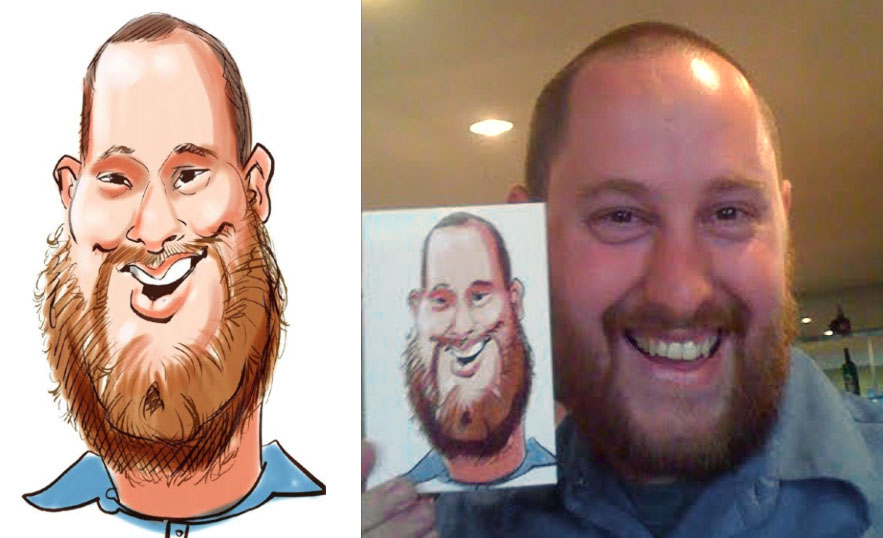
A caricature is an image in which a person's distinctive physical or behavioral traits are deliberately exaggerated to create a recognizable but distorted likeness. Often made as a portrait or a drawing, caricature can be playful, critical, or both. It balances recognizability with exaggeration so viewers immediately identify the subject while perceiving an amplified characteristic—such as an oversized nose, pronounced expression, or characteristic posture.
Image gallery
10 Images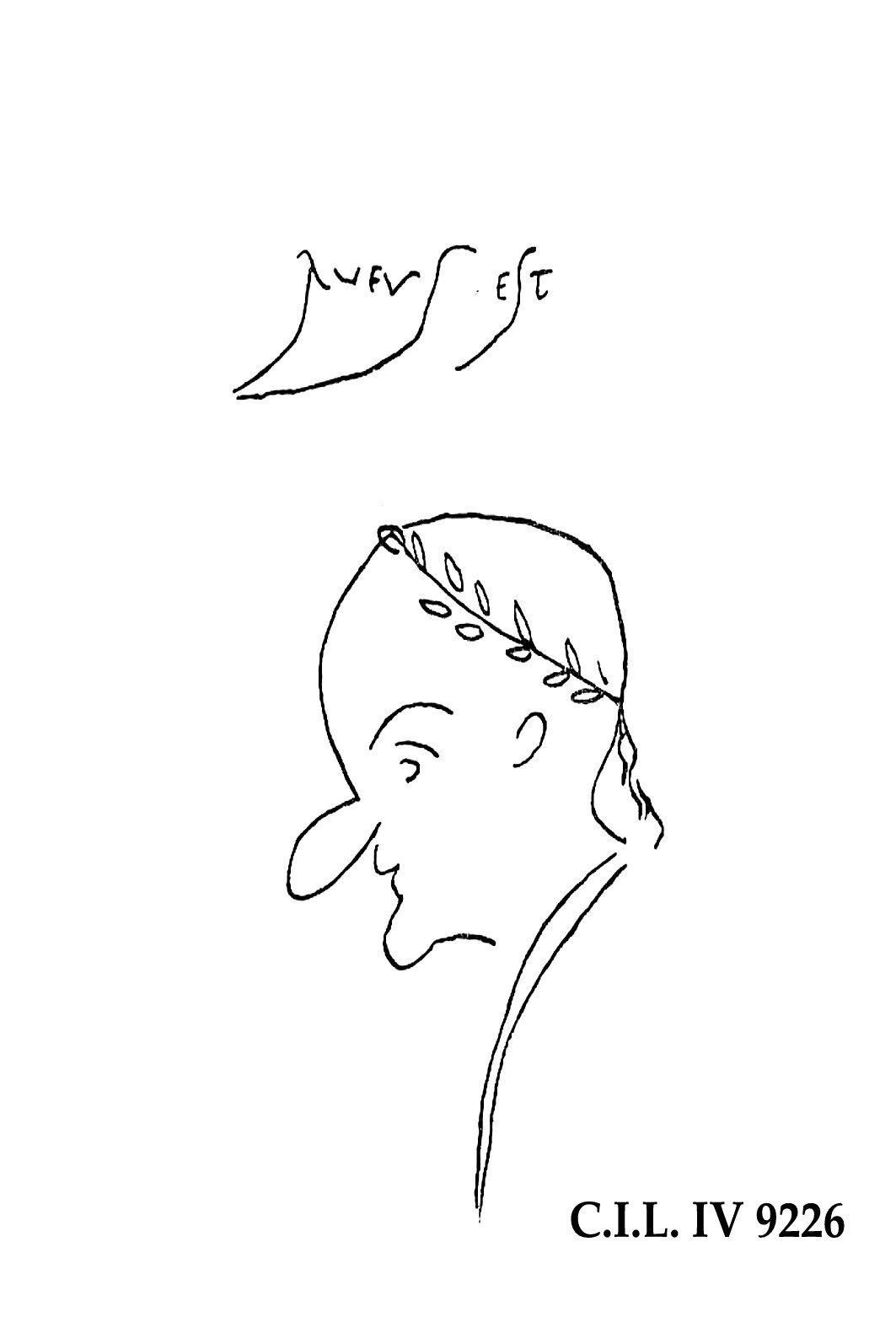



Characteristics and technique
Artists use simplification, distortion, emphasis, and contrast to convey personality or social meaning. Key techniques include elongating or compressing facial features, emphasizing gestures, and reducing nonessential detail. Caricature may be rendered in pencil, ink, paint, sculpture or digital media; it commonly relies on economy of line, visual metaphor, and juxtaposition to communicate quickly.
History and development
The practice has roots in early portrait satire but became prominent in print culture and popular illustration. As mass-printing and newspapers expanded, caricature evolved into a powerful form of social commentary widely used in satirical journals and political cartoons. Well-known practitioners helped shape conventions that continue in contemporary editorial art and popular entertainment.
Uses and examples
- Political satire: lampooning leaders and policies in newspapers and magazines.
- Entertainment: live caricaturists at events produce humorous keepsakes.
- Illustration: book, magazine and online imagery to emphasize traits or themes.
- Education and study: analyzing visual rhetoric, gesture and cultural stereotype.
Distinctions and notable considerations
Caricature differs from straightforward portraiture by intention: a portrait seeks likeness and often flattery, while a caricature seeks commentary through exaggeration. It can be provocative and occasionally offensive when it reinforces stereotypes or targets vulnerable groups; conversely, it has long been valued as a tool for critique, dissent, and comedy. Understanding caricature involves recognizing both its artistic methods and its social impact.
Related articles
Author
AlegsaOnline.com Caricature Leandro Alegsa
URL: https://en.alegsaonline.com/art/16978