
Western civilization
Overview of Western civilization: origins, core features, historical development, regions commonly associated with it, cultural influence, and contemporary debates about Westernization.
Overview
Western civilization refers to a broad set of cultural, political and intellectual traditions that trace significant influence to ancient Greece and Rome and to the religious and legal developments of Christian Europe. Its institutions and values include systems of law, forms of governance such as democracy, philosophical commitments that evolved into modern liberalism, and distinct artistic and scientific practices. The phrase is used in both descriptive and normative ways: to describe a cluster of societies sharing certain historical roots, and to invoke a set of ideals often associated with modernity.
Image gallery
10 Images






Core characteristics
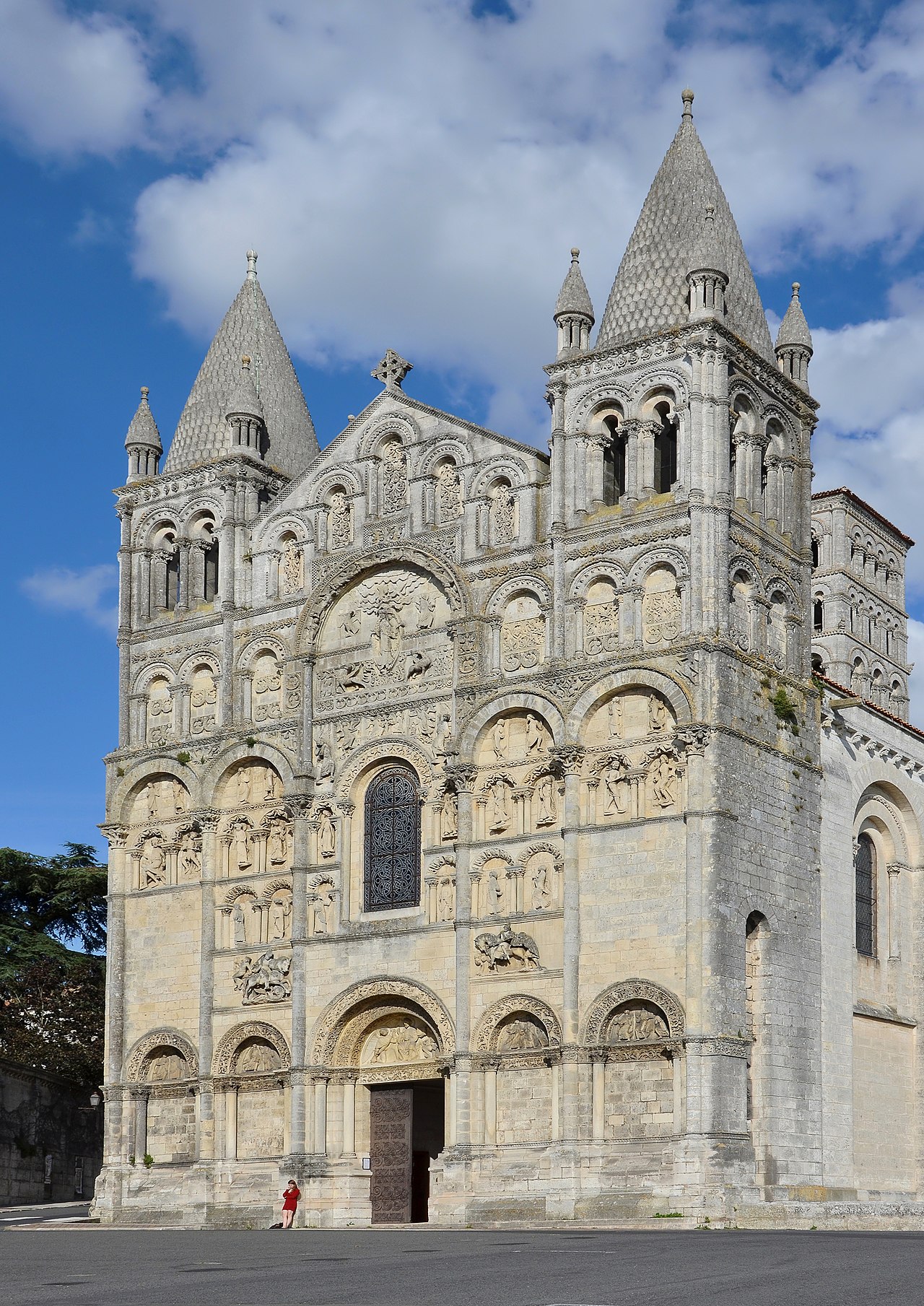
Common elements associated with Western civilization include the legacy of Roman law and administration (Roman heritage), the role of Western Christianity and its major branches such as Catholicism and Protestantism, the emergence of representative institutions and individual rights, and sustained investment in science, literature and the arts. These traits have evolved and been contested within Western societies, producing a variety of legal systems, political arrangements and cultural expressions.
Geographic scope and contested boundaries
In common usage the term covers much of Western Europe and Central Europe, and settler societies that developed Anglo-European institutions such as English-speaking North America, Australia and New Zealand. Some countries and regions have mixed or disputed identities: Latin America, parts of South Africa, Israel, the Philippines and Singapore are often described as blending Western and local traditions. Debates about membership emphasize language, religion, legal systems and cultural self-understanding.
Historical development
The roots of the Western tradition lie in ancient Mediterranean civilizations and the institutional imprint of Rome. During the medieval period, society was shaped by the influence of the Church and by feudal political structures. The Renaissance and later the Age of Enlightenment fostered humanism, scientific inquiry and secular thought; the long process of secularization shifted many institutions away from exclusively religious authority. From the early modern era onward, colonial expansion and global trade carried European languages, legal systems and cultural practices to other continents.
Transmission and transformation
The spread of Western institutions has taken many forms. Examples include Romanization of ancient Europe, the Hispanization of the Americas, the Anglicization of settler colonies, and later Francophone influence in parts of Africa. Contemporary cultural influence is often described as Americanization, visible in global media and entertainment such as Hollywood. This process—sometimes called Westernization—can mean institutional change, adoption of technology, or shifts in legal and educational models.
Importance and controversies
Western civilization has contributed influential ideas about governance, science, human rights and artistic forms. At the same time it is a focus of debate: some praise its contributions to individual liberty and technical progress; others critique its role in colonialism, cultural imperialism and economic dominance. Questions about inclusion and identity remain active. For example, conversion to Christianity has extended Western-style religious majorities into parts of Africa, complicating simple geographic definitions of the West, a situation some historians once labeled Christendom.
Summary
- Western civilization combines shared institutions, intellectual traditions and cultural forms rooted in Europe and the Mediterranean.
- Its reach is geographically and culturally uneven; core areas include much of Europe and certain settler states.
- Its influence spread through conquest, colonization and cultural exchange, and today is shaped by global flows and local responses.
For further introductory material see links on law, religion and institutions: Roman heritage, Western Christianity, democracy, and examples of contested regions such as Latin America and Singapore.
Additional references and deeper studies can explore the many regional variants and the continuing debates over what the term "West" should mean in a connected world.
Related articles
Author
AlegsaOnline.com Western civilization Leandro Alegsa
URL: https://en.alegsaonline.com/art/107499