
Western Schism (1378–1417)
Period in which multiple rival claimants to the papacy divided the Roman Catholic Church (1378–1417); ended by the Council of Constance with the election of Martin V and spurred conciliar reform efforts.
Overview
The Western Schism, sometimes called the Papal Schism or Great Schism of the West, was a prolonged crisis in the Roman Catholic Church between 1378 and 1417 during which two and at one point three men simultaneously claimed to be the legitimate pope. The dispute was primarily political and institutional rather than theological, and it fractured Christendom by dividing loyalties among European monarchs, universities and local churches.
Image gallery
4 Images

Causes and context
The schism followed the return of the papacy from Avignon to Rome and the death of Pope Gregory XI. Questions about the validity of the election that produced the Roman claimant, rival ambitions among cardinals, and heavy involvement by national rulers produced competing obediences. The situation was worsened by the broader tensions of late medieval politics: dynastic rivalry, territorial ambition and the influence of powerful courts on ecclesiastical appointments.
Course and key interventions
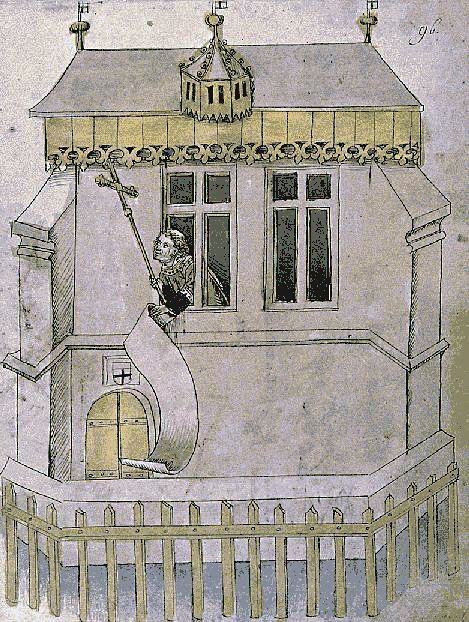
After the initial split, the existence of two rival curias—one in Rome and one in Avignon—continued for decades. A reinvigorated attempt to end the impasse took place at the Council of Pisa in 1409, which attempted to depose both claimants and elected a third, producing a threefold division. The schism was conclusively addressed by the Council of Constance (1414–1418), which deposed or accepted the resignation of the rival pontiffs and elected Martin V, restoring a single papal line and reasserting central authority in Rome. The Council of Constance itself played a major role in shaping ideas about conciliar authority in the church.
Major claimants and rival courts
- Roman line (beginning with Urban VI) — supported by some Italian states and other allies.
- Avignon line (beginning with Clement VII) — supported by France and its allies; later represented by Benedict XIII and others.
- Pisan claimant (elected 1409) — a later effort that produced additional division until the Council of Constance resolved the matter.
Consequences and significance
The schism inflicted long-lasting damage on papal prestige and accelerated demands for institutional reform. It gave momentum to the conciliar movement, which argued that general councils could have authority over a pope in matters of reform and crisis. Although conciliarism declined later, the events of the schism helped shape later debates about church governance and contributed indirectly to the environment of criticism that culminated in the Reformation in the sixteenth century.
Notable facts
While political factors dominated, the crisis also affected liturgy, administration and everyday religious life by creating competing calendars of appointments and contested legal acts. The resolution at the Council of Constance and the election of Martin V are widely seen as restoring juridical unity, though the memory of the schism continued to influence ecclesiastical politics and reformers for generations. For more on the papal office and its development see the papacy, and for a detailed study of the resolution see materials related to the Council of Constance.
Related articles
Author
AlegsaOnline.com Western Schism (1378–1417) Leandro Alegsa
URL: https://en.alegsaonline.com/art/107538
Sources
- newadvent.org : "Western Schism,"