
Christendom: the historical and cultural concept of the Christian world
Christendom denotes the social, political and cultural sphere shaped by Christianity — historically used for a unified Christian polity and today applied to cultural influence, institutions, and communities worldwide.
Overview
Christendom is a broad term that refers to the societies, political formations, and cultural networks shaped by the presence and influence of Christianity. Historically it described areas where Christian belief and institutions were dominant and where shared religious identity affected law, education, art, and governance. The idea can denote both an idealized unity of believers and the practical geography of states and regions with Christian majorities.
Image gallery
10 Images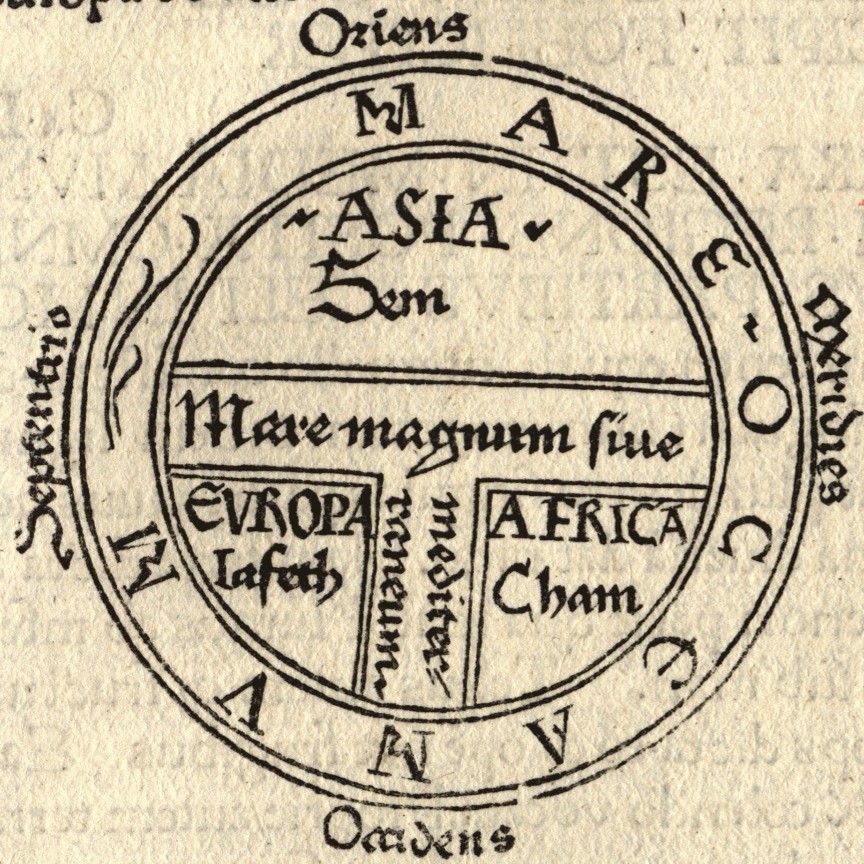


History and development
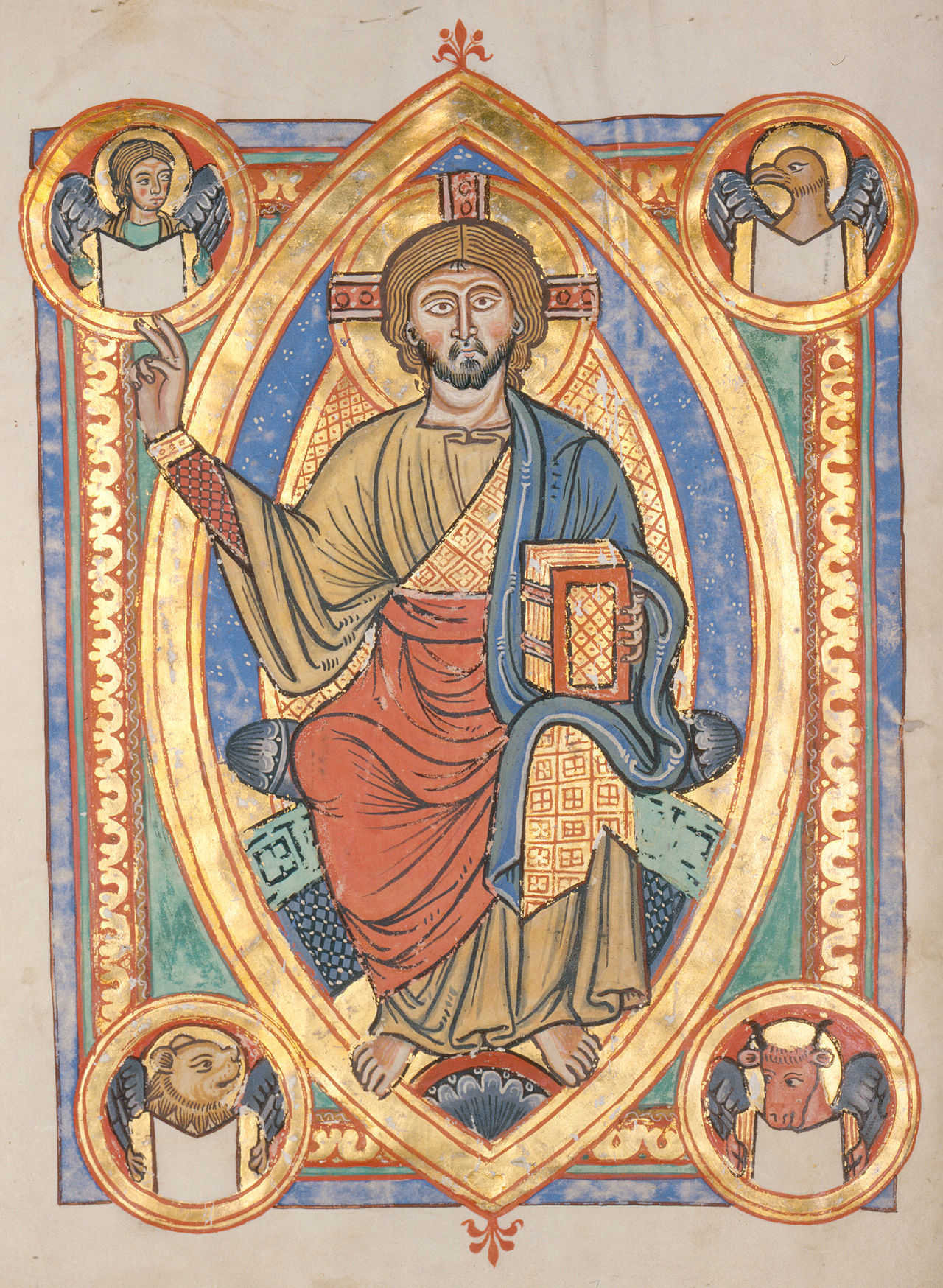
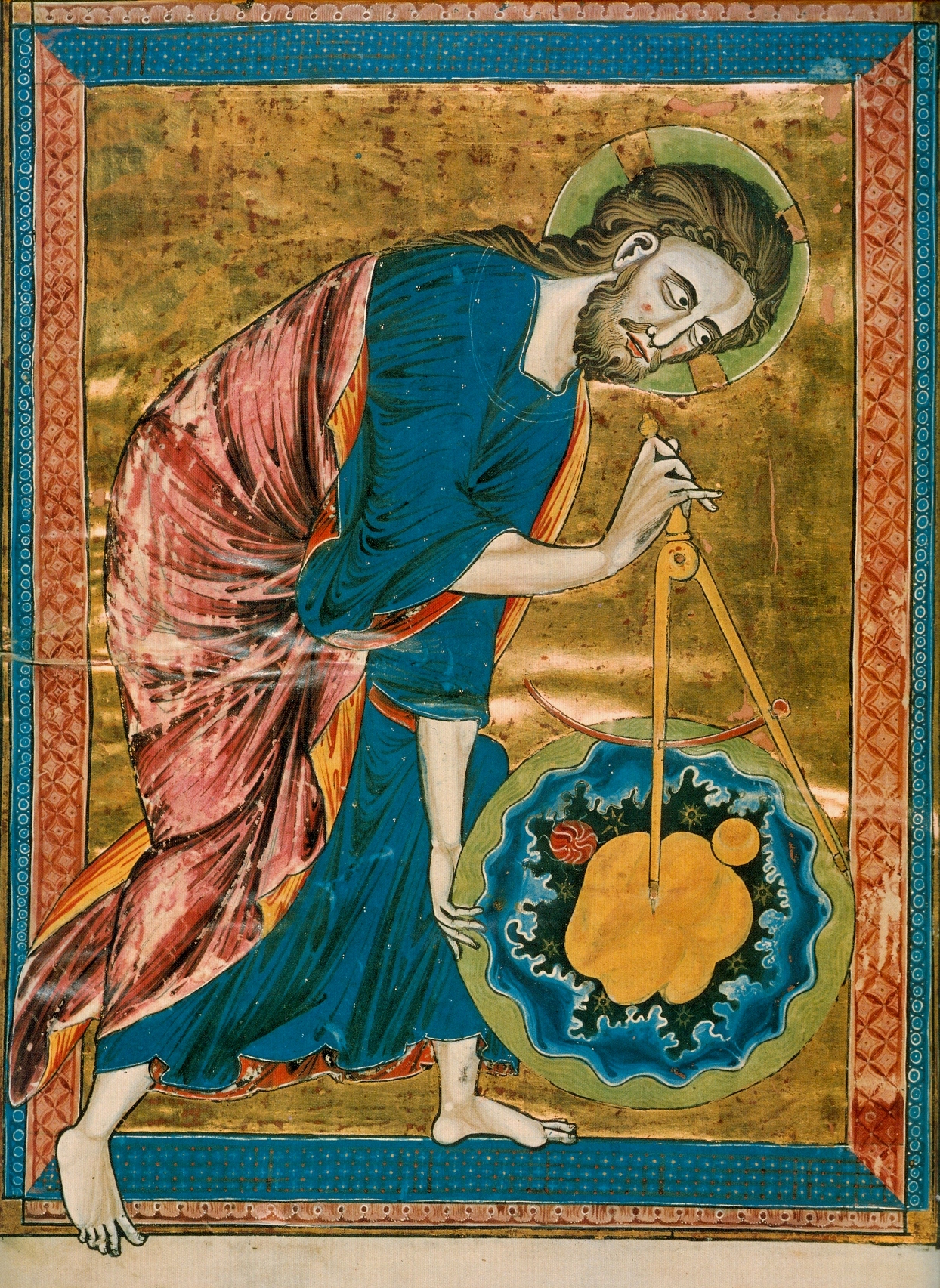
Its meaning evolved over centuries. In late antiquity and the early Middle Ages, the Roman imperial structures and growing Church institutions helped form an interconnected Christian world. During the high medieval period many writers and rulers treated Christendom as a single spiritual body with Christ as head; this influenced ideas of universal authority and common law. The later Middle Ages and Renaissance retained aspects of this unity even as political fragmentation increased.
The Reformation and the rise of modern nation-states in the 16th and 17th centuries challenged the notion of a single, institutionally unified Christian polity. Different confessions and competing sovereigns created religious pluralism within Europe. Overseas expansion spread Christian institutions and practices globally, shaping encounters with non-Christian societies and contributing to cultural exchange and conflict.
Structure, institutions, and influence
Christendom is not a single organization but a network of institutions and practices. Important elements include:
- Religious institutions: dioceses, monasteries, and churches that provided worship, charity, and education.
- Political connections: alliances and laws influenced by Christian doctrine, and the idea of a Christian commonwealth.
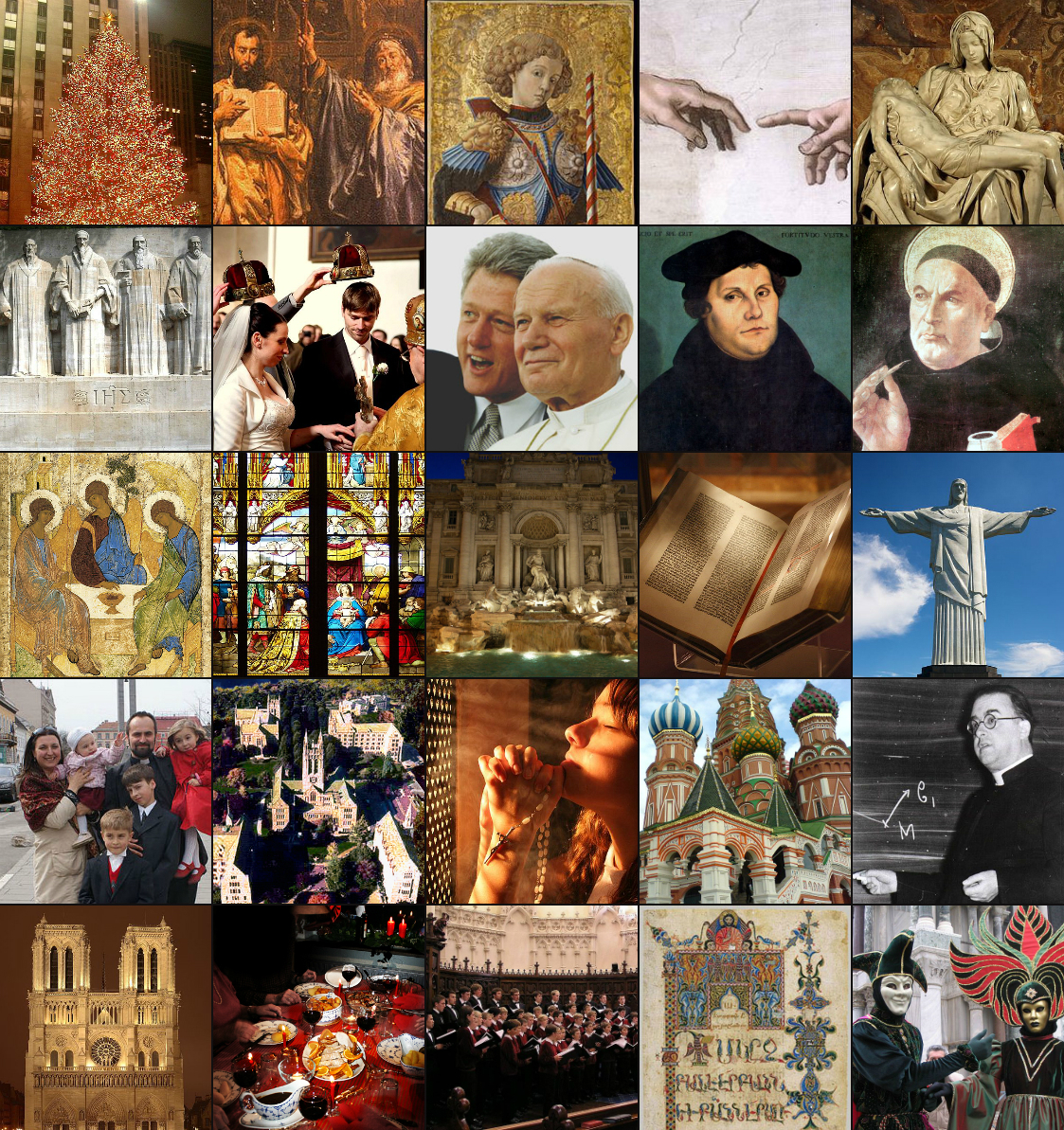
- Cultural production: art, literature, and architecture inspired by Christian theology and ritual.
- Social norms and charities: hospitals, schools, and welfare often organized by Christian bodies.
These features persisted even as their forms changed under the pressures of reform, secularization, and modernization. For further context on medieval ideas of unity see medieval scholarship, and for cultural transitions during the Renaissance consult Renaissance studies.
Modern meanings and distinctions
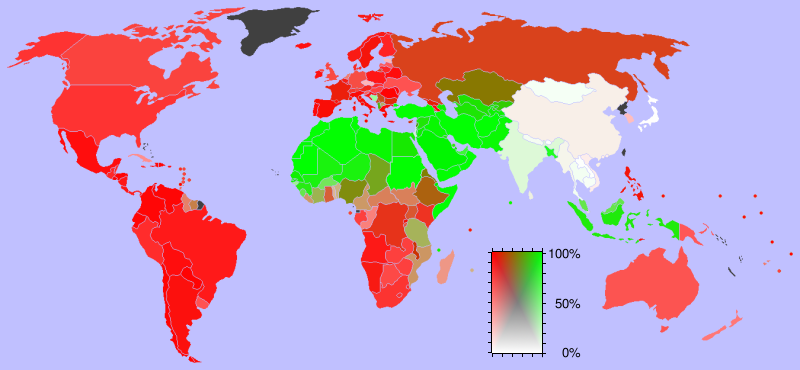
Today the term can describe cultural heritage, demographic patterns, or political aspirations tied to Christian identity. It is distinct from the theological concept of the Church: Christendom emphasizes collective social ordering and power, whereas the Church primarily denotes religious community and worship. Debates about the term touch on secularization, pluralism, and the legacy of colonialism.
Scholars and commentators use Christendom in different ways: as a historical phase, as shorthand for Western Christian cultural influence, or as a rhetorical claim in contemporary politics. For introductions to these debates see general overviews of Christian-majority societies and discussions of early modern change at reformation-era studies.
Notable facts: Christendom is a flexible label. It can describe a medieval ideal of religious unity, the tangible web of institutions that governed daily life, and the long-term cultural imprint of Christianity across regions and eras.
Questions and answers
Q: What is meant by Christendom?
A: Christendom refers to Christianity as a territorial phenomenon, specifically countries where most people are Christians.
Q: How has the understanding of Christendom changed over time?
A: The understanding of Christendom has changed from the medieval and Renaissance view of the Christian world as one single Body of Christ to a modern idea of a diverse society consisting of many different communities.
Q: What does it mean for Christ to be the head of the Body of Christ?
A: In the medieval and Renaissance understanding of Christendom, Christ was seen as the head of the single Body of Christ, embodying the Christian world.
Q: When did the understanding of Christendom begin to change?
A: The understanding of Christendom began to change during the early 16th century with the rise of Modernity and the Reformation.
Q: How is Christendom related to Christianity?
A: Christendom refers specifically to countries where most people are Christians, making it related to the religion of Christianity.
Q: Can countries outside of Christendom have significant Christian populations?
A: Yes, countries outside of Christendom can still have significant Christian populations, but they would not be considered part of Christendom.
Q: How has the modern understanding of Christendom affected society?
A: The modern understanding of Christendom as a diverse society consisting of many different communities has led to a more tolerant and accepting society.
Tags
Related articles
Author
AlegsaOnline.com Christendom: the historical and cultural concept of the Christian world Leandro Alegsa
URL: https://en.alegsaonline.com/art/20060
Sources
- books.google.com : The Christian World: A Global History