
Western saloon: social hub of the American Old West
An overview of the Western saloon — its design, services, entertainments, social role, and lasting cultural influence during the 19th-century American frontier.
Overview
A Western saloon was a frontier-style bar that served as a commercial and social center in towns, mining camps, and along migration routes of the American Old West. These establishments combined alcoholic drinks, food, games, music, and a place to gather news. Saloons varied widely in size and character: some were rough, single-room affairs frequented by cowboys and laborers; others were more elaborate venues that catered to wealthier patrons and entertained with music and dancing.
Image gallery
10 Images





Design and typical features
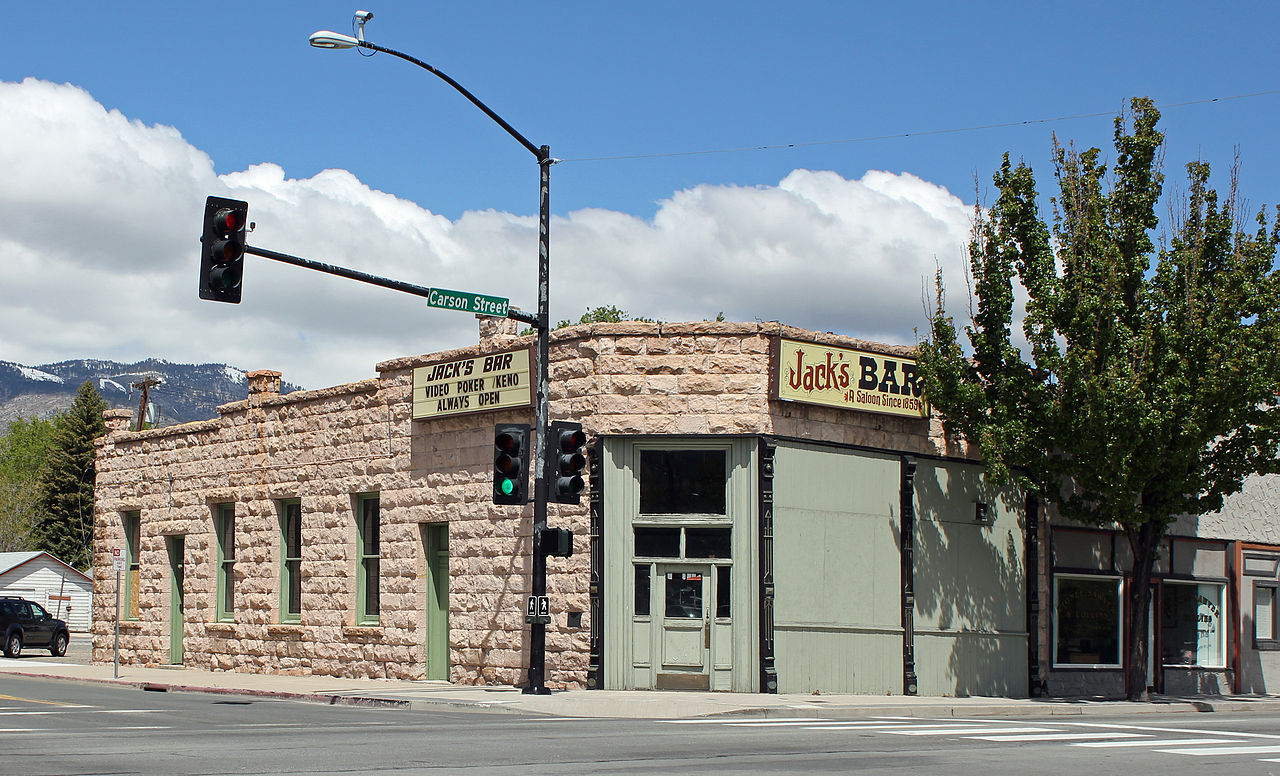
Architecturally, saloons often presented a prominent street frontage with large windows and a swinging front door. Inside, a long wooden bar with mirrored back shelving and brass rails was a focal point, backed by bottles, taps, and a cash drawer. Rooms might include tables, card rooms, a piano or organ, a raised performance area, and separate spaces for private business. Saloons sometimes provided simple meals and lodging or served as informal offices where deals were struck and information exchanged.
Entertainment, games, and services
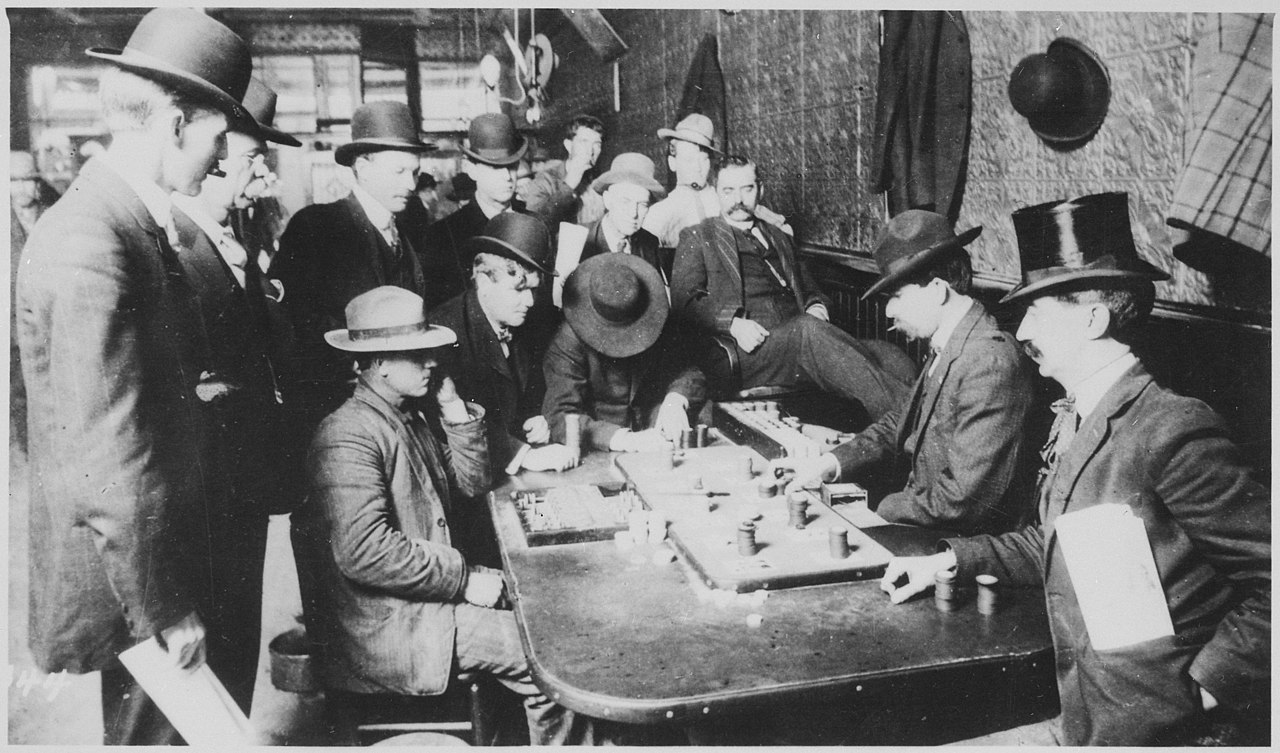
Gambling and live entertainment were central to the saloon experience. Common games included:
- Poker, faro, and brag
- Dice games and other chance contests
- Three-card monte, billiards, and table games
- Darts (darts) and informal bowling lanes (bowling) where space permitted
Entertainment could include piano players, can-can dancers, theatrical skits, and other performances. Some saloons employed women as entertainers or hostesses; in certain places, sexual services were offered or tolerated, reflecting the complex social and moral landscape of frontier communities.
History and development
Saloon culture emerged alongside westward expansion in the 19th century and became firmly established in mining towns, river ports, and military outposts. One early trading-post saloon has been associated with Brown's Hole, Wyoming, and the fur-trapping era of the early 1800s, though saloons evolved as permanent businesses as settlements grew. Proprietors ranged from local entrepreneurs to well-known figures of the era; for example, the lawman and businessman Wyatt Earp owned and operated several saloons in his lifetime. Over time, saloons influenced town planning, politics, and local economies, while also provoking reform movements and occasional legal crackdowns.
Cultural importance and distinctions
Saloons played a complicated social role: they were centers of leisure, networking, and commerce, but also sites of conflict, vice, and public debate. They appear prominently in literature, dime novels, and later popular film and television representations of the Old West, where certain features (the swinging doors, the piano, the card table) became iconic. Scholarly and popular accounts distinguish rough miners' or cowboys' saloons from the more genteel establishments in larger towns, and note regional differences tied to local industries and populations.
Legacy
Though the frontier era ended more than a century ago, the image of the Western saloon persists in modern culture and in recreated historical attractions. Museums, living-history sites, and themed bars draw on saloon architecture and entertainment to illustrate how these places shaped everyday life on the American frontier. For further reading or source materials, follow contemporary overviews and archival collections linked through curated references and local historical societies.
Brown's Hole history reference | Can-can and performance styles | Gambling practices | Pub games
Related articles
Author
AlegsaOnline.com Western saloon: social hub of the American Old West Leandro Alegsa
URL: https://en.alegsaonline.com/art/107537
Sources
- legendsofamerica.com : "Saloons of the American West"