
Western Christianity: Overview, Branches, History and Distinctive Features
Western Christianity comprises the Latin-rite Christian traditions that developed in Western Europe and their global descendants, primarily including Roman Catholicism, Protestantism, and related Western churches.
Western Christianity refers to the family of Christian traditions that originated in Western Europe and subsequently spread worldwide. It is one of the major cultural and religious branches of the broader Christian tradition. Historically shaped by Latin-language liturgy, Roman legal and institutional models, and particular theological emphases, Western Christianity contrasts with Eastern Christian traditions while sharing core Christian beliefs such as the life, death and resurrection of Jesus.
Image gallery
7 Images

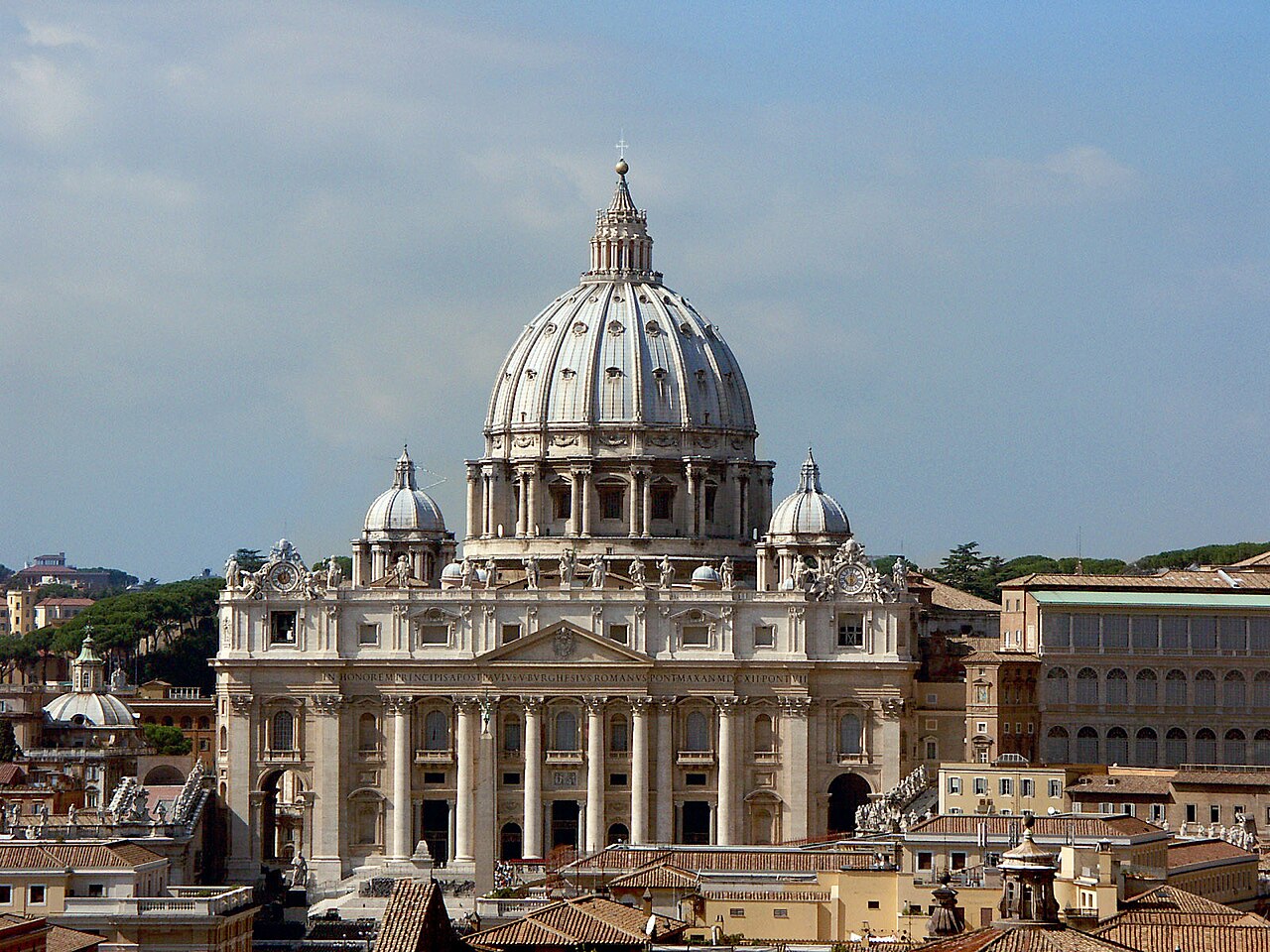
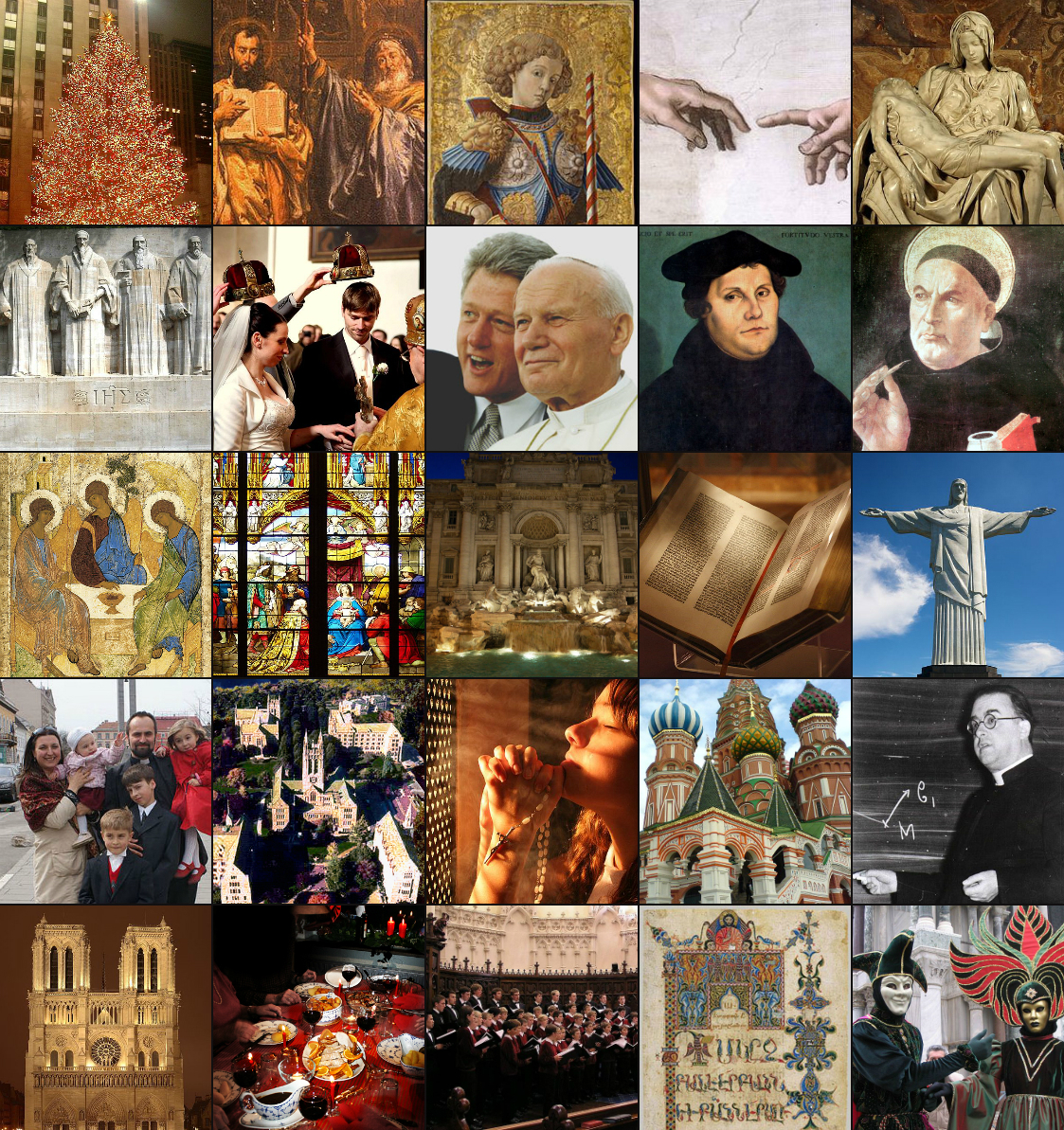
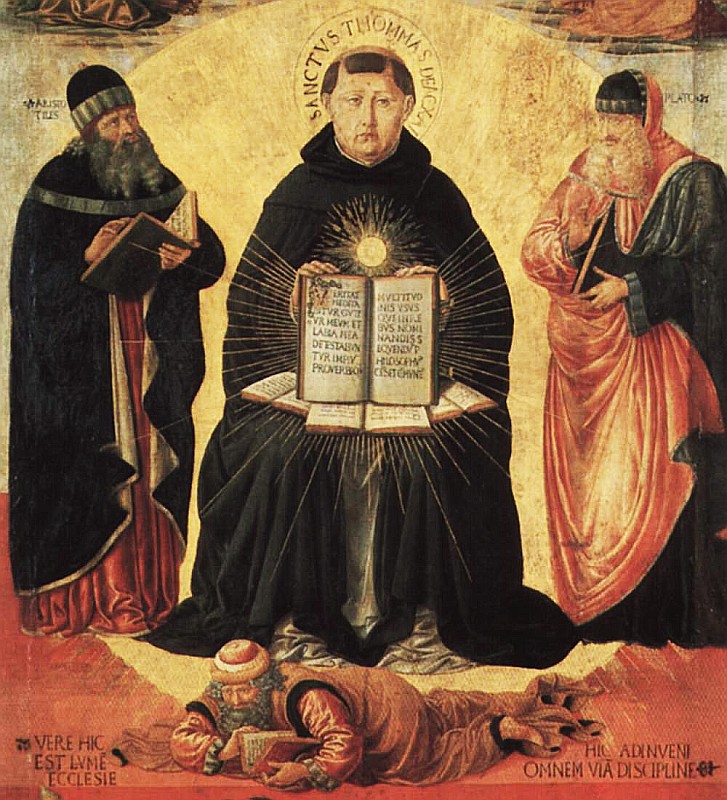


Core characteristics and main branches
Western Christianity is not a single church but an umbrella for several related traditions. The major branches include:
- Roman Catholicism — the largest single body within Western Christianity, historically centered on the bishop of Rome (the pope) and a sacramental system developed in the Latin West.
- Protestantism — a diverse group of churches and movements that emerged in the 16th century Reformation; Protestants emphasize the authority of Scripture and typically simplify liturgy and sacramental practice compared with Catholicism.
- Anglicanism — churches that originated in the Church of England and combine elements of Reformation theology with historic liturgy and episcopal order; sometimes positioned between Protestant and Catholic identities.
Historical development
The traditions of the Latin West developed over many centuries. Early Latin-speaking Christian communities in the Roman Empire formed the institutional and theological groundwork. Relations between Western and Eastern Christianity changed over time and are often said to have culminated in a formal division during the events known as the East–West or Great Schism, generally dated to 1054, which separated the Latin West from the Byzantine East. Centuries later, the Protestant Reformation in the 16th century brought profound theological and institutional change, producing new denominations and reshaping Western religious, cultural, and political life.
Beliefs, worship and practice
While there is considerable variety, Western traditions share several distinguishing features: use of Latin-derived theological language and legal concepts in their history, development of particular doctrinal formulations such as the role of the papacy in Catholicism, and liturgical forms that in many places evolved from Latin rites. Protestants, stemming from leaders who were once part of the Catholic Church, retain many central Christian doctrines but differ on issues such as authority (Scripture versus Church), the number and nature of sacraments, and ecclesiastical authority.
Geographic spread and contemporary significance
Originally rooted in Western Europe (Western Europe), these traditions are now global in reach through missionary movements, colonization, and migration. They are prominent in the Americas, much of sub-Saharan Africa, Australasia and parts of Asia. The Roman Catholic Church remains influential in many countries, while Protestant denominations vary from state churches to independent evangelical bodies. Each plays significant cultural, social and political roles in the regions where it is present.
Distinctions and relations with Eastern Christianity
Western Christianity differs from Eastern Christianity in liturgical language, certain theological formulations (for example debates over phrases in the Creed), and institutional structures. At the same time, both branches share foundational Christian claims and a long history of interaction. Ongoing dialogues seek to clarify differences and explore common ground, reflecting efforts to understand shared heritage while acknowledging distinct developments.
For further reading and reference material, consult overview resources and historical studies that address the Latin West, the Reformation, and the modern global presence of Western Christian traditions. Authoritative church sources and academic treatments can provide deeper doctrinal, liturgical, and institutional detail.
More on Christianity | Western Europe | Catholic Church overview | Protestant Reformation | Eastern Christianity
Related articles
Author
AlegsaOnline.com Western Christianity: Overview, Branches, History and Distinctive Features Leandro Alegsa
URL: https://en.alegsaonline.com/art/107498