
Qanat — traditional underground water channels
A qanat is a gently sloping underground channel with vertical access shafts that conveys groundwater by gravity to arid settlements for irrigation and drinking water.
A qanat is an engineered underground water-conveyance system that taps groundwater and brings it by gravity to the surface. Built as a series of linked tunnels and vertical access shafts, a qanat collects run-off or aquifer flow from higher ground and delivers a steady, year-round supply with minimal evaporation. Early descriptions compare the system to well-like holes connected by a sloping tunnel that emerges where water is needed.
Image gallery
10 Images
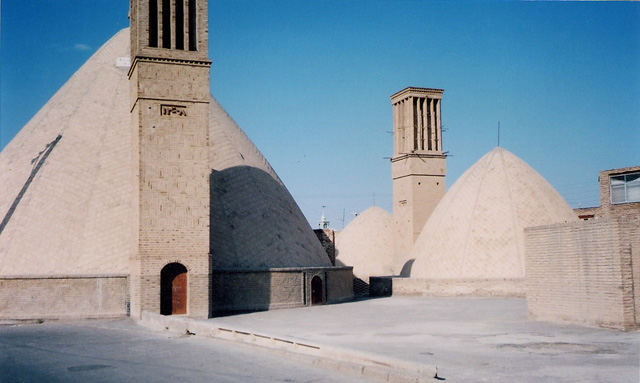


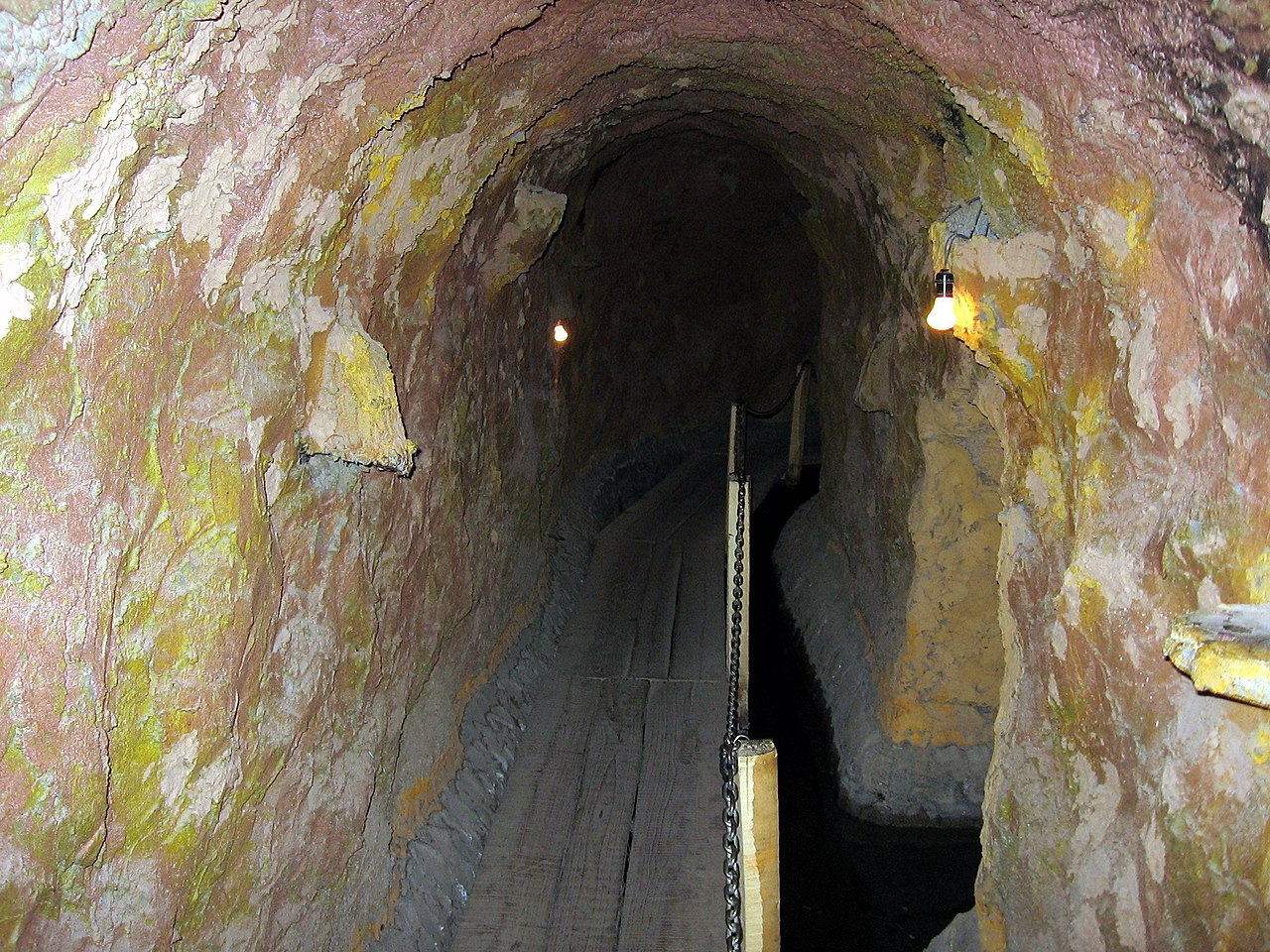


Structure and components
The typical qanat consists of a gently sloping mother tunnel, a source or gallery trench near an aquifer, and frequent vertical shafts that reach the surface. These vertical shafts provide ventilation, access for construction and maintenance, and a way to remove excavated material. The tunnel must be carefully graded so flow is by gravity rather than pumping; it commonly originates in higher, often mountainous, terrain where recharge is greatest and runs toward lower agricultural or settlement sites. In many areas qanats intercept mountain run-off or subsurface flow from foothills and plateaus, rather than surface rivers or springs (mountain source).
History and geographic reach
Qanats are ancient technology that developed in arid regions to make reliable water available. They are widely associated with the historic Iranian plateau but spread across dry parts of the Middle East, North Africa, Central Asia and into parts of the Iberian Peninsula and China. The earliest networks are believed to date back several millennia in the region now known as Iran, although similar systems arose independently elsewhere. Local names vary: foggara, aflaj or falaj are among the regional terms used for related systems.
Uses and importance
- Irrigation: supplying perennial water for crops and orchards in arid valleys.
- Domestic supply: providing potable water to towns and villages without mechanical pumping.
- Settlement support: enabling communities and caravan routes in otherwise inhospitable landscapes (desert regions).
Because qanats deliver water underground, evaporation losses are low and quality is often superior to exposed surface sources. They enabled long-term agriculture and the growth of towns in dry climates, shaped patterns of land use, and influenced social and legal arrangements around water sharing.
Modern status and notable facts
Many qanats remain in use, though some have fallen into disrepair as diesel and electric pumps, deep tubular wells and modern distribution networks changed water management. Maintenance is labor-intensive: shafts must be kept clear and tunnels repaired. Some historic qanat systems are recognized for their cultural and engineering value and are subjects of conservation efforts. Distinctions between qanats and similar systems (for example, the North African foggara or the Omani aflaj) reflect local construction methods, terminology and legal traditions rather than fundamental technical differences. For further reading, see local heritage resources and technical studies on groundwater-fed gravity systems (technical overview, hydrology, desert water management, regional studies, origins and archaeology).
Related articles
Author
AlegsaOnline.com Qanat — traditional underground water channels Leandro Alegsa
URL: https://en.alegsaonline.com/art/80287