
Wilderness: definition, ecology, history and conservation
Wilderness denotes areas where natural processes predominate and human development is minimal. This article covers definitions, ecological and cultural value, legal protection, threats, and approaches to conservation.
Overview
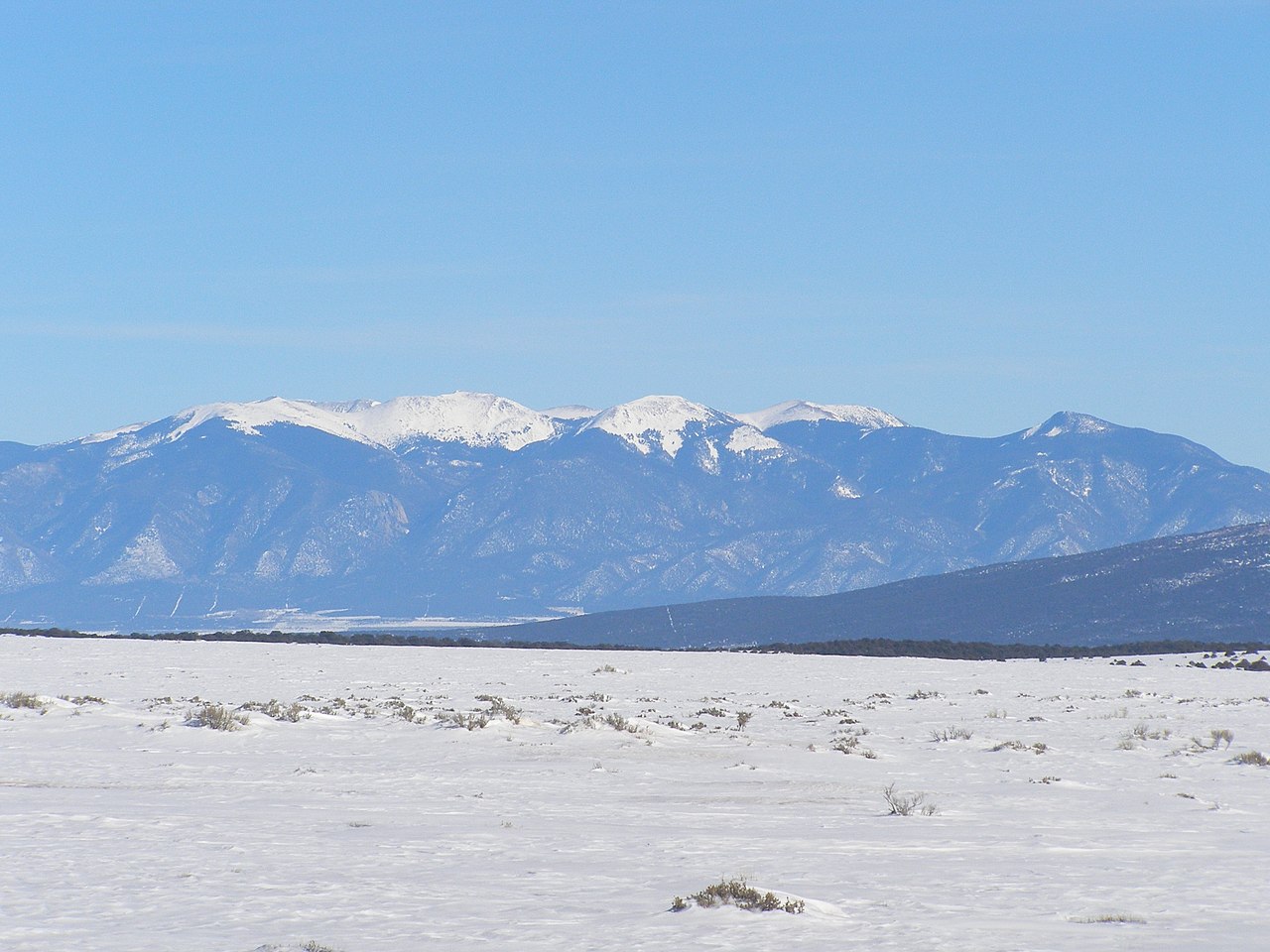
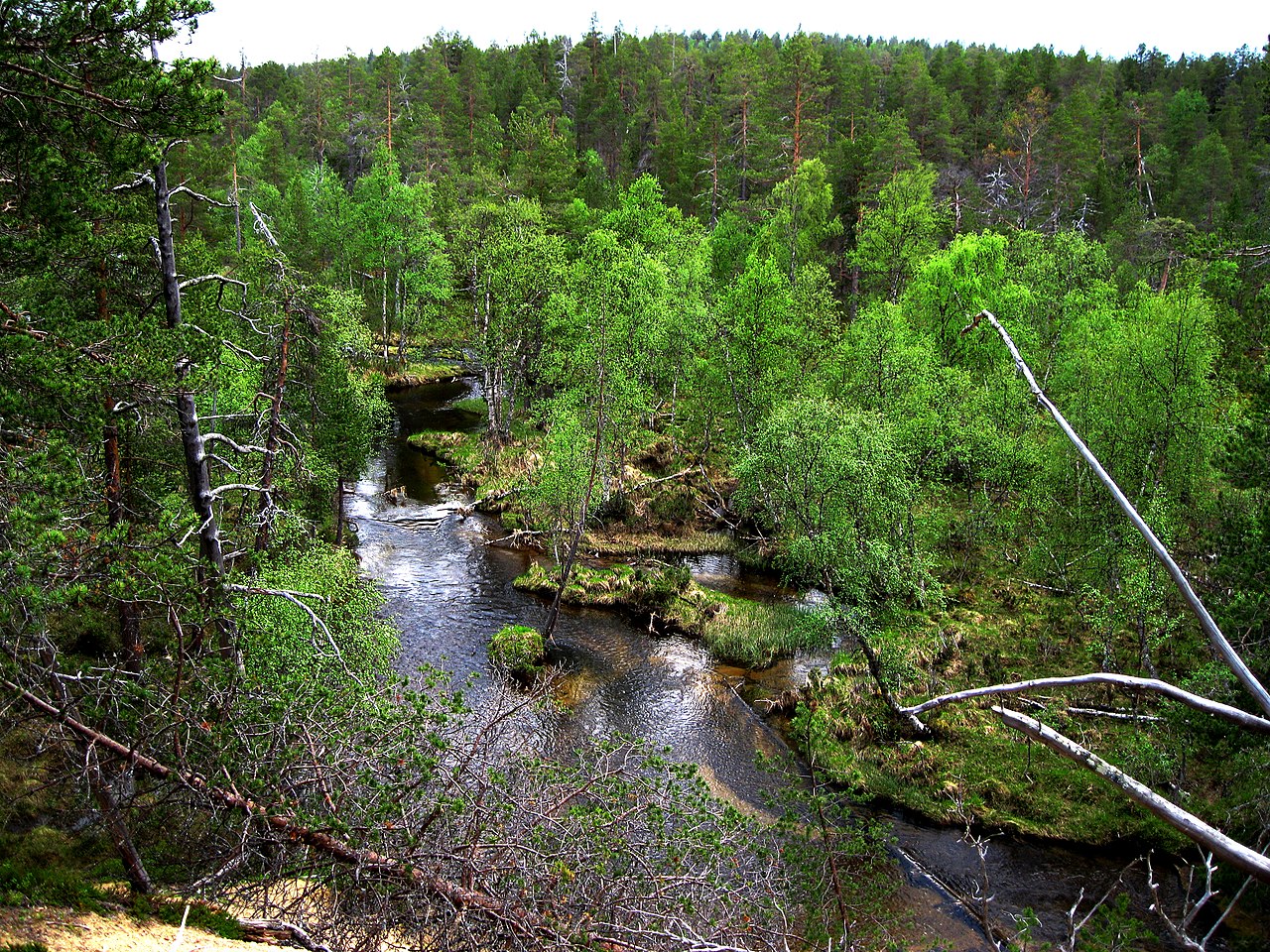
Wilderness generally describes landscapes and ecosystems in which natural processes prevail and human infrastructure or intensive management are absent or minimal. The term is used both in everyday language and as a formal category in conservation law and planning. In popular and scientific contexts, wilderness invokes the idea of relatively intact habitats where flora, fauna and ecological cycles operate with limited direct human control. Recognition of wilderness ranges from remote mountain ranges and large tracts of forest to smaller undeveloped islands of habitat such as wetlands, river corridors, or urban wildlands.
Image gallery
10 Images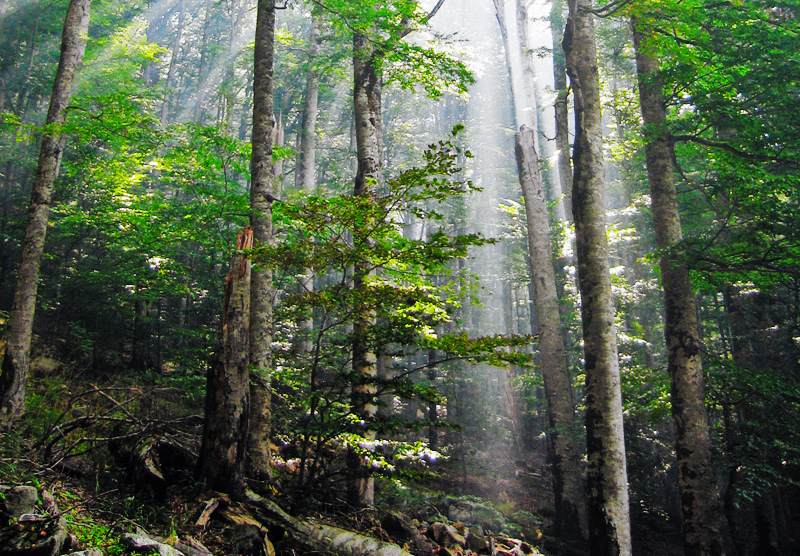




Key characteristics
Several features commonly distinguish wilderness from other types of land use. Wildlands are typically biologically diverse, support native species, and display ecological processes such as succession, predation and natural disturbance regimes (for example fire or flooding). Wilderness often lacks permanent roads, industrial infrastructure or intensive agriculture, although past human presence or indigenous stewardship does not automatically disqualify an area. Many definitions emphasize two practical dimensions: ecological integrity (biological intactness) and legal designation or protection that limits development.
History, cultural significance and definitions
The idea of wilderness has evolved across cultures and eras. For some societies wilderness has been associated with danger or emptiness, while for others it held spiritual, moral or cultural value. In the modern conservation movement, wilderness gained prominence as a distinct management category during the 20th century, leading to legal definitions in nations where lawmakers set aside land to remain undeveloped. International bodies and conservation organizations also classify and advocate for wilderness protection; categories such as strict nature reserves and designated wilderness areas reflect varying degrees of permitted human activity.
Ecological importance and human uses
Wilderness areas provide essential services: they conserve habitat for wild plants and animals, maintain genetic diversity, support migratory routes and watersheds, and preserve ecological processes that are difficult to replicate in managed settings. People value wild places for recreation, solitude, scientific research and cultural or spiritual renewal. Wilderness often serves as a reference system for understanding natural baselines, helping scientists assess human impacts elsewhere.
Protection, threats and management
Protection strategies for wilderness range from legal designation and protected-area networks to community stewardship and private conservation initiatives. Threats include land conversion, resource extraction, invasive species, altered fire regimes, fragmentation, and the long-range impacts of climate change. Even remote areas can be affected indirectly by global processes or by management actions on their margins. Effective conservation typically combines legal safeguards, ecological monitoring, restoration where needed, and recognition of traditional land uses consistent with ecological goals.
Distinctions and notable points
Not all undeveloped land is formally designated as wilderness, and different jurisdictions apply the term in varied ways. Some policy frameworks require strict limits on infrastructure and extractive activities, while others allow low-impact recreation. Indigenous peoples have long-lived relationships with many lands now described as wild; contemporary conservation increasingly acknowledges these cultural connections and the role of indigenous stewardship in maintaining ecosystem health.
Further resources
- Definition and scope
- Global context and mapping
- Human impacts and resilience
- Conservation strategies
- Ranching and land stewardship
- Urban wildlands and rivers
- Species protection
- Biodiversity importance
- Ecosystem processes
- Recreation and wilderness ethics
- Cultural and spiritual values
- Aesthetic considerations
- Genetic resources and conservation
- Flora conservation
- Fauna conservation
- Ex situ vs in situ conservation
- Wild plants in cultivation
- Laboratory research and ecology
- Natural processes and disturbance
- Indigenous connections
- Climate change effects
- Fire regimes and management
- Legal protection models
- Examples from Australia
- Examples from Canada
- Examples from New Zealand
- Examples from South Africa
- Examples from the United States
- New parks and initiatives
- Advocacy and legislation
Questions and answers
Q: What is wilderness?
A: Wilderness is a natural environment on Earth which has not been much disturbed by humans. It is typically characterized as an area that has not been developed with roads, pipelines or other industrial infrastructure and can be found in reserves, estates, farms, conservation areas, ranches, National Forests, National Parks and even in urban areas along rivers, gulches or any undeveloped areas.
Q: What are the benefits of wilderness?
A: Wilderness areas are important for the survival of species, biodiversity, ecology, conservation, solitude and recreation. They may also preserve historic genetic traits and provide habitat for wild flora and fauna that may be difficult to recreate in zoos or gardens. Additionally they are deeply valued for cultural spiritual moral and aesthetic reasons. Some nature writers believe wilderness areas are vital for the human spirit and creativity.
Q: Are there any places on earth completely untouched by humanity?
A: Probably no place on earth is completely untouched by humanity due to past occupation by indigenous people or through global processes such as climate change. Activities on the margins of specific wilderness areas such as fire suppression can also affect them.
Q: How do countries protect their wilderness?
A: Many nations have designated wilderness including Australia Canada New Zealand South Africa and the United States through legal protection from development activities. There are also organizations dedicated to preserving these wild places such as The WILD Foundation who advocate for legally protected biologically intact wildernesses at two levels - Ia (Strict Nature Preserves) and Ib (Wilderness Areas).
Q: What does it mean when an area is considered "wild"?
A: When an area is considered "wild" it means that natural processes operate without human interference although this does not necessarily disqualify an area from being "wild" if it has been inhabited or influenced by activities of people in some way.
Q: Who advocates for protecting these wild places?
A: Organizations like The WILD Foundation advocate for legally protected biologically intact wildernesses at two levels - Ia (Strict Nature Preserves) and Ib (Wilderness Areas). Dedicated individuals around the globe also work towards ensuring that these spaces remain preserved so that future generations can enjoy them too.
Related articles
Author
AlegsaOnline.com Wilderness: definition, ecology, history and conservation Leandro Alegsa
URL: https://en.alegsaonline.com/art/108084
Sources
- wild.org : "What is a Wilderness Area"
- wild.org : Wilderness Areas are Biologically Intact
- wild.org : Wilderness as a Protected Area Classification
- wildland-network.org.uk : "WHAT IS WILDLAND? - a review"
- wild.org : A Handbook on International Wilderness Law and Policy