
Water Tank — Storage Vessels for Domestic, Agricultural, and Industrial Use
Overview of water tanks: types, materials, history, typical uses, key components, and safety/maintenance considerations for storing and supplying water.
A water tank is any container designed to hold liquid water for later use. Whether small household cisterns or large municipal reservoirs, tanks serve as buffers between supply and demand. They may be above ground, buried, or elevated; an elevated example is the classic water tower. Tanks are found across contexts from homes and farms to factories and fire systems, and they play a central role in water management and emergency preparedness.
Image gallery
9 Images


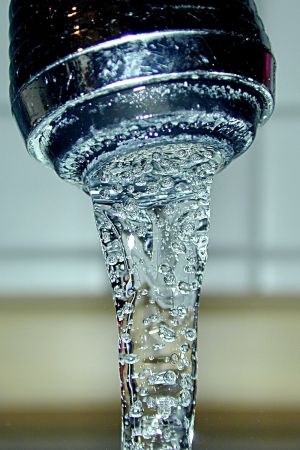
Common materials and construction
Manufacturers select materials for strength, cost, corrosion resistance and water quality. Typical choices include plastics and polymers, metal, concrete and traditional masonry. Modern options and historic examples include:
- Polyethylene and polypropylene rotationally molded tanks — lightweight and UV-stabilized for outdoor use.
- Fiberglass-reinforced tanks (fiberglass) — corrosion-resistant and suitable for industrial liquids.
- Civil works such as concrete and stone cisterns — durable and common where long service life is required.
- Steel vessels (steel), either welded or bolted, sometimes lined or stainless for potable applications.
- Small vernacular containers such as earthenware pots used historically in many regions for short-term storage.
Design features and components
Tanks include several standard features to make them functional and safe: inlet and outlet fittings, overflow outlets, vents and manways for inspection, internal baffles to limit sloshing, and linings or coatings to protect water quality. Systems may include pumps, level sensors and filtration or disinfection units for potable use. For rainwater harvesting, a tank is only one part of a system that typically includes gutters, first-flush diversion and screens to reduce debris.
History and development
The practice of storing water is ancient: early civilizations built communal cisterns and reservoirs to smooth seasonal supply. Over centuries, masonry and carved rock cisterns provided reliable household and agricultural water. In recent decades, the advent of molded plastics expanded lightweight, affordable options for domestic and rural storage; for example, high-density polyethylene tanks gained wide popularity from the late 20th century onward.
Uses and practical importance
Water tanks address many needs. Common applications include:
- Household drinking and cooking supply — municipal or private sources stored for reliability (drinking water).
- Irrigation and agricultural watering (irrigation and livestock).
- Fire protection systems — dedicated reserves for firefighting (fire suppression).
- Industrial process water and cooling, food preparation and chemical uses.
- Rainwater capture for gardens and nonpotable uses — gardeners commonly use tanks to collect rain runoff.
Maintenance, water quality and safety
Tanks reduce uncertainty in supply but require periodic upkeep. Risks include contamination from debris, algal growth, rodents or biofilm, and structural failure from corrosion or ground movement. Recommended practices include screening inlets, regular cleaning, roofed installations to limit light and pests, inspection of seals and fittings, and, when needed, treatment by filtration or chlorination. Proper design also manages overflow and prevents stagnation to protect stored water (water quality).
Variations and notable distinctions
Tanks are categorized by placement (aboveground, underground, elevated), by purpose (potable, nonpotable, fire reserve) and by material. Small portable tanks differ greatly from engineered municipal reservoirs in scale, regulation and construction. In many parts of the world, simple cisterns remain vital to communities; in industrial settings, engineered steel and concrete tanks meet demanding standards. The evolution from ancient cisterns to modern polymer tanks illustrates how changes in materials and manufacturing have broadened access to reliable water storage for both rural and urban users.
For further technical details, regulatory guidance and product specifications, consult relevant standards and manufacturers: see entries on storage design (storage container), historical water systems (civilization), household rain harvesting (garden uses) and material datasheets from suppliers.
Related articles
Author
AlegsaOnline.com Water Tank — Storage Vessels for Domestic, Agricultural, and Industrial Use Leandro Alegsa
URL: https://en.alegsaonline.com/art/106815
Sources
- watertanks.com : "A Condensed History of Corrugated Tanks"