
Water tower (structure, function and uses)
A water tower is an elevated reservoir that stores and distributes water using gravity. This article explains its design, components, history, common uses, variations and safety considerations.
A water tower is a raised tank or elevated structure that stores potable or service water and supplies pressure to a distribution network by gravity. Unlike pumps that must run continuously, a water tower provides a reserve of water and a relatively steady pressure without constant power. Towers appear in towns and industrial sites, often visible as a distinct landmark because of their height and tank shape.
Image gallery
10 Images


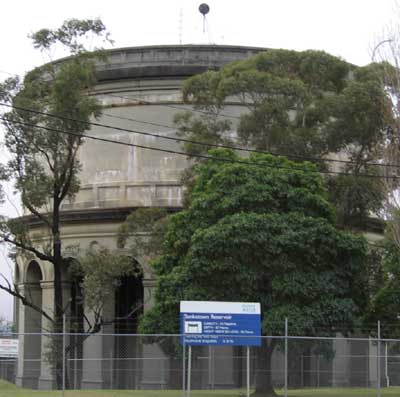


How it works
The basic principle is simple: water is pumped up into the elevated tank when demand and power are available, and when users open taps the stored water flows downhill through pipes, creating pressure. The height of the water surface above the service area determines the static pressure; taller towers produce higher pressure. This arrangement also provides a buffer for peak demand and emergency supply if pumps fail.
Main components
- Tank: the reservoir that holds the water; shapes include spheroid, cylindrical, or standpipe.
- Support structure: legs, shaft, or pedestal that raise the tank above ground level.
- Piping and valves: inlet and outlet pipes, overflow, and isolation valves that connect the tower to the water system.
- Pumps and controls: pumps fill the tower and instrumentation controls levels and alarms; routine operation links to local control systems and sometimes remote telemetry.
For more technical specifications or standards consult a general resource on construction and hydraulics: construction standards. For pump technologies used to fill towers see pump types.
History and development
Elevated water storage has been used for centuries in various forms, but modern water towers became common with municipal water systems in the 19th and early 20th centuries. Steel fabrication and advances in pumping made larger, higher tanks economical. In many communities the tower became both a utility and a civic symbol, sometimes painted with town names or logos.
Uses, benefits and examples
Water towers support municipal water delivery, firefighting reserves, industrial processes, and standby supply during power outages. Advantages include simpler pressure regulation, reduced energy use at peak times, and resiliency during pump failures. Examples range from small rural standpipes to large elevated tanks that hold millions of liters.
Variations, operation and safety
Tower designs vary by capacity, climate, and local topography. Standpipes, elevated tanks, and reservoir hills each serve similar roles. Regular inspection, maintenance, and disinfection control water quality; safety measures address structural integrity, ice formation in cold climates, and security of access points. For operational guides and emergency planning consult supplier or municipal resources: operations guide, maintenance resources, and emergency water supply advice at emergency planning.
Notable fact: because they rely on gravity, water towers can continue to supply local pressure for a period after electrical service is lost, making them an important part of community resilience.
Related articles
Author
AlegsaOnline.com Water tower (structure, function and uses) Leandro Alegsa
URL: https://en.alegsaonline.com/art/106818