
Polypropylene (PP)
Polypropylene is a versatile thermoplastic polymer used in packaging, textiles, automotive parts and more. It is lightweight, chemically resistant, and produced by polymerizing propylene using catalytic methods.
Overview
Polypropylene, commonly abbreviated PP and sometimes called polypropene, is a class of synthetic polymer used widely in consumer and industrial products. It is a thermoplastic material formed from the monomer propylene; as a plastic it can be molded, extruded, or spun into fibers and films. Polypropylene combines low density with good mechanical strength, making it a practical choice for many applications.
Image gallery
10 Images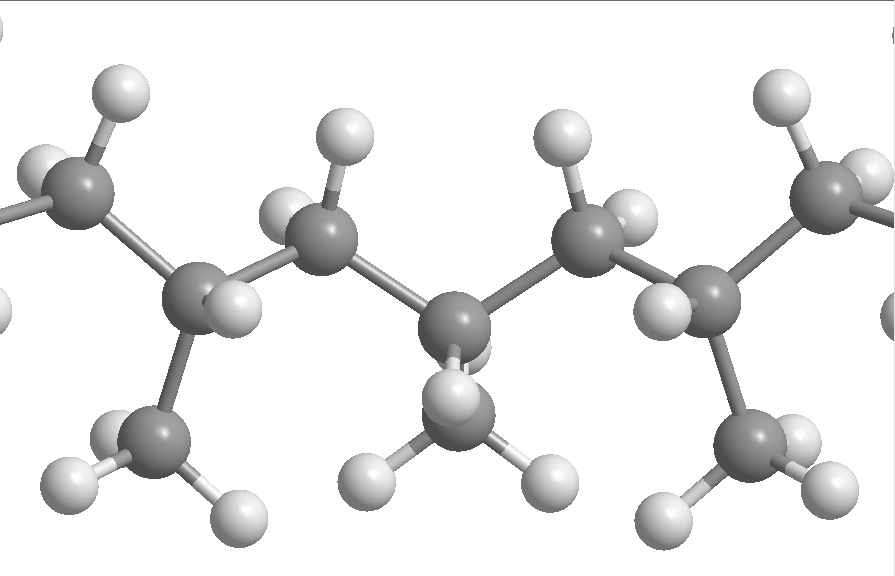




Structure and production
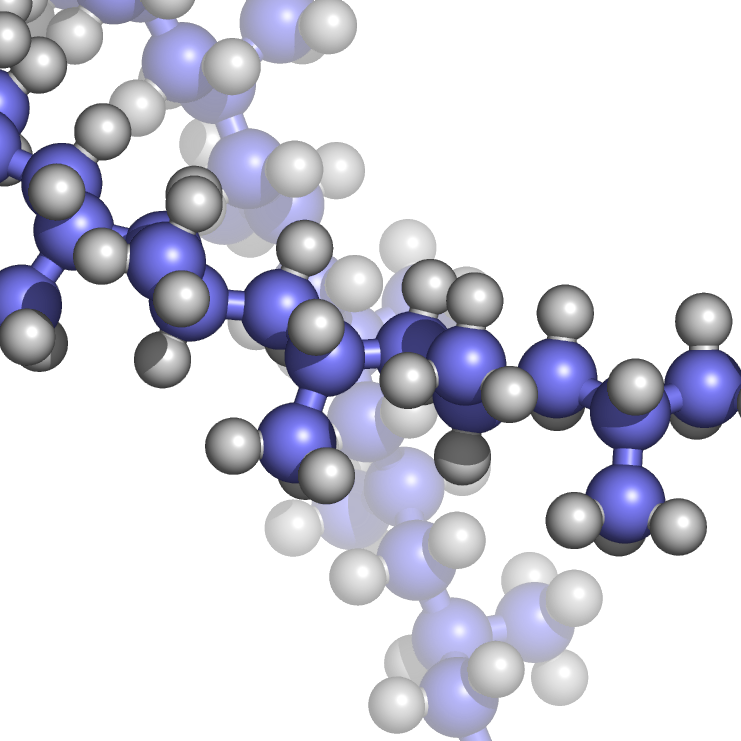
At the molecular level, polypropylene is a polyolefin made by linking propylene units into long chains. Control of tacticity (the stereochemical arrangement of side groups) affects crystallinity and properties. Industrial manufacture relies on catalytic polymerization techniques developed in the mid-20th century, most notably Ziegler–Natta and related catalysts, which enabled stereoregular grades with desirable mechanical behavior.
Physical and chemical properties
Polypropylene is semi-crystalline, typically has a density near 0.90 g/cm3, and melts in the neighborhood of 160–170 °C. It is resistant to many solvents and shows good chemical resistance to acids and bases, which contributes to its use in containers and piping. The material can be made translucent but is usually opaque and accepts a wide range of pigments.
Common uses
- Packaging: films, rigid containers, and caps.
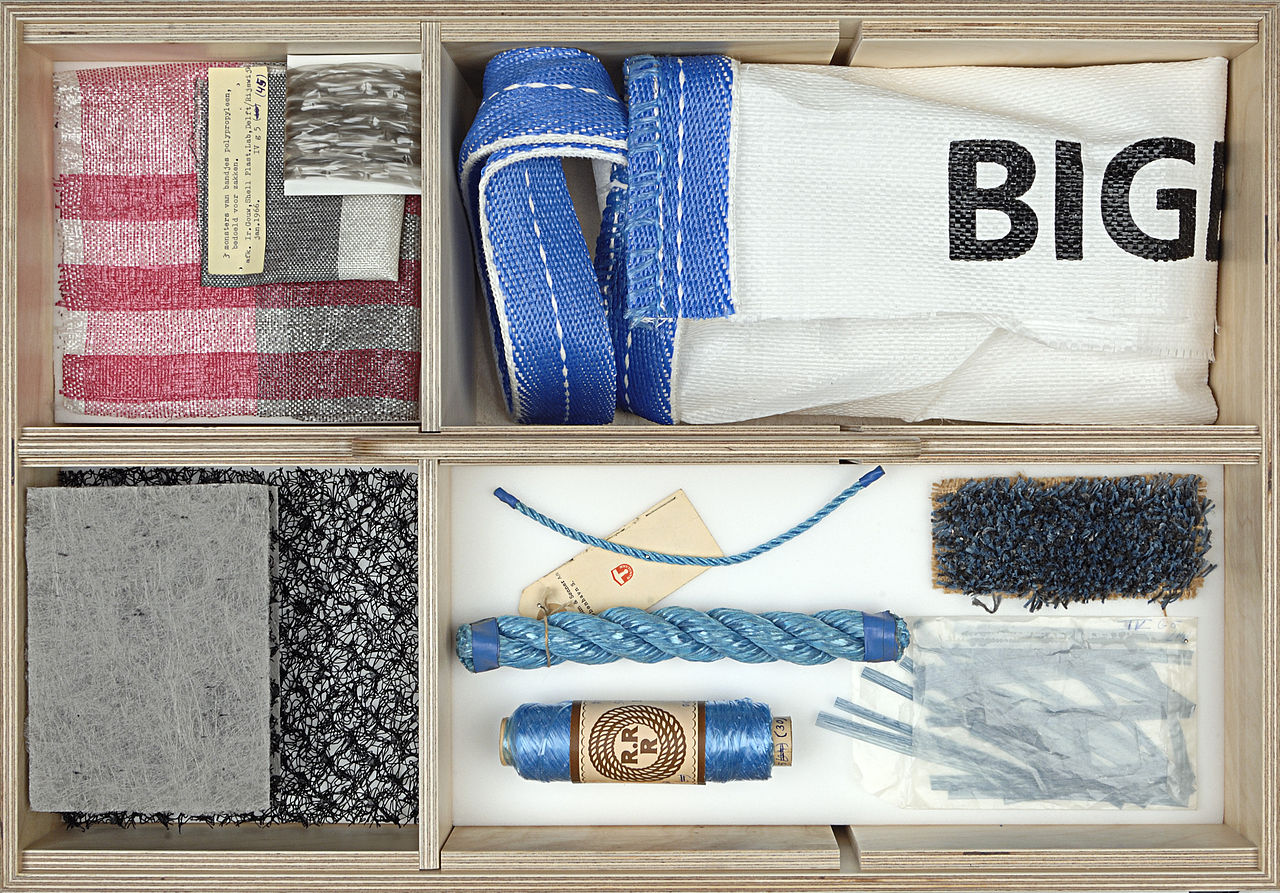
- Textiles: spun into a fibre for ropes, rugs, and nonwoven fabrics.
- Automotive: interior trims, battery cases, and bumpers.
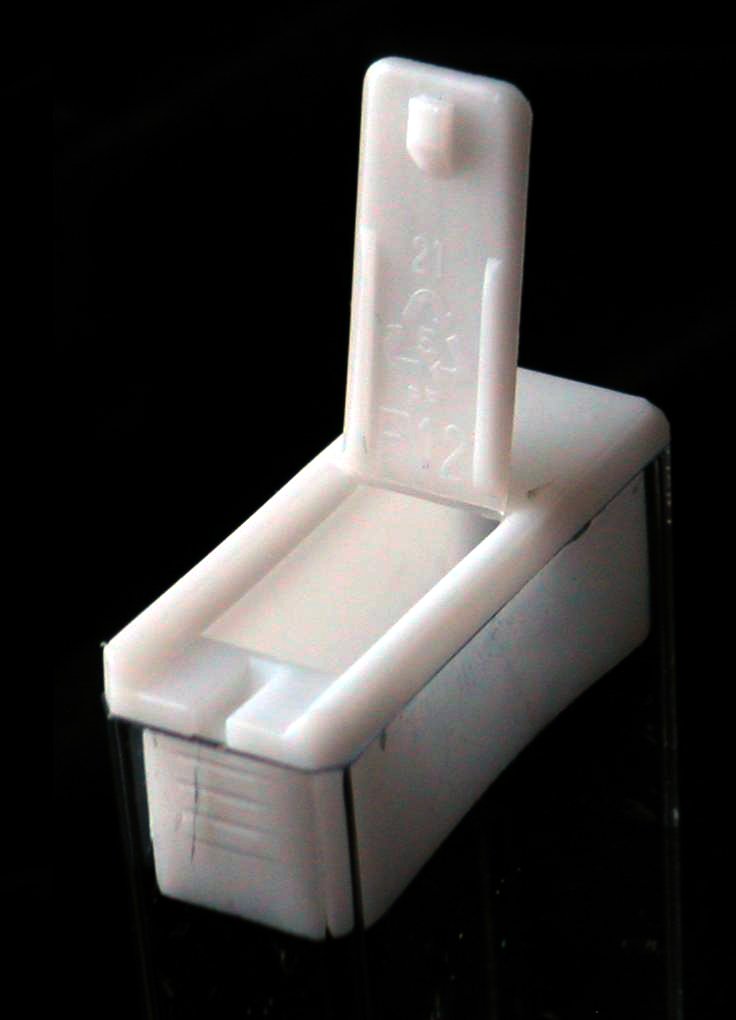
- Household and medical goods: reusable containers, syringes, and labware.
Its ability to be formed into strong threads also makes it useful for straps and webbings used on luggage and outdoor gear. Because of its low density, PP products are often lighter than comparable alternatives.
History, market and environmental notes
Commercial-scale polypropylene production expanded rapidly after catalytic technologies were introduced in the 1950s. By the early 21st century polypropylene had become one of the most widely produced plastics; for example, in 2008 global production was reported at tens of millions of tons with substantial economic turnover (market data). Polypropylene is recyclable and is commonly identified by resin code 5; recycling rates and infrastructure vary by region. It can be susceptible to degradation by prolonged UV exposure, so stabilizers are often added for outdoor applications.
Additional technical resources and safety information are available from polymer industry overviews and material databases (polymer references; chemical resistance guides; acid/base compatibility tables).
Related articles
Author
AlegsaOnline.com Polypropylene (PP) Leandro Alegsa
URL: https://en.alegsaonline.com/art/77880
Sources
- ceresana.com : "Market Study: Polypropylene"
- ceresana.com : Ceresana Research