
W. S. Gilbert: playwright, librettist and satirist
Overview of Sir William S. Gilbert (1836–1911), his style, major works with Arthur Sullivan, career highlights, influence on theatre and lasting legacy.
Overview
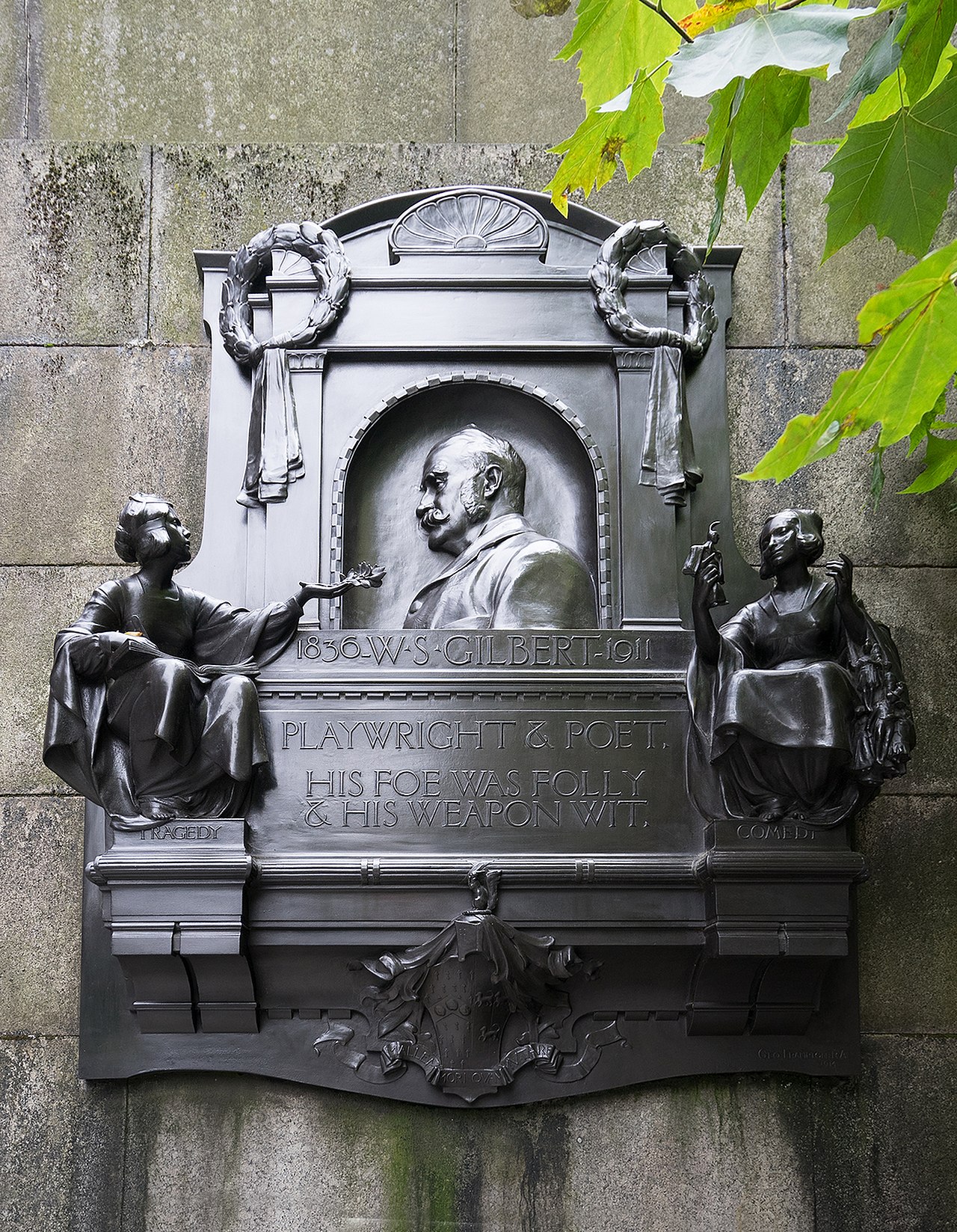
Sir William Schwenck Gilbert (18 November 1836 – 29 May 1911) was an English dramatist, poet, illustrator and librettist whose sharp wit and stagecraft helped define late‑Victorian comic opera. Best known for his long partnership with composer Sir Arthur Sullivan, Gilbert supplied the words and dramatic structure for a series of popular, satirical works that remain in the repertory more than a century after their first performances.
Image gallery
10 Images




Style and characteristics
Gilbert's writing combined precise rhyme, vivid comic situations and a taste for absurdity grounded in social observation. He favored topsy‑turvy premises—laws, institutions or social roles turned on their head—to expose hypocrisy and pretension. His dialogue often mimics ordinary speech and he insisted on a low, conversational delivery from actors rather than declamatory oratory. The result was a kind of farce that relied on verbal cleverness, tightly plotted misunderstandings and memorable lines rather than broad physical buffoonery.
Career and major works
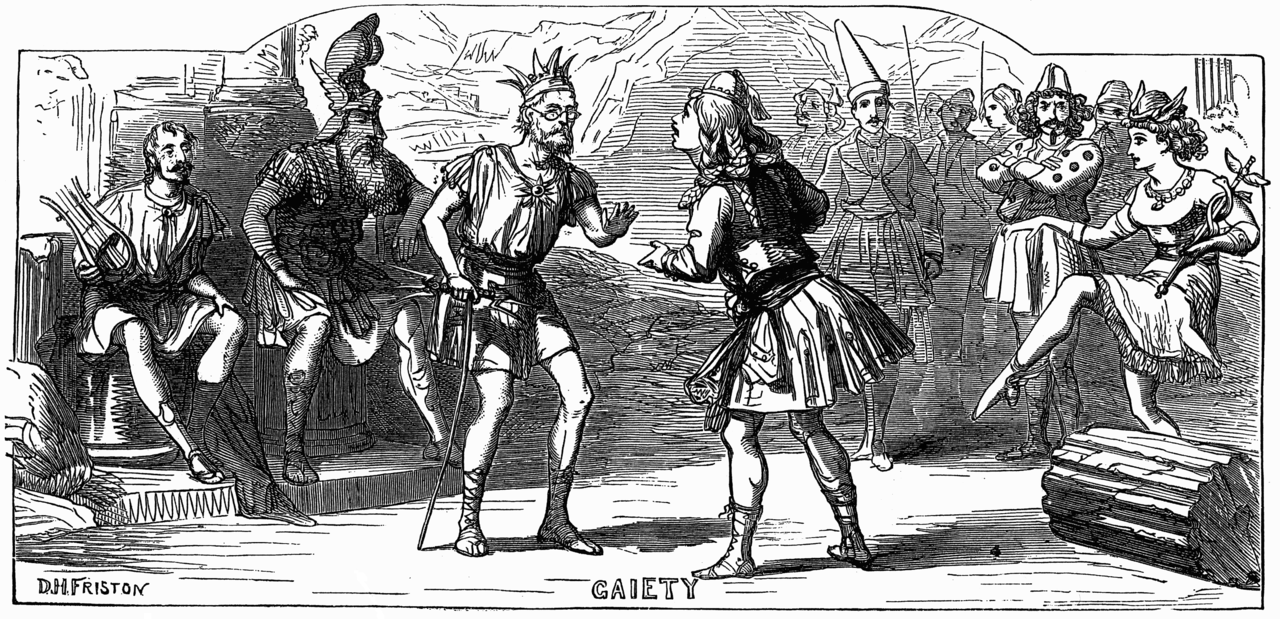
After brief service in the civil administration and a legal training that led to modest practice as a solicitor, Gilbert turned to writing for magazines and the stage. He produced comic verse collected as the Bab Ballads, short stories, satires and a steady output of plays. From 1871 he collaborated with Arthur Sullivan; Gilbert provided libretti and direction while Sullivan composed the music. Together they created a sequence of fourteen full‑length comic operas, among them H.M.S. Pinafore, The Pirates of Penzance and The Mikado, which brought them international fame and popularized English light opera.
Production approach and influence
Gilbert directed many of his own productions and was a forerunner of more realistic stage business: he expected actors to move and speak in ways that suggested genuine interaction, to use controlled gesture and to maintain precise timing in ensemble scenes. His emphasis on stage discipline and authorial control influenced contemporaries and later dramatists, including figures such as Oscar Wilde and George Bernard Shaw, who acknowledged the importance of clearer, character‑driven dialogue and satirical edge in modern theatre.
Later life, disputes and legacy
The Gilbert and Sullivan partnership was productive but sometimes contentious; disagreements over management and artistic control interrupted their collaboration at times in the 1880s and 1890s, though they produced many successes across two decades. When Sullivan died in 1900, Gilbert largely withdrew from writing new operas. Today Gilbert is remembered not only through regular revivals and amateur performances of the Savoy operas, but also for his contributions to the development of British musical theatre, comic plotting and stage direction.
Selected plays and operas
- Early comic plays and burlesques that established his reputation as a satirist.
- Engaged (1877) — a stage comedy that remains performed for its farcical critique of courtship conventions.
- With Arthur Sullivan: H.M.S. Pinafore, The Pirates of Penzance, The Mikado and eleven other collaborative operas.
Notable facts and resources
Gilbert used the pen name "Bab" for many illustrated verses; his illustrations and epigrams were an integral part of his early public persona. He combined literary skill with practical control of production, supervising casting, movement and timing to protect the integrity of his texts. For readers seeking primary sources, critical studies or archival materials, the list below points to a variety of entries and collections.
- Birth and family details
- Death and obituary notices
- Biographical overview
- Collected poems and verse
- Illustrations and Bab Ballads
- List of Gilbert and Sullivan operas
- Definition and context of operetta
- Arthur Sullivan biography
- Civil service background
- Legal training and career
- Solicitor's practice and later choices
- Short stories and magazine pieces
- Victorian periodical publications
- Theatre criticism work
- Contemporary critical reception
- Drawings and stage sketches
- Origin of the nickname "Bab"
- Early dramatic parodies
- Parodic technique and targets
- Engaged and its themes
- The Gilbert and Sullivan partnership
- Global reception of the operas
- Influence on later playwrights
- Connections with Oscar Wilde
- Connections with George Bernard Shaw
For performance groups and readers new to Gilbert's work, many of the comic operas are published in accessible editions and continue to be staged by professional and amateur companies worldwide. The combination of tight comic plotting, satirical voice and memorable characters secures Gilbert's place in the history of English theatre.
Related articles
Author
AlegsaOnline.com W. S. Gilbert: playwright, librettist and satirist Leandro Alegsa
URL: https://en.alegsaonline.com/art/106062