
1836
Overview of the year 1836: major political events, conflicts, scientific milestones and cultural developments that shaped the mid‑19th century world.
Overview
1836 was a year of intense political change and active expansion across the globe. It saw revolts and revolutions, the birth of short‑lived states, advances in technology and science, and events whose consequences reverberated through the rest of the 19th century. Industrialization continued to reshape economies and societies while colonial and settler conflicts intensified in North America.
Image gallery
10 Images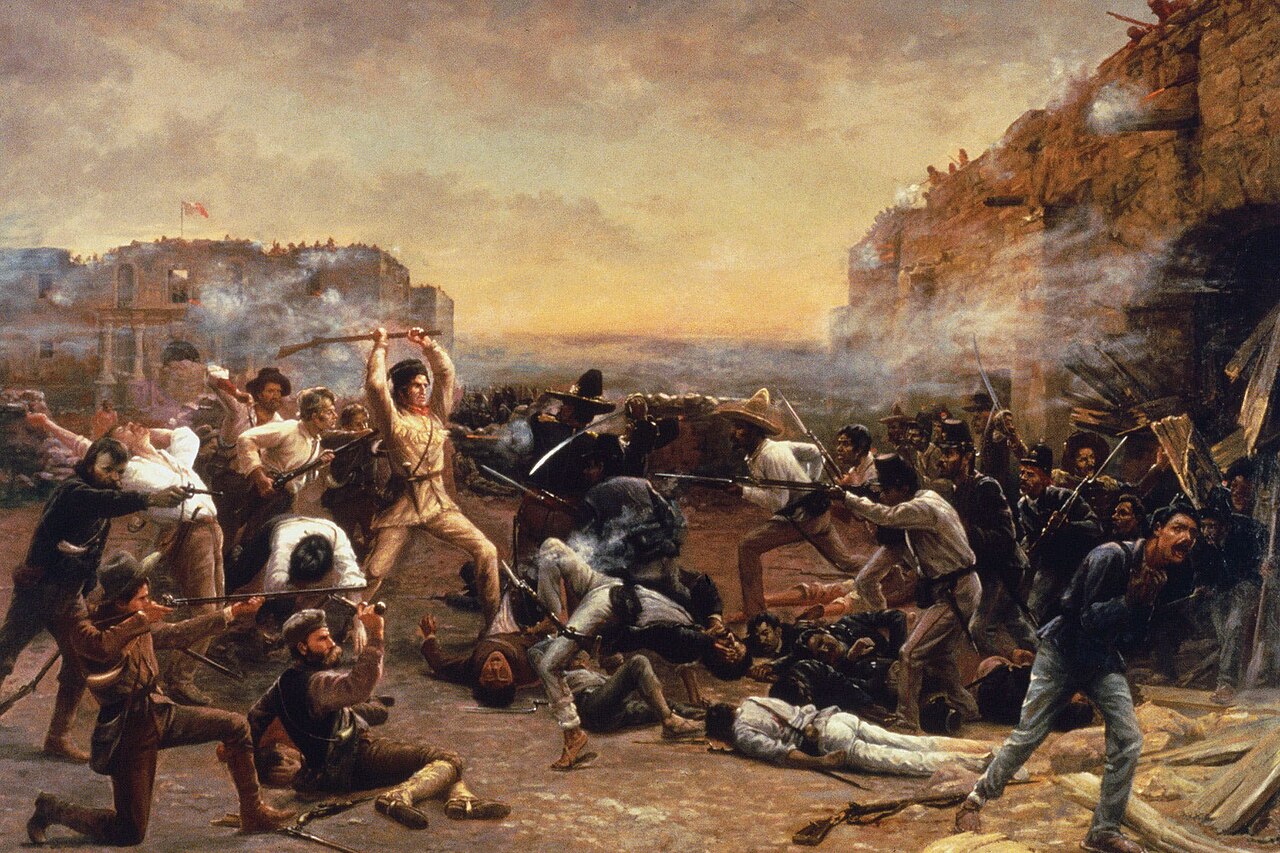




Major political and military events
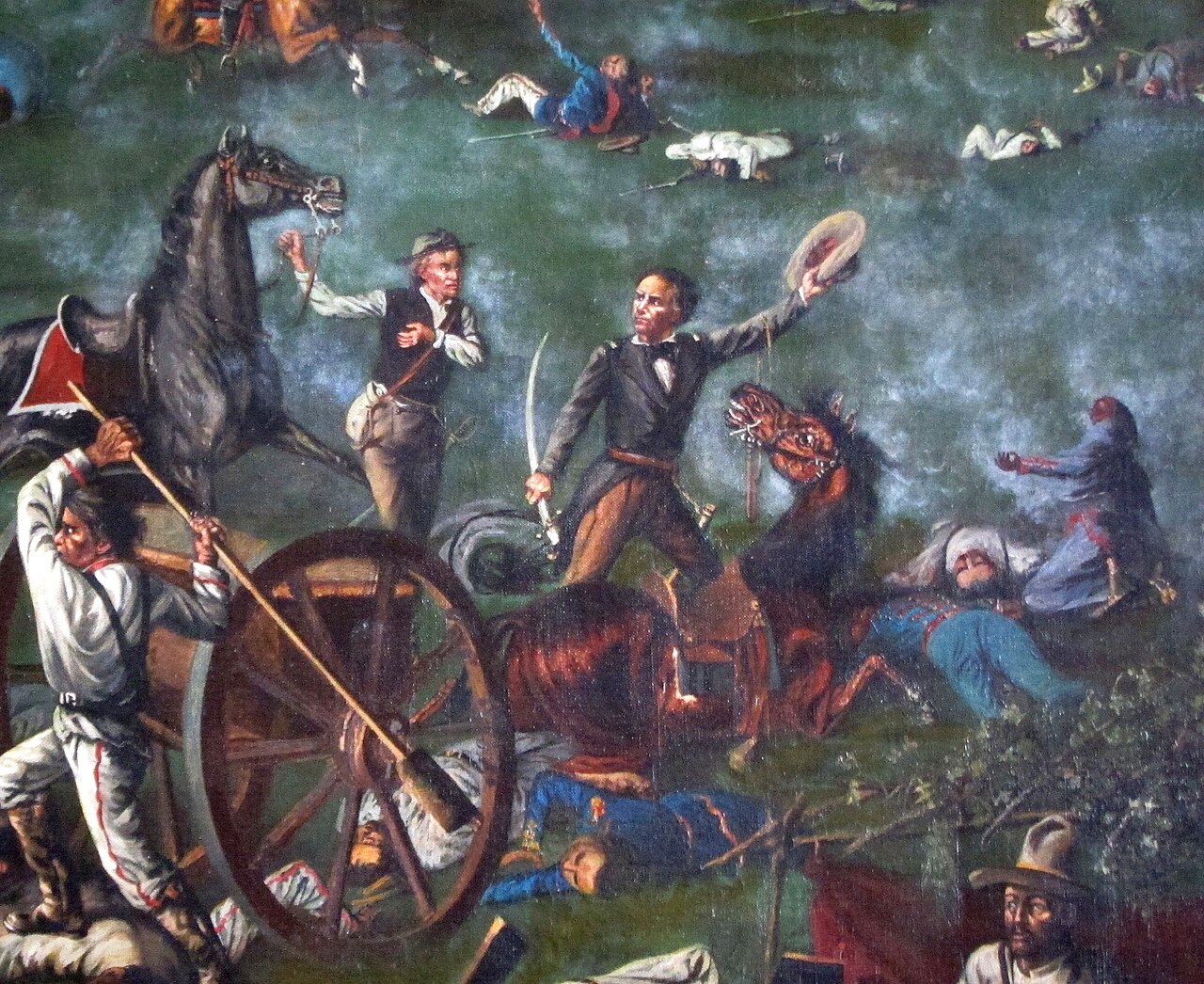
One of the defining series of events in 1836 was the Texas Revolution. Settlers in Mexican Texas declared independence on March 2, 1836. The campaign included the famous Siege of the Alamo (late February to March) and the Goliad executions in March, culminating in the decisive Battle of San Jacinto in April, which led to the surrender of Mexican forces and establishment of the Republic of Texas.
- Arkansas was admitted to the United States as the 25th state in mid‑1836.
- In the United States, Martin Van Buren won the presidential election in November, succeeding Andrew Jackson the following year.
- U.S. fiscal policy moved toward tighter regulation of specie for land purchases, measures that contributed to financial instability in the following year.
Science, technology and exploration
1836 witnessed important technological and scientific developments. Inventor Samuel Colt secured legal protection for his revolver design, helping to popularize interchangeable repeating firearms. Naturalist Charles Darwin returned to England late in 1836 after the voyage of HMS Beagle, bringing the specimens and observations that would inform his later work on evolution.
Culture, society and economy
Industrial growth continued to transform production, transport and urban life. In the United States and Europe, infrastructure projects and rail schemes expanded, and popular culture began to reflect the mobility and tensions of the era. Social movements and conflicts over land, sovereignty and slavery marked public life in many regions.
Notable facts and legacy
Events of 1836 had lasting effects: the creation of the Republic of Texas reconfigured North American geopolitics; financial policies and frontier land pressures foreshadowed economic crises and migration waves; and scientific returns from exploration enriched natural history and geology. Taken together, the year illustrates how local struggles and technological change acted together to shape modern states and societies.
Related articles
Author
AlegsaOnline.com 1836 Leandro Alegsa
URL: https://en.alegsaonline.com/art/111792