
Oscar Wilde
Irish playwright, poet and novelist known for sharp wit, The Picture of Dorian Gray, and his trials and imprisonment which shaped his later life and legacy.
Overview
Oscar Fingal O'Flahertie Wills Wilde (16 October 1854 – 30 November 1900) was an Irish author whose work across fiction, drama and poetry made him one of the most celebrated literary figures of the late Victorian era. He combined elegant epigram, theatrical skill and a fascination with beauty and paradox, and became associated with the Aesthetic movement and the Decadent tendencies of his time. Wilde's public persona—dandy, conversationalist and critic of social hypocrisy—was as notable as his writing.
Image gallery
10 Images

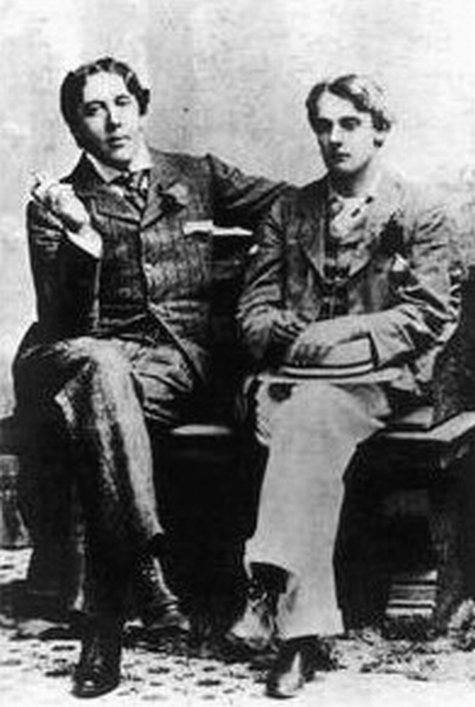


Life and education
Born in Dublin to a surgeon and a poet, Wilde was educated at Trinity College Dublin and at Magdalen College, Oxford, where he won classical scholarships and developed an interest in art and literature. After moving to London he established himself as a lecturer and writer, gaining early notice for his humour and for essays on aesthetics. He married Constance Lloyd and had two sons, but also maintained relationships with men, which later became central to his public downfall.
Major works and style
Wilde's output includes novels, plays, short stories and poetry. His only novel, The Picture of Dorian Gray, explores themes of art, moral duplicity and the consequences of hedonism. On stage he is best known for comedies of manners such as The Importance of Being Earnest, An Ideal Husband and Lady Windermere's Fan, works that expose social pretension through witty dialogue and precise plotting. He also wrote the symbolist drama Salomé and produced numerous essays and epigrams still frequently quoted.
Trial, imprisonment and exile
Wilde's career ended after a series of legal actions beginning with a dispute involving the Marquess of Queensberry and a relationship with Lord Alfred Douglas. After a failed libel suit he was prosecuted and convicted for acts then classified as "gross indecency." Sentenced to two years' hard labour, Wilde's imprisonment had profound effects on his health and reputation. After release he lived in exile in France under the name Sebastian Melmoth and produced fewer works before his death in Paris in 1900.
Legacy and notable facts
Wilde's influence extends beyond individual works: he shaped modern views on the role of the artist, popularized witty aphorism as a literary device, and became a symbol of the conflict between private life and public morality. He is often discussed in studies of sexuality, law and literature. For introductions and further reading see biographies and collections of his plays and essays: a general notice can be found through an Irish writer resource, while dedicated pages exist for his poetry, plays and criticism. Additional commentary and archival materials are available from scholarly and public archives covering his plays and editions of his works of his comedies. For the influential novel see editions and analyses linked under Dorian Gray.
- Genres: novel, drama, essays, poetry.
- Movements: Aestheticism, Decadence.
- Important themes: art and morality, identity, social satire.
Wilde remains widely read and staged; his life story continues to prompt reflection on artistic freedom, social norms and the costs of public controversy.
Questions and answers
Q: Who was Oscar Wilde?
A: Oscar Fingal O'Flahertie Wills Wilde was an Irish writer, poet and playwright.
Q: Which famous works did Oscar Wilde write?
A: Oscar Wilde wrote The Picture of Dorian Gray, and the plays Salomé, The Importance of Being Earnest, An Ideal Husband, and Lady Windermere's Fan.
Q: Was Oscar Wilde married?
A: Yes, Oscar Wilde was married.
Q: Did Oscar Wilde have any children?
A: Yes, Oscar Wilde had two children.
Q: What was Oscar Wilde's downfall?
A: Oscar Wilde's downfall came as a result of his affair with a younger man, Lord Alfred Douglas.
Q: Was Oscar Wilde bisexual?
A: Yes, Oscar Wilde was bisexual.
Q: When was Oscar Wilde born and when did he pass away?
A: Oscar Wilde was born on October 16, 1854 and passed away on November 30, 1900.
Related articles
Author
AlegsaOnline.com Oscar Wilde Leandro Alegsa
URL: https://en.alegsaonline.com/art/73346
Sources
- law.umkc.edu : Transcript of Wilde's trial, published online by University of Missouri-Kansas City Law School
- oldbaileyonline.org : Oscar Fingal O'Fflahartie Wills Wilde, Alfred Taylor, Sexual Offences > sodomy, 22nd April 1895
- oldbaileyonline.org : Oscar Fingal O'Fflahartie Wills Wilde, Alfred Waterhouse Somerset Taylor, Sexual Offences > sodomy, 20th May 1895
- books.google.com : The Trials of Oscar Wilde