
Arthur Sullivan: Composer of Comic Opera and Sacred Music
Sir Arthur Sullivan (1842–1900) was an English composer best known for fourteen comic operas with W. S. Gilbert and for hymns, choral works and orchestral music that shaped Victorian musical life.
Overview
Sir Arthur Sullivan (13 May 1842 – 22 November 1900) was an English composer whose name is remembered today primarily for a string of highly successful comic operas. During his lifetime he was widely regarded as one of Britain's leading musicians, admired both for light stage works and for a substantial body of serious music. He worked across genres: operatic theatre, choral and orchestral pieces, songs and hymns.
Image gallery
10 Images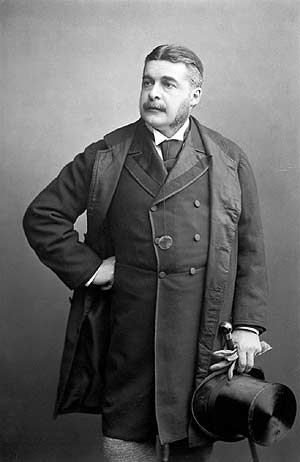


Partnership with W. S. Gilbert
Sullivan is best known for his creative partnership with the librettist and satirist W. S. Gilbert. Together they produced fourteen full-length comic operas between 1871 and 1896. The team is conventionally cited as "Gilbert and Sullivan", a pairing that became a cultural brand in Victorian and Edwardian Britain. Their collaborations combined Gilbert's witty, often topsy-turvy libretti with Sullivan's fluent, melodic scores. Though the two men had different temperaments and sometimes argued about artistic control, their joint work remained enormously popular and helped establish a distinct English operatic comic tradition.
Major stage works
The most frequently produced titles from the Sullivan–Gilbert catalogue continue to be enduring favourites in amateur and professional repertory. These include The Mikado, a satirical fantasy set in an imagined Japan; H.M.S. Pinafore, which lampoons naval and social hierarchies; and The Pirates of Penzance, known for its catchy tunes and patter songs. Each work blends memorable melodies, ensemble writing and comic characterization that still appeal to modern audiences.
Serious music and other compositions
Beyond the light operas, Sullivan composed a significant corpus of more serious pieces. He wrote a grand opera, several choral works, orchestral suites, incidental music, and numerous songs and hymns. Among these are the hymn-like anthem "Onward, Christian Soldiers" and the popular parlor song "The Lost Chord." Sullivan also attempted larger-scale dramatic composition—his grand opera Ivanhoe and other choral pieces reflect ambitions that extended beyond musical comedy, though these works are less often staged today than the Savoy operas.
Musical style and contributions
Sullivan's style combined facility with melody, clear orchestration and theatrical sense. He could write graceful lyrical numbers and brisk, rhythmically complex patter songs; he balanced satire with genuine musical craftsmanship. In his sacred and choral writing he adopted a more solemn, contrapuntal approach, showing versatility across forms. His ability to fuse polished musical technique with an instinct for stage timing was a major factor in the long-lived appeal of his theatrical scores.
Legacy and notable facts
- Sullivan's collaboration with Gilbert influenced the development of musical theatre and English operetta, helping bridge Victorian tastes and modern popular stage forms.
- While the comic operas remain frequently revived worldwide, Sullivan's larger-scale serious pieces are performed less often but continue to attract scholarly interest.
- Many of his songs and hymns entered popular and church use in Britain and abroad, securing his wider musical footprint beyond the theatre.
For readers who wish to learn more about Sullivan's life, works and the Gilbert partnership, consult biographies and collections that examine both the theatrical and the serious sides of his output. Further resources and archival materials are available through general music reference sites and specialist collections: works overview, biography, on Gilbert, Gilbert and Sullivan studies, and dedicated pages for individual operas such as The Mikado, H.M.S. Pinafore and The Pirates of Penzance.
Tags
Related articles
Author
AlegsaOnline.com Arthur Sullivan: Composer of Comic Opera and Sacred Music Leandro Alegsa
URL: https://en.alegsaonline.com/art/6320