
Władysław Reymont
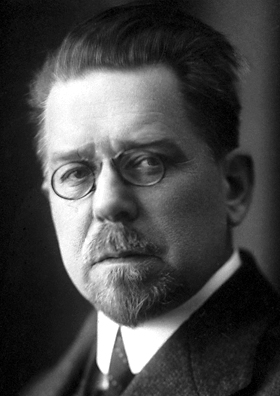
Polish novelist Władysław Reymont (1867–1925), Nobel laureate in 1924, best known for the four-volume rural epic Chłopi (The Peasants) and the industrial novel Ziemia obiecana (The Promised Land).
Overview
Władysław Reymont (1867–1925) was a leading Polish novelist whose work explored social change, rural life and the rise of industrial capitalism in partitioned Poland. He received international recognition when awarded the Nobel Prize in Literature in 1924 for his epic portrait of peasant life. Reymont's writing combines a documentary attention to everyday practices with vivid, often regional, language.
Image gallery
10 Images







Major works and themes
Reymont's two best-known books present contrasting but complementary views of Polish society. The four-part novel Chłopi (The Peasants) follows a village across the cycle of seasons and communal rituals, showing how custom, land and lineage shape people’s lives. Ziemia obiecana (The Promised Land) examines the industrial boom of a textile city and the ruthless competition among entrepreneurs, workers and middlemen. Together they address community, modernization and moral conflict.
Style and structure
Reymont favored realistic description enriched by local color: dialect, folk customs and the rhythms of rural labor feature prominently in his prose. Chłopi is structured to reflect the agricultural year, with each volume corresponding to a season; this seasonal frame reinforces themes of birth, work, harvest and decay. His urban narratives adopt a sharper, more satirical tone to depict factories, speculation and social mobility.
Reception and legacy
At home and abroad Reymont has been regarded as one of Poland’s most important turn-of-the-century novelists. The Nobel Prize drew broader attention to Polish literature and to Reymont’s attempt to render whole social worlds in fiction. His depiction of the countryside influenced later writers and translations and adaptations introduced his stories to new audiences; for example, Ziemia obiecana inspired a noted film adaptation directed by Andrzej Wajda in the 20th century.
Context and significance
Reymont wrote during a period of rapid economic and social change. By juxtaposing village life and industrial cities he offered readers a way to compare continuity and upheaval within Polish society. His commitment to portraying ordinary people—peasants, factory hands, merchants—made literature a vehicle for social observation as well as artistic expression. Researchers and readers consult biographies, critical studies and library editions to trace his influences and his place in European realism.
Further reading
- Biographical overview
- Selected works and translations
- Nobel Prize information
- Adaptations and film versions
For readers new to Reymont, starting with Chłopi provides an immersive sense of his narrative ambitions, while Ziemia obiecana offers a powerful counterpoint showing how industrial modernity reshaped Polish towns and lives.
Related articles
Author
AlegsaOnline.com Władysław Reymont Leandro Alegsa
URL: https://en.alegsaonline.com/art/106112