
Parody: Imitation, Exaggeration, and Social Commentary
Parody imitates and exaggerates an original work to ridicule, critique, or illuminate its style, assumptions, or social implications across media.
Parody is a form of creative expression that imitates the style, form, or content of an existing work in order to comment on, ridicule, or call attention to its features. Unlike a straight adaptation, parody intentionally exaggerates mannerisms, clichés, or conventions of the original so that the imitation becomes a vehicle for humor, critique, or reflection. Parody appears in many media — music, literature, film, visual arts and online content — and can range from affectionate homage to sharp satire. Art used as parody often draws on audience familiarity with the source to make its point.
Image gallery
6 Images


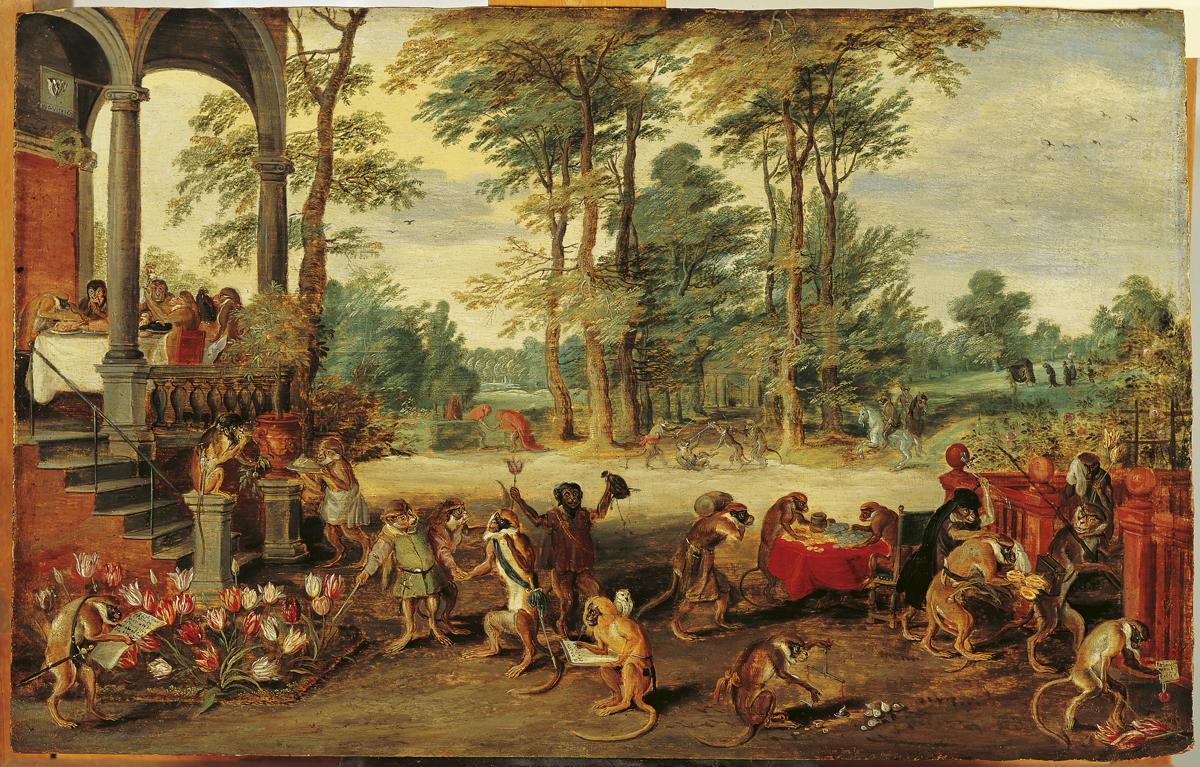


Characteristics and techniques
Parodies work by recognizably echoing the original while altering one or more elements to highlight absurdities, inconsistencies, or hidden assumptions. Common techniques include exaggeration, reversal, juxtaposition, pastiche, and literalization of clichés. A parody may imitate tone, plot devices, character types, visual style or musical motifs; it then magnifies or twists those elements until they reveal a comic or critical angle. For example, exaggerating a hero's competence or a genre's stock situations can make standard formulas look ridiculous. Creators often rely on intertextual references so that audiences spot the relationship between parody and source.
History and development
Imitation for comic or critical effect has a long history, from classical literary lampoons to medieval travesties. Modern parody flourished with mass media: nineteenth- and twentieth-century stage revues, comic songs, and later film and television provided platforms for sustained parodic work. Filmmakers and comedians used cinematic conventions to lampoon whole genres; musical parodists rewrote lyrics to popular tunes; and authors produced mock-epics and pastiches. With the growth of the internet, short-form and remix parodies proliferated, enabling rapid, distributed responses to popular culture and current events.
Uses, examples, and significance
Parody serves several purposes: entertainment, social critique, literary commentary, and political satire. It can expose a cultural bias, deflate pretension, or invite reconsideration of a dominant narrative. Notable examples span media: film comedies that spoof genre conventions, songs that rework familiar melodies for comic effect, and websites or columns that lampoon public discourse. Creators often walk a line between ridicule and tribute; some parodies are affectionate tributes that rely on deep knowledge of the original, while others use mockery to press a critical point.
Legal and ethical considerations
Because parody depends on another work, it raises questions about authorship, copyright and free expression. In many legal systems, parody can be defended as a form of commentary or criticism, but protections vary by jurisdiction and circumstance. Ethically, parodists must balance creativity with respect for context; effective parody usually relies on cultural literacy and an awareness of audience sensibilities.
Further examples and resources
- Exaggeration as a technique
- Parody and social commentary
- Parody's role in public debate
- Genre spoofing in film
- Film parodies and examples
- Directors associated with parody
- Notable satirical films
- Science fiction parodies
- Parodying blockbuster franchises
- Literary and film spoofs
- Online spoof sites
- Parody of reference works
- Musical parody
- Poetic parody
- Books and long-form parodies
Parody remains an important cultural practice because it both entertains and prompts reflection. When a parody succeeds, it not only amuses but also sharpens awareness of how narratives, styles, and institutions function. Whether lighthearted or acerbic, parody operates as a mirror that distorts purposefully so we can see the original more clearly.
Related articles
Author
AlegsaOnline.com Parody: Imitation, Exaggeration, and Social Commentary Leandro Alegsa
URL: https://en.alegsaonline.com/art/74790