
Drawing: techniques, materials, history, and everyday uses
Comprehensive overview of drawing: what it is, common media and techniques, a concise history, practical uses, and distinctions between styles and purposes.
Drawing is the practice of producing images and marks on a surface by applying pressure or pigment with a tool. At its simplest it is the creation of lines and marks that suggest shapes, textures, tone and space; these marks can create faithful depictions of the observable world or fully abstract compositions that express ideas and feelings. For examples and broad definitions see visual images and abstract work discussed at abstract drawing.
Image gallery
10 Images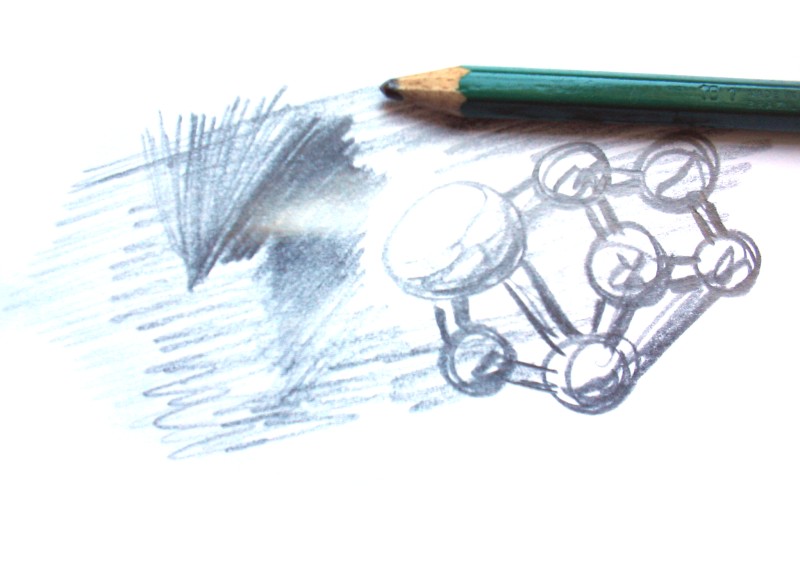




Materials and supports
Artists and designers use a wide range of media and surfaces. Dry media such as graphite pencils, pencils, charcoal and crayons produce tonal marks that can be blended or erased; softer materials give dark, velvety strokes while harder grades make precise lines. Chalk and pastels are valued for rich color and immediacy (chalk). Charcoal remains important for large expressive work and studies (charcoal), while wax crayons and colored pencils are used for both education and finished pieces (crayons). Wet media include ink applied with pen, brush or nibs for sharp line work and wash effects (pen and ink).
Common techniques and styles
Drawing techniques shape the way marks describe form and light. Artists use sketching and gesture drawing for quick studies of movement; contour drawing to capture edges; hatching, cross-hatching and stippling to render tone and texture; and shading or blending to create smooth transitions. Some approaches emphasize Analytic observation, others play with surface, composition and abstraction. Modern movements such as cubism reinterpreted line and plane, reducing forms to facets and alternative viewpoints.
History and development
Making marks to represent people, animals and symbols is ancient: prehistoric cave marks and petroglyphs show early human appetite for image-making. Over centuries drawing evolved as both a tool and an independent art form. In the Renaissance, artists used drawing for preparatory studies and to investigate anatomy, perspective and light. Through the 19th and 20th centuries, drawings moved between academic discipline and experimental media, leading to modern, abstract and conceptual practices. For a curious historical note, art competitions that included drawing were once part of the modern Olympic Games between 1912 and 1948.
Uses, examples, and distinctions
Drawing serves many roles: as a preparatory stage for painting or sculpture, as finished fine art, and as a method for communication—technical drawing, architectural plans and fashion sketches rely on precision and standardized conventions. Illustration, graphic design and comics combine line with narrative. In education and therapy, drawing supports visual thinking and expression. Distinctions are often made between representational drawing (depicting recognizable subjects) and abstract drawing (prioritizing form, line or concept over direct resemblance).
Practical considerations and learning
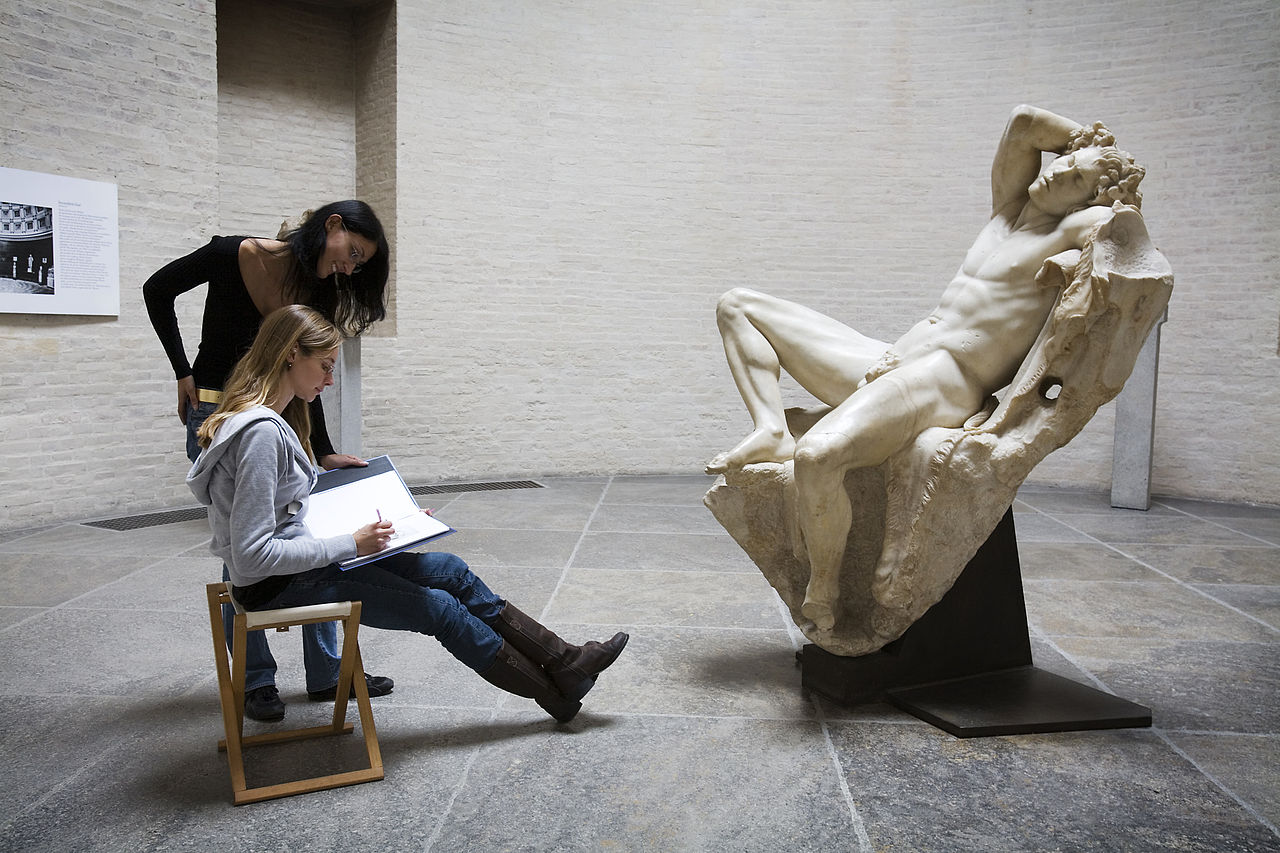
Beginners are advised to practice basic observation, learn to vary line weight, study value (light and dark), and experiment with different media and papers (paper and other supports). A simple exercise is to alternate quick gesture sketches with longer focused studies to build both fluency and control. Resources for techniques, exercises and historical surveys are widely available online and in print; many artists share demonstrations and lessons that show tools and step-by-step methods (resources, galleries, materials guides, chalk techniques, charcoal demonstrations, color pencil uses, ink methods, paper choices, modern styles).
Related articles
Author
AlegsaOnline.com Drawing: techniques, materials, history, and everyday uses Leandro Alegsa
URL: https://en.alegsaonline.com/art/28895